

- Greece Doesn’t Force You Into One Kind of Trip
- The Geography Naturally Supports Flexible Travel
- Greece Rewards Travelers Who Like to Linger
- Islands Offer Freedom Without Constant Pressure
- The Mainland Adds Depth, Variety, and Spontaneity
- It’s Easy to Shape Greece Around Personal Travel Priorities
- Food, Scenery, and Everyday Rhythm Make the Journey Feel Full
- Why Greece Feels More Rewarding Than Rushed
- Final Thoughts
Some countries seem to demand a plan before you even arrive. Greece is not one of them. It can be organized carefully, of course, but it does not punish travelers who want room to decide as they go. That is part of its appeal. You can come for beaches and end up caring just as much about a mountain village lunch, a harbor at dusk, or a quiet morning in a town you had not planned to love.
This is what makes Greece so well suited to self-paced travel. It gives you options without making the trip feel scattered. You can move around a lot or stay put for longer stretches. You can combine islands with the mainland or focus on one region and let the days unfold naturally. The country has enough beauty, food, history, and everyday charm to make even unplanned hours feel worthwhile.
Key Takeaways
- Greece doesn’t force you into one kind of trip
- Understanding how the geography naturally supports flexible travel
- Exploring the mainland adds depth, variety, and spontaneity
- Assessing why it’s easy to shape greece around personal travel priorities
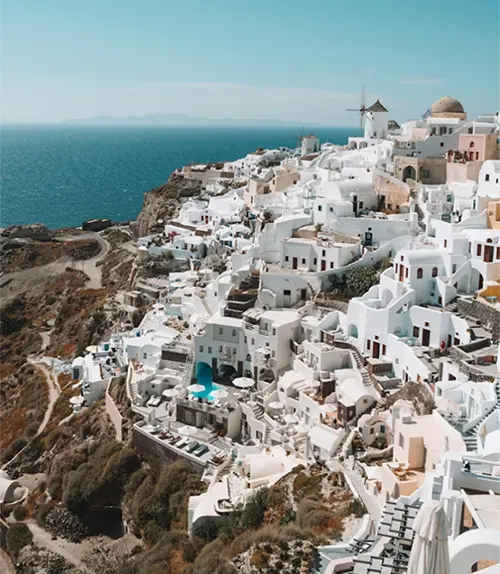
Greece Doesn’t Force You Into One Kind of Trip
One of Greece’s biggest strengths is that it does not insist on a single way of being enjoyed. It can be a seaside holiday, a cultural trip, a food-focused escape, a slow road journey, or a mix of all of them. You do not have to commit to one travel identity before you go.
That flexibility matters because many destinations are easier to understand than they are to experience. They come with a fixed image: city break, beach week, luxury retreat, backpacking route. Greece feels broader than that. A traveller can begin with one intention and shift naturally as the trip progresses. A few days on an island may lead to a sudden interest in inland towns. A history-focused itinerary may give way to long afternoons by the water and late dinners in small ports.
The country makes those shifts feel natural rather than disruptive. Instead of locking you into one mood, Greece lets the trip develop gradually.
The Geography Naturally Supports Flexible Travel
Greece is shaped in a way that makes those shifts feel like part of the pleasure.
There are distinct personalities, coastal towns with their own tempo, larger cities, mountain regions, olive groves, archaeological sites, and stretches of countryside that feel far removed from the country’s postcard version.
Because of that, travelers can build a route around contrast. A mainland journey can include beaches, ruins, and village stops without feeling forced. The structure of the country invites combinations rather than rigid categories.
Even short distances can bring a noticeable change in atmosphere. One place may feel lively and social, while the next feels quiet and local.
That constant shift keeps a trip interesting without making it exhausting. Greece gives travellers enough variation to stay curious, but not so much that the journey becomes difficult to manage.
Greece Rewards Travelers Who Like to Linger
Some places are best enjoyed by moving quickly through the highlights. Greece is rarely one of them. It tends to reward people who stay a little longer than planned, who sit down for one more coffee, who choose a second swim instead of another attraction.
There is something about the pace of daily life that encourages this. A view is allowed to remain just a view, without being turned into an activity. Town squares, harbours, terraces, and waterfronts all seem designed for staying rather than passing through.
That changes the quality of the trip. Instead of treating each stop like a task to complete, you begin to settle into it.
Islands Offer Freedom Without Constant Pressure
The Greek islands are one of the clearest examples of how the country supports a slower, more personal style of travel.
Each island has its own atmosphere, and that makes it easy to choose the kind of trip you actually want instead of the one you think you should be having.
Some islands feel lively and social, full of movement and late nights.
On the other hand, others are quieter, softer, and better suited to travelers who want sea views, small tavernas, and long unstructured days.
Even on the more popular islands, it is often possible to find quieter corners if you are willing to step slightly away from the busiest areas.
Island travel also has a built-in rhythm.
Ferries create pauses between places. Arrivals feel distinct. Departures have a sense of ceremony.
There is freedom in that structure. You are moving, but not in the way a rushed city-hopping itinerary moves. Greece lets island travel feel open without becoming chaotic.
The Mainland Adds Depth, Variety, and Spontaneity
For travelers who only picture islands when they think of Greece, the mainland can come as a surprise.
It adds a new dimension to the trip and often creates the most flexible kind of journey. There are :
- mountain villages
- historic towns
- lesser-known beaches
- roadside tavernas
- and stretches of countryside where the day can change direction for no particular reason except curiosity.
Many travelers discover that the mainland gives them more freedom to improvise, especially if they want to move beyond standard tourist circuits.
For some, that freedom may include renting a car in Greece to make those detours easier and to reach places that are less convenient by fixed schedules alone.
But even without building the trip around driving, the mainland still offers a sense of openness that works beautifully for travelers who do not want every day mapped out in detail.
It’s Easy to Shape Greece Around Personal Travel Priorities
Not everyone wants the same thing from a trip, and Greece handles that well. It brings you options.
One traveler may want ancient history and museums. Another may care more about beaches and seafood.
Someone else may want village life, scenic drives, and places that feel less polished.
As a result, Greece can hold all of that without feeling fragmented.
This makes planning less restrictive. A couple can combine different interests without feeling as though one person has to give up their idea of a good holiday. Solo travelers can follow their own rhythm without needing a complicated framework. Friends can build a trip around shared meals, good swimming spots, and a few memorable stops rather than constant compromise.
Greece does not ask you to travel in a single approved way. It allows you to choose what matters most and build around that.
Food, Scenery, and Everyday Rhythm Make the Journey Feel Full
A self-paced trip only works when the quieter parts of the day still feel satisfying.
Greece understands this better than many destinations. The journey feels full not only because of famous places, but because ordinary hours are pleasant in themselves.
Starting with a Breakfast on a terrace, a bakery stop in the morning, a swim before lunch, a simple meal in a village, an evening by the harbour, a drive with the sea in view, a table set under trees — these are not filler moments.
Food and scenery are woven into daily life so naturally that they support a slower style of travel without making it feel empty.
There is enough texture in the ordinary to make the trip feel complete. A well-chosen rental car website may help with logistics before arrival, but the real richness of Greece usually comes from what happens once the planning is no longer the center of attention.
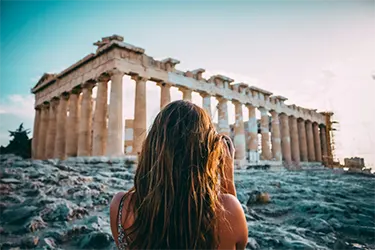
Why Greece Feels More Rewarding Than Rushed
Greece is not just about seeing famous places. It is about how those places fit into a day, how the sea changes your mood, how a meal stretches into evening, how one stop leads naturally to another.
This is an experience that city life often misses. Because when the pace is too fast, those details disappear.
Greece tends to offer its best side to travelers who let it breathe.
That does not mean doing nothing. It means leaving enough room for a day to become its own experience rather than just a route between must-see points.
Greece feels richer when it is lived in for a while, even briefly, rather than consumed at speed.
Final Thoughts
Greece suits self-paced travel because it gives people freedom without leaving them directionless.
The geography, islands, and even the mainland offer different moods, and its daily rhythm supports a more natural way of travelling.
In fact, the country has a way of making time feel fuller, not busier. And for travellers who prefer to explore at their own pace, that may be its greatest strength.
Is Greece good for first-time independent travelers?
Yes. Greece offers enough structure to feel manageable, but enough variety to keep the trip personal. It works well for travelers who want a mix of planning and flexibility.
Is it better to visit the islands or the mainland for a slower trip?
Both can work. The islands often create a gentler rhythm, while the mainland usually gives more room for detours and variety.
How many days do you need for a self-paced trip to Greece?
A week is a good start, but ten days to two weeks allows for a more relaxed mix of stops without feeling rushed.
Does Greece work for travelers who do not want a strict itinerary?
Very much so. It is one of the country’s main strengths. Greece can feel rewarding even when some of the best moments were not planned in advance.Can Greece be more than a beach destination?
Absolutely. Beaches are only one part of it. Greece also offers history, food, villages, mountain areas, harbors, and everyday local life that can shape the trip just as much.