
A summer pause from school can provide children with an opportunity to develop new interests and relationships in a relaxed setting. Personal growth can occur during times away from the classroom that may not take place during the busy school year.
There are a variety of programs to meet the needs of each family. Whether your child enjoys arts or athletics, every child has a viable path for developing into an active and happy person. Every experience creates a foundation for an active and happy life.
KEY TAKEAWAYS
- Camps enhance focus and academic success by enabling physical activity.
- It is important to teach children self-confidence by giving them the opportunity to make independent decisions at camp and learn to overcome obstacles independently.
- An environment in which shy children can develop their social skills through structured group interaction is an effective way to reduce anxiety.
- Choosing the right type of camp that reflects the energy levels of the child helps ensure that the experience will be positive for them.
Finding the Right Environment
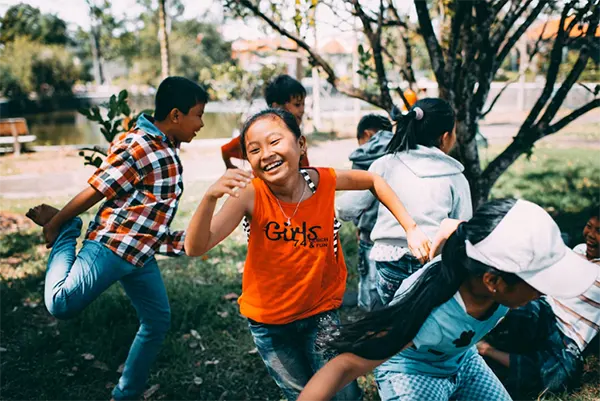
To select the right program for your child, you will need to look into what he or she enjoys most when not attending school. Some children enjoy a loud and exciting environment while others will prefer a quiet environment where they can take their time to create and think. The right environment can help create a positive experience.
Families often search for ways to keep children busy during the long months of the year. A specialized program from Campwing.com offers unique opportunities for growth and discovery. These settings allow kids to try things they cannot do at home or in a traditional classroom.
Finding a good match for your child, will make him or her feel safe and confident enough to try new things in a new environment. If your child is able to feel comfortable, he or she will have a much easier time participating in the activities and interacting with their mentors. When a child feels that he or she has a strong support system, he or she is more likely to step out of their comfort zone.
The Impact of Movement on Learning
Physical health is a huge part of the experience for many young participants who join these groups. Running around and playing games keep the body healthy and the mind sharp for future challenges. It is a great way to burn off energy while learning how to play as part of a team.
According to government education resources, physically active children tend to do better in school than children who are sedentary. This will help to improve both short-term results and long-term results as the child develops throughout his or her school career. Staying physically active will also help the brain to perform at its optimal capacity when it is time to study.
Regular exercise helps to eliminate stress and increase concentration and overall cognitive function, thereby allowing the brain to remain open to the retention of new information. By providing your child with an environment where he or she can be active, you will set them up for success in the classroom, which will ultimately create a positive attitude regarding their future classroom activities and school-related assignments.
After returning from an active experience, your child will feel rejuvenated and ready for his or her next significant classroom project.
Building Confidence and Independence
Stepping away from home helps kids learn how to rely on themselves in everyday situations. They make choices about their day and handle small challenges without a parent nearby to provide the answers.
A university’s creativity lab found that after every session, children demonstrate increased self-esteem and leadership abilities. They develop social confidence, as well as independence, through their structured interactions with their peers. Success in a brand-new context creates a level of ongoing pride within children.
Trying new things helps a child realize they are capable of success even when things seem difficult at first. This feeling of achievement carries over into their everyday life and their performance in schoolwork.
Managing Social Anxiety in Groups
Meeting new friends can be scary for some young people who are naturally shy. Group settings provide a safe and controlled place to practice talking and working with others. It is an opportunity to build social bridges in a low-pressure environment.
A mental health clinic study indicated that their staff observed a decrease in anxious behaviors in their clients’ children. As a result, after the completion of the program, the children developed greater social skills and demonstrated improved socialization with their peers. Learning how to navigate group dynamics increases the ability to ease fears of the unknown.
By developing these skills early on, children’s future social situations will be easier to navigate. Children learn how to introduce themselves to others and, therefore, find common interests with newly met individuals.
Exploring Different Interests
Not every program focuses on the same skills or hobbies for the participants. Some help with creative arts like painting, and others focus on building things or solving complex puzzles. There is something for every personality type and skill level.
- Team sports like soccer and basketball
- Creative writing and storytelling workshops
- Scientific experiments and nature study
- Outdoor survival skills and pathfinding
Variety keeps the experience fresh and exciting for kids who might get bored easily. They can try a bit of everything to see what they truly enjoy doing for fun.
Practical Skills for Life
Working together is a lifelong skill. Completing group projects may require open communication and an openness to other people’s ideas and experiences. Both being an excellent team player and being an exceptional leader is equally important at this stage of child development.
By providing children with opportunities to develop their problem-solving skills independently, they start developing self-sufficiency skills that will be essential to their success in all aspects of life as they enter high school. Children learn to think quickly and adapt to different situations.
Mentors provide the support needed throughout their growth process. Mentors guide children through tough times and help them come up with creative solutions to problems. Having a positive mentor who serves as a role model for the child enhances the learning process.
Making Lasting Connections
Friendships made during these weeks often turn into long-term bonds that last for years. Sharing a common goal or a fun memory creates a strong link between participants from different areas.
Expanding social networks has broadened children’s perspectives of the world. By meeting people from diverse cultures, children can gain an understanding of and appreciation for the numerous ways the world can be viewed.
The joy of reconnecting each year is a highlight for many families who value tradition. It creates a sense of belonging that kids look forward to every single season.
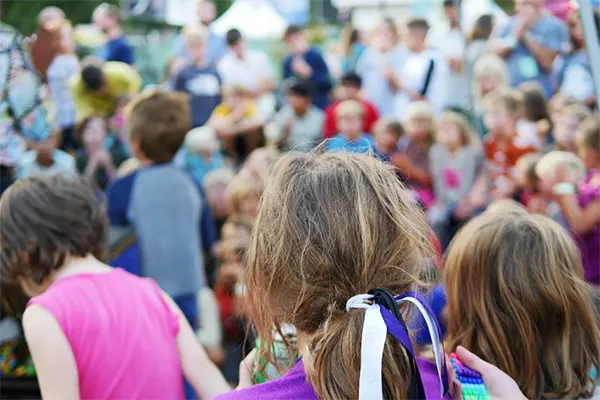
These upcoming programs provide benefits that extend beyond just the final day of the summer program. Children leave with more than just fun memories; rather, they possess new skills, and they feel more confident in themselves as a result.
These experiences will help them continue to grow into confident and active citizens in years to come. The experience of Learning through play will continue to produce successful futures for children.
Q1: When should my child go to camp?
Ans: Your child is ready for camp at age 5 or 8-10, depending on independence level.
Q2: How does camp help with school?
Ans: Camp helps develop executive functioning skills, which are necessary for success in the classroom.
Q3: Are introverted children safe at camp?
Ans: Yes, many camps specialize in helping introverted children integrate at their own pace with specialized counselors.
Q4: Can camp help with screen addiction?
Ans: Yes, camp provides a “digital detox,” allowing children to rediscover hobbies and socialization.