
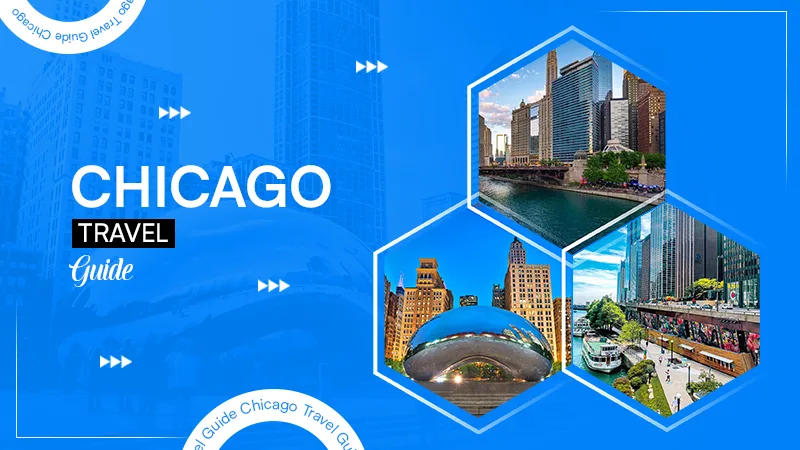
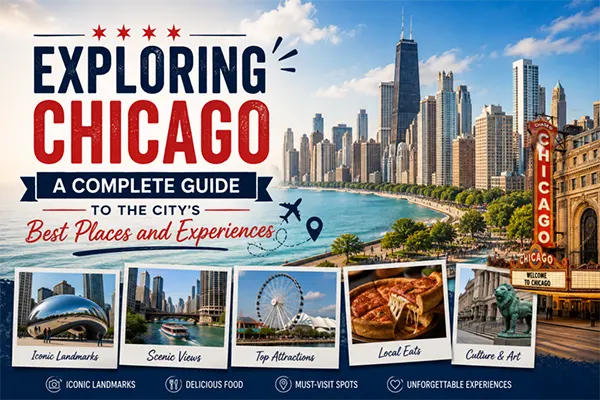
The first time I saw the Chicago skyline from across the water, I kind of just stood there for a minute. Tall buildings, a wide blue lake, and the part of the city that felt alive even on a weekday morning.
Chicago surprised me in a good way, like in that low-key way you do not expect. It is not just skyscrapers and cold winters; it is deep dish pizza, riverboat rides, and parks that stretch right along the water. Here is everything I kinda wish someone had told me before my first trip.
Must-Visit Attractions in Chicago
Start with Millennium Park, home to the famous silver Bean sculpture that people photograph from every angle, like all day long. From there, walk over to the Willis Tower and head up to the Skydeck if you do not mind heights. The glass ledge sticking out over the city is not for the faint-hearted, not even a little. Navy Pier is another easy stop, with a huge Ferris wheel and a calm walk straight along the water. If you only have one full day, these three places alone will give you a real feel for what makes Chicago special.
Food Experiences Every Traveler Should Try
Chicago takes food seriously, and honestly, you should too while you are there. Deep dish pizza is the obvious starting point: thick, cheesy, and worth the wait at the popular spots. After that, try a real Chicago-style hot dog and do not even think about asking for ketchup; the locals will notice fast.
Walking around different neighbourhoods for local food is really one of the best “understand the city” moves, and Chicago has pocket after pocket of amazing bites tucked into almost every corner. If you want something beyond the classic stuff, some newer restaurant places around town are worth checking out as well, since Chicago’s food scene keeps growing each year.
Outdoor Activities, River walks, and Lakefront Views
Chicago is one of those cities where being outside feels just as important as the buildings, and the views along the water make it hard not to slow down a bit.
The Chicago River walk is kind of a calm place to walk through in the evening, with cafes nearby and boats slipping by, giving a relaxing vibe. And if you want more of that green feeling, go over to Lincoln Park; it has a zoo, some gardens, and wide lawns right by the water. Really, some of the quietest minutes I had on the whole trip were just sitting close to the lake, letting the waves do their thing while the skyline sits in the background.
If the weather is decent, renting a bike along the lakefront trails is honestly one of the best ways to fill a few hours.
Museums, Art, and Cultural Stops in Chicago
Chicago has some of the strongest museums in the whole country. The Art Institute of Chicago is the obvious start, with a collection that can keep you occupied for ages if you are into art. The Field Museum works well for history and natural science fans, and kids usually like it a lot more than they expect.
If you want something more current, the Museum of Contemporary Art tends to have smaller crowds and exhibits that rotate often. Even if museums are not really your style, try at least one while you are here.
Travel Tips for Getting Around the City
Getting around Chicago is simpler than it first appears once you get the basics down.
The train network, called the L, links a lot of the main tourist zones and is usually the quickest option in daylight. If you are flying in, it helps to figure out Midway Airport transportation ahead of time, especially if you land late or are travelling with plenty of stuff. Personally, I like arranging things in advance with a reputable limo service provider, instead of standing around in a taxi line after a long flight. It removes stress- just one less thing. Also, keep in mind Chicago can get pricey depending on where you stay, so it is worth checking which neighbourhood matches your budget before you lock in a hotel.
Final Thoughts on Planning a Memorable Chicago Trip
Chicago feels like a place that gives back when you do a little planning, not when you try to iron every detail out. Choose a few must-see stops, keep space for really good food, and try at least one calm stroll near the water. Do not rush it; even a little pause helps, because the city is full of little moments that can turn into the actual highlights of your trip.
From soaking in the skyline and wandering last well known landmarks to stumbling into surrounding cafes, museums, and local food spots, there is always something new around the corner. The best Chicago trip is not necessarily the one with the longest schedule; it’s the one that leaves enough space to enjoy everything at your own rhythm.
1. What is Chicago best known for?
Chicago is probably best known for its really impressive architecture, a beautiful skyline, the Lake Michigan waterfront, deep-dish pizza, lots of museums, music that keeps going, and those vibrant neighborhood areas too, you know.
2. What are the best places to visit in Chicago
Some spots you should not miss are Millennium Park with Cloud Gate, Navy Pier, the Chicago River walk, the Art Institute of Chicago, and the Magnificent Mile. Kinda like the classic set, but also still worth it.
3. How many days are enough for a Chicago trip?
A 3- to 4-day trip feels right for me at least, since you can see Chicago’s major attractions without fully rushing, plus there’s time for food, some shopping, and relaxing near the lake.