
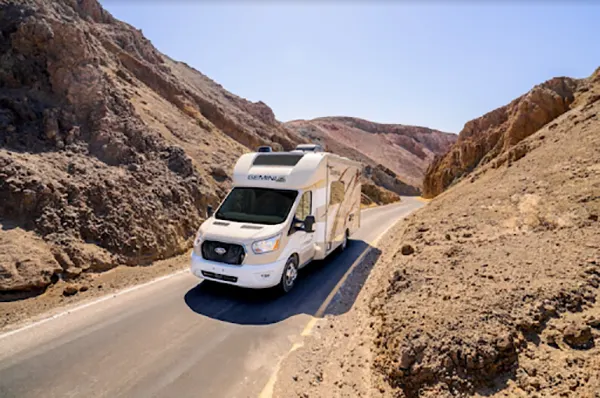
Buying a campervan to explore the world on your own four-wheeler feels exciting. You imagine waking up to morning sunrise and beautiful sunsets at places all across the world with your loved ones.
And to make sure this journey goes smoothly, choosing the right campervan becomes important.
When visiting a store or scrolling online, a huge number of options can be confusing, ultimately leading to the wrong choice of purchase.
To avoid that, read this article that will introduce you to the 7 mistakes buyers make while buying a campervan for the first time, so you can make the right choice!
Key Takeaways
- A right van choice provides comfort in all seasons and is realistic rather than just being a beautiful, dreamy layout.
- Learning through the number of payroll and regulations for making the right choice of vans
- Analysing the paperwork to ensure you and your loved ones stay safe and secure.
- Going by the practicalities of buying a van, comparing storage, power, seasons and a lot more than just designs and looks.
- Your go-to plan for buying your first campervan
Choosing a Van That Doesn’t Match How You Actually Travel
The right choice of a van is not just a van that matches you in your adventurous spirits, but it is also one where you feel comfortable.
Whether camping in wildlife or a city park, on a sunny day or a rainy night.
What stays with you in all circumstances is what you should choose for camping.
While camping reflects reality, showrooms sell the dream layout. Read on to know the mistakes you need to avoid while purchasing your van in a showroom.
Mistake 1: Buying the “Dream Layout” Instead of the “Real-Life Layout”
Showroom logic is seductive: that swivel seat looks genius, that compact kitchen seems “good enough,” and surely you’ll be fine with a portable toilet because you’re “not fussy.”
Then you do your first rainy weekend and realise you can’t cook without elbowing your partner, or that the bed setup takes ten minutes of nightly faff.
Before you view anything, answer a few unglamorous questions: Are you mostly doing weekend trips or month-long tours? Cooking every night or eating out? Wild camping or campsites? Solo, couple, kids, dog?
The right layout is the one that works when you’re tired, wet, and hungry—not just when you’re excited.
Mistake 2: Misjudging Size (and How You’ll Use it Day-to-Day)
New buyers often default to “bigger is better,” then struggle with parking, ferry costs, narrow lanes, or simply using the van at home. Equally, going too small can be miserable if you plan to spend time inside.
A useful test: imagine a typical trip and map out the moments that happen inside the van—making breakfast, drying coats, using the loo at night, working on a laptop. If you can’t picture those moments comfortably, keep looking.
Underestimating the Hidden Numbers: Weight, Costs, and Regulations
Numbers seem confusing at the time of possession, which often causes a common reaction of ignoring them.
But this could cause troubles in the near future, here’s how purchase price, payloads and even cost of ownership can impact the functioning of your van.
Mistake 3: Ignoring Payload and Running Overweight
Payload is one of the most overlooked specs, and it matters. Your van’s “empty” weight rarely reflects real use—people add awnings, bikes, extra batteries, full water tanks, and then travel with two adults, clothes, food, and gear. It adds up fast.
Overweight vans can be unsafe, affect handling and braking, and risk fines if you’re checked. Ask for real weights (not just brochure figures) and do the maths for how you’ll travel.
Mistake 4: Focusing on the Purchase Price and Forgetting the Total Cost of Ownership
A “great deal” can become expensive if it needs tyres, brakes, a habitation service, or remedial work. Then there’s insurance (which can vary wildly), fuel, storage, and upgrades you’ll inevitably want.
Budget not just for buying the van, but for getting it genuinely trip-ready. If the seller can’t provide recent service records and clear answers about what’s been replaced, assume you’ll be the one funding the catch-up maintenance.
Skipping Due Diligence on the Conversion and the Paperwork
When in the excitement of making a first purchase of your van, the lines of paperwork and conversion seem to fade away.
Leading to the mistakes as discussed below:
Mistake 5: Not Checking the Quality of the Conversion (Especially Water Ingress)
Damp is the silent budget killer in campervans. It’s also not always obvious on a quick viewing, particularly if the van has been warmed up before you arrive.
Poor sealing, badly fitted windows, rooflight issues, and neglected joints can all let water in, and repairs can be extensive.
When you’re researching what “good” looks like, it helps to compare multiple builds and standards from reputable outfits.
Browsing established converters and dealers such as Landseer Leisure can be useful as a benchmark for typical layouts, specification choices, and the sort of documentation you should expect to see with a properly presented vehicle.
If you’re viewing in person, a moisture meter check (or an independent inspection) is money well spent. And don’t be shy about lifting cushions, checking corners, and looking for staining, bubbling, or musty smells.
Here’s a quick viewing checklist you can run through without turning the appointment into an interrogation:
- Look for water marks around windows, rooflights, and seams
- Test all electrics on the hookup and the leisure battery
- Run the hob, fridge (on all modes if possible), and heater
- Check for solid, well-finished cabinetry (no sagging doors or loose hinges)
- Ask to see the service history for both the base vehicle and the habitation equipment
Mistake 6: Overlooking Legal and Safety Essentials
A campervan is part vehicle, part living space—and both sides have compliance considerations. Check seatbelts and travel seats are properly installed and appropriate for your needs.
Confirm gas systems have been serviced or certified where relevant. Ensure the van is registered correctly (especially if it’s a self-build or reclassified vehicle), and that insurance will cover it as described.
Also, pay attention to how systems are installed: messy wiring, unlabeled fuses, or DIY gas work without paperwork are red flags. You’re not being picky—this is about safety.
Buying Without a Realistic Plan for How You’ll Own and Use It
An investment in any vehicle should be made with consideration of future returns, current cost, and utilisation. This is why the assumption of “will see later” can cause problems. Here’s how this happens:
Mistake 7: Assuming You’ll “Figure It Out Later” (Storage, Power, Seasons, and Resale)
The purchase is only the start. Where will the van live when you’re not travelling? On a driveway, street, or paid storage? Can you access it easily to pack and maintain it?
If it’s sitting unused for months, small issues tend to become big ones.
Think, too, about how you’ll travel across seasons. Summer touring is forgiving; shoulder-season trips quickly expose weak heating, poor insulation, limited battery capacity, and condensation problems. If you want year-round use, prioritise those systems early.
Finally, consider resale from day one. The market tends to reward sensible layouts, documented maintenance, and clean, reversible upgrades. The more “personal project” a van becomes, the narrower the buyer pool can be later.
A Smarter Way to Buy Your First Campervan
If you’re feeling overwhelmed, that’s normal—there are a lot of moving parts.
The best approach is methodical: define your travel style, set a realistic all-in budget, compare multiple layouts, check weights, and treat documentation and condition as seriously as the test drive.
Do that, and you’ll avoid the expensive surprises that sour the experience for so many first-time buyers. More importantly, you’ll end up with a campervan that actually gets used—the only metric that really matters once the novelty wears off.
The Bottom Line
Buying your first van is an overwhelming experience; this is why making a diligent choice is very important. Considering the mistakes discussed in this article can help you make a better choice, ultimately justifying your purchase.
So, be vigilant and take the right call to begin your safari on four wheels.
Where can you sleep in campervans?
You can sleep in your campervans in city parks, lay-bys and even at beaches. In fact, some countries even have ‘Camper Spots ‘ for travellers.
What is known as luxury camping?
Luxury camping ideally means camping with a glamorous view, combining the beauty of nature with a luxurious experience.
What is vertical camping?
Vertical camping involves an adventurous side of camping where you camp on a hanging cliff.
What is the required age to rent a campervan?
The required age to rent a campervan is 21 years old, along with driving experience of 1-2 years to be eligible.