

“The journey changes you; it should change you.” – Anthony Bourdain (Chef & Author)
That is true in more ways than one. Frequent travel does not just create memories or add destinations to your list. It also teaches you how to travel better.
When you’ve had many trips, you get to learn many small lessons as well. And the best thing is that they begin to compound. You learn how much time you really need between flights, which items are worth packing, how much flexibility to leave in your itinerary, and which seemingly cheap options can create more hassle than they save. Over time, these lessons become habits that make each journey smoother, less stressful, and more enjoyable.
Why Experience Often Leads to Better Travel Decisions
A missed connecting flight teaches you far more about scheduling than several smooth journeys. After sprinting across an unfamiliar airport because you booked a 45-minute connection, you may happily choose a longer layover next time. Likewise, carrying clothes you never wear usually persuades you to pack lighter.
Repeated trips also sharpen your judgement. You start recognising restaurants designed mainly for tourists and noticing when a street feels a bit risky after dark. You also begin learning when chasing the cheapest option automatically doesn’t work. It’s always worth comparing the saving with the inconvenience it could create.
The Essential Checklists Regular Travellers Rely On
A master packing checklist removes much of the mental work before departure. Keep separate versions on your phone for trips such as carry-on-only weekends and cold-weather breaks, then update them whenever you discover something you forgot or dragged unnecessarily.
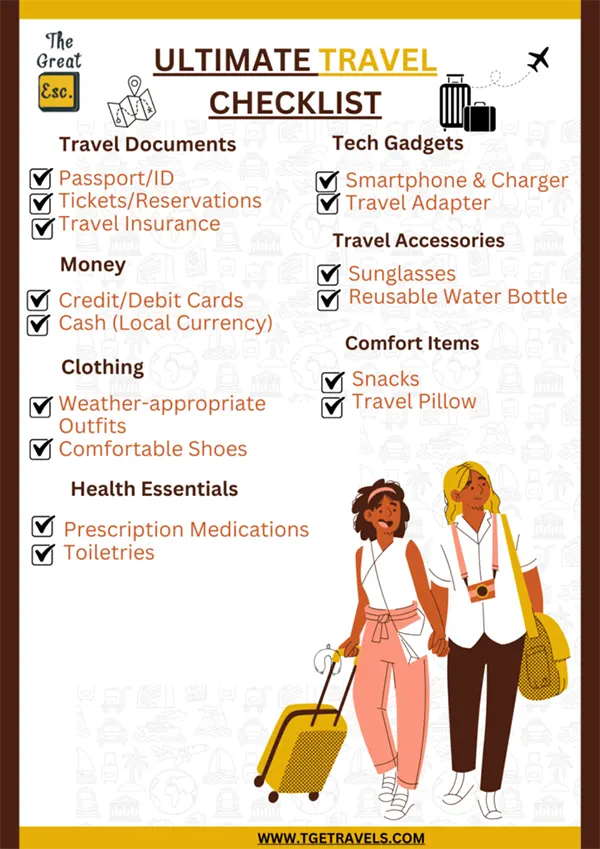
In addition, also create a departure checklist. That can cover the jobs you can’t fix easily from the airport. This might comprise dealing with post and deliveries, and checking windows and heating before you leave.
How Seasoned Travellers Stay Organised and Flexible
Keep one travel app or clearly labelled digital folder to store:
- Booking confirmations
- Visa documents
- Insurance details
- Emergency contacts
Save important files offline too, so a poor mobile signal doesn’t leave you searching for a hotel address at immigration or a booking reference at the station.
Adept travellers also leave breathing room in their schedules. A spare afternoon can absorb a delayed train without ruining dinner plans, while an uncommitted morning lets you follow a local recommendation you only discovered after arriving.
Preparing Your Transport Before Every Journey
Work out how you’ll exit the airport or station before you travel. You might pre-book a transfer or save instructions for buying a public transport ticket.
Check the rules for each transport option as well. Airline baggage limits can vary between fares, while driving may require toll sign-up, specific documents or suitable car insurance. Driving on a road with big vehicles around is also a skill. Ten minutes of research beforehand can prevent unexpected charges or lengthy conversations at a rental desk.
Small Habits That Make Each Trip More Enjoyable
Maintain a small travel kit stocked with permitted toiletries and everyday essentials, replacing items after each journey. You’ll pack faster and reduce the chance of discovering at bedtime that your toothbrush is still at home.
A little local preparation enhances everyday interactions too. Learn a few useful phrases, such as hello, please, and thank you, and carry a modest amount of local currency where cash remains useful.
These habits require little effort, and yet they can make unfamiliar places easier to navigate and more enjoyable to experience.
Conclusion
Just one change doesn’t improve travel. It comes from dozens of small lessons repeated over time. Frequent travellers become more efficient because they learn from mistakes, automate routine preparation, and leave room for unexpected experiences.
Try to travel more thoughtfully every time you go out. What it does is make each trip more useful. Eventually, preparation takes less effort, decisions become easier, and you have more freedom to focus on what made you want to travel in the first place.
What travel habits do frequent travellers develop?
Useful habits include maintaining a packing list, keeping travel documents organised, checking transport arrangements in advance, leaving buffer time in itineraries and recording lessons from previous trips.
How can travellers become better at packing?
Start making a reusable packing list and remove items you consistently fail to use.
How can travellers stay flexible without becoming unprepared?
Travle by this philosophy: Prepare for predictable problems while avoiding an overly rigid itinerary.