- Gateway of India Mumbai: Overview
- Gateway of India Mumbai Timings and Entry Fee
- Where is Gateway of India Located and How to Reach?
- Best Time to Visit Gateway of India Mumbai
- Gateway of India Mumbai Photos
- Things to Do in Gateway of India
- Famous Places to Eat in Gateway of India Mumbai
- Things to Know Before Visiting the Gateway of India
- Places to Visit Near Gateway of India Mumbai Maharashtra
- Wrapping Up!
The Gateway of India Mumbai stands tall on the outskirts of the Arabian Sea and is more than what meets the eye. It is the heartbeat of the city and is enriched in history, culture, and true spirit. Constructed in the British times and presently one of the most photographed locations in India, every person should visit this place at least once.
Here, we have written about Gateway Of India Colaba, its timings, places to eat and hang out nearby, and why this seaside arch should be at the top of your list of things to do in Mumbai. So read till the end!
Gateway of India Mumbai: Overview
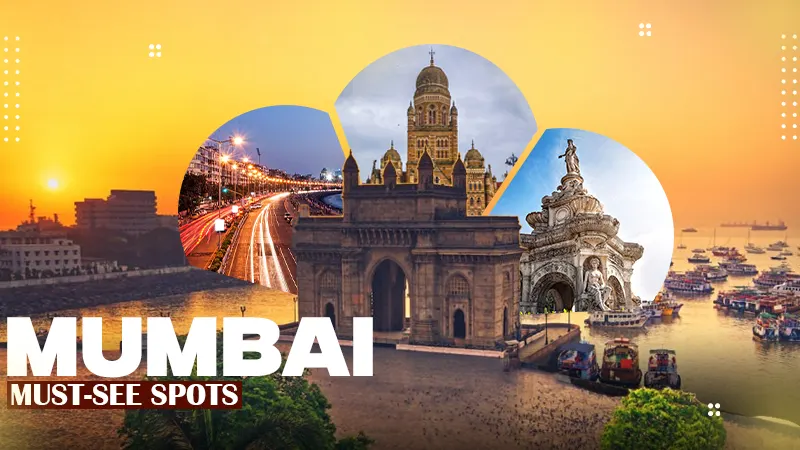
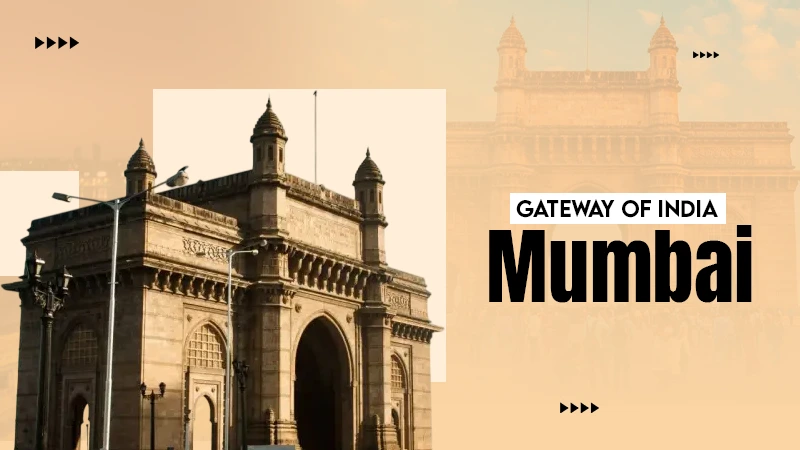
The Gateway of India Mumbai is a monumental structure that represents the historic period of India under British rule of independence. The building was constructed in 1924 to honor the visit of King George V and Queen Mary to Bombay. It is an Indo-Saracenic architecture that is 85 feet high and has a basalt arch, which is influenced by Hindu and Muslim architecture.
This spot has gained a lot of recognition, attracting tourism, and is widely popular among photographers. The pigeon flocking around and vibrant energy at the Gateway of India characterize the soul of Mumbai and can be seen at any time of the day.
Talking about historical events, this monument has prominence in the final departure of the British troops in India in 1948 and the end of the British colonial rule.
Gateway of India Mumbai Timings and Entry Fee
The Gateway of India is an open public monument, which means that any person can visit it freely. During the day, the atmosphere is vibrant, and during the night, it is magical as the structure is well-lit.
Entry Fees: Free for all
Camera Fees: No charges
Hours: Open 24 hours (best to visit between 6 AM-10 PM)
Elephanta Caves Ferry Price: Rs 300 — Rs 400 per head for a round trip.
Boat Ride Around the Gateway: Rs 100- Rs 400 per head.
As the Gateway of India does not have any ticket scheme to get inside the monument, it is better to go there early in the morning so that you can enjoy the calmness and a beautiful sunset and sunrise. Evening tours are another favourite because of the beautiful night lights and the freshness of the air.
Where is Gateway of India Located and How to Reach?
The Gateway of India is located at Colaba, South Mumbai, and is directly facing the legendary Taj Mahal Palace Hotel. It is amongst the most convenient tourist destinations in Mumbai and is located in the centre of the heritage district of the city.
Address: Apollo Bandar, Colaba, Mumbai, Maharashtra 400001
How to Reach the Gateway Of India?
The following information is about the Gateway of India location and how to reach there via multiple mediums:
- Traveling Via Road: In case of travelling via road, you can use a cab, car, or auto-rickshaw in Mumbai, and you can reach directly to Colaba.
The drive from anywhere provides a picturesque perspective of Marine Drive, Churchgate, and the heritage lanes of Fort.
- By Train: The closest railway stations are Churchgate (Western Line), which is 1.5 km, and Chhatrapati Shivaji Maharaj Terminus – CSMT (Central Line), which is 2 km.
At either of the stations, you can hire a taxi or walk on foot around the busy streets of South Mumbai and reach the location. If it’s your first time in the city, you can follow the Mumbai local train map to understand the routes.
- By Air: The closest airport to the Gateway of India is Chhatrapati Shivaji Maharaj International Airport, which is approximately 25 km. There, one can get a taxi or cab to go straight to the Gateway of India.
Best Time to Visit Gateway of India Mumbai
This monument is open all year round; however, the experience would highly depend on the weather. It will be hot and humid during summer, monsoon, and cool in winter. Thus, it is important to plan according to the best Gateway of India timings.
Winters (November to February)
The Gateway of India is the place to visit in winter (November to February) for the best experience. The weather is cool, and it is ideal for sightseeing, boat riding, and photography.
Summers (March to June)
The afternoons during this period are very hot and wet. Mumbai experiences high humidity during the summers. So if you are planning to come around this time, mornings and evenings would be the best.
Monsoons (July to October)
Mumbai is covered in rain during the monsoons (July to October), and the heavy showers can interfere with ferry rides during this time. However, if you enjoy rain, you can have a spectacular view of the sea. The best visiting time is sunrise and sunset, when the lighting adds to the beauty of the monument.
Gateway of India Mumbai Photos
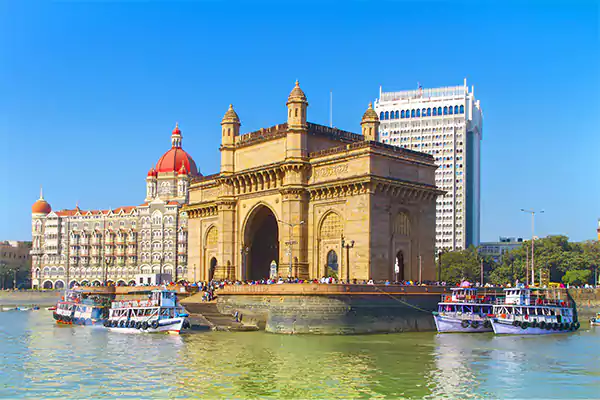
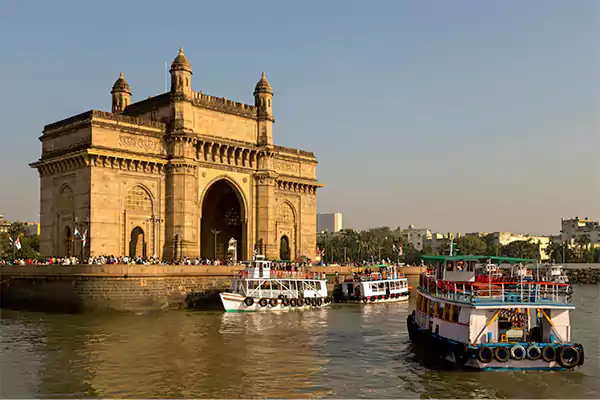
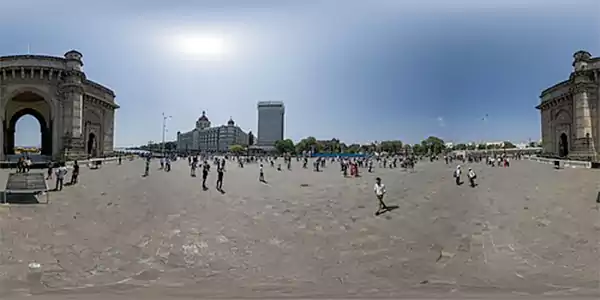
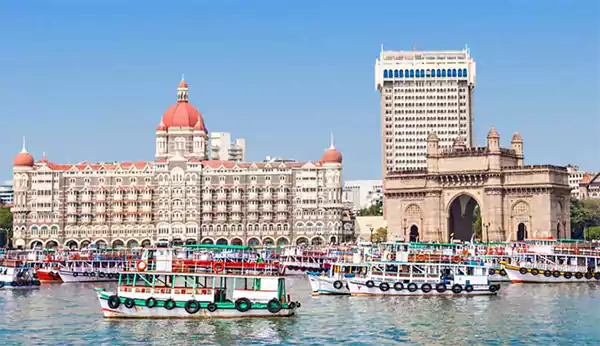
The monument and the surrounding place are a photo heaven with spectacular arches, sea fronts, boats, pigeons, the Taj Hotel in the background, and colorful crowds all combine to make a perfect postcard-sized picture. Let’s look at the picture of the Gateway of India:
Things to Do in Gateway of India
The Gateway of India is not merely a monument, but it is an experience with a mixture of heritage, the sea, culture, and city life. We have curated a list of things you can do when you go there:
1. Pray at the Gaurishankar Temple
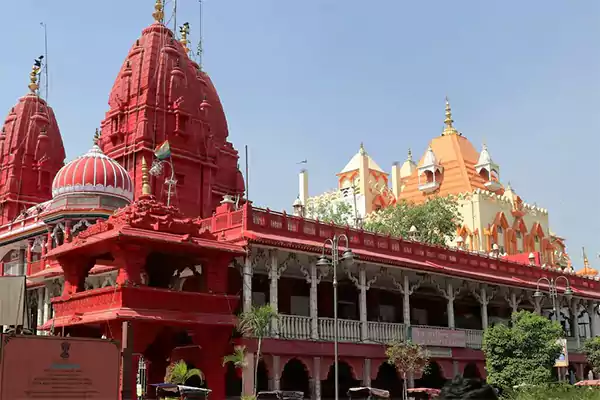
Gaurishankar temple is one of the famous Shiva temples in India. There is a miniature but spiritually meaningful idol of Lord Shiva, and the place provides a nice rest in the middle of all the hustle and bustle.
2. Take a Ferry to Elephanta Caves
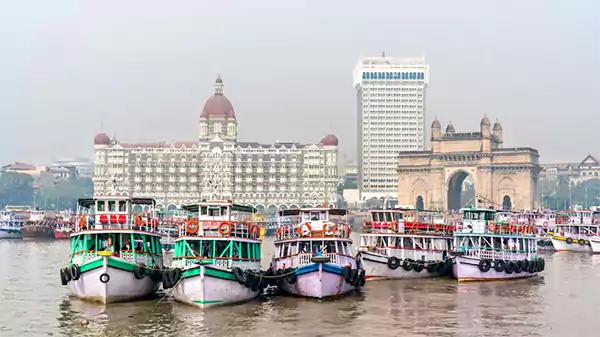
Ride on a ferry boat between the Gateway of India and the globally renowned Elephanta Caves, which have ancient Shiva carvings and cave temples. This place is a must-visit for history and culture enthusiasts.
3. Take Beautiful Pictures

If you and your camera want a day out, this is it. Get the breathtaking pictures of the basalt curves, the Taj Hotel in the backdrop, and the colorful vibe of the people in Mumbai.
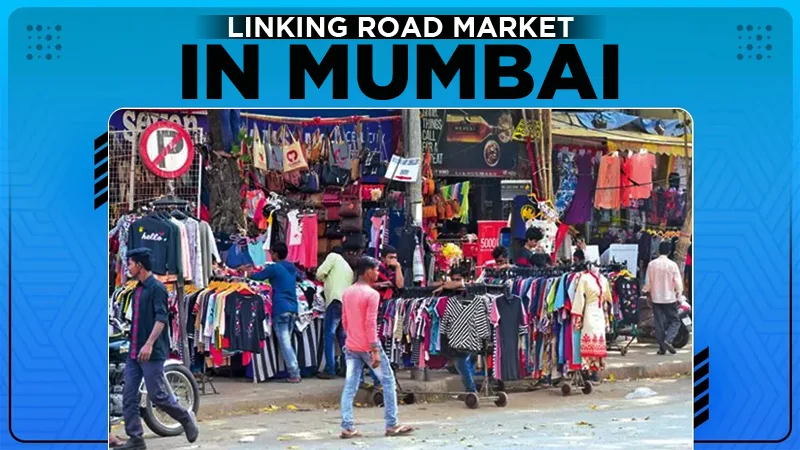
4. Colaba Causeway Market
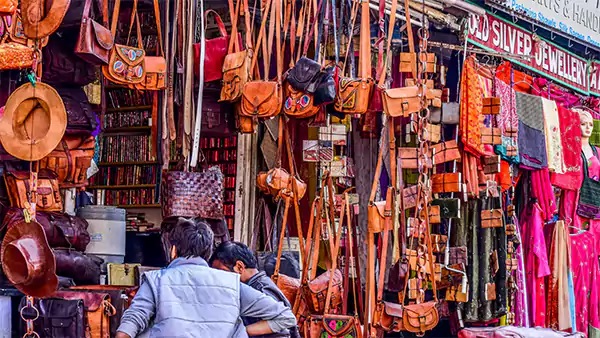
Of course, this market needs no introduction. Colaba market is one of the best markets in Mumbai known for thrift clothes, jewellery, and footwear.
Want to take a break from sightseeing? Come down here, buy yourself some antiques and souvenirs. Also, do not forget to bargain with the shopkeepers to source pocket friendly items.
Famous Places to Eat in Gateway of India Mumbai
When you are finished with sightseeing and shopping around the monument, you can treat yourself to a delicious meal at the following places:
1. Cafe Mondegar
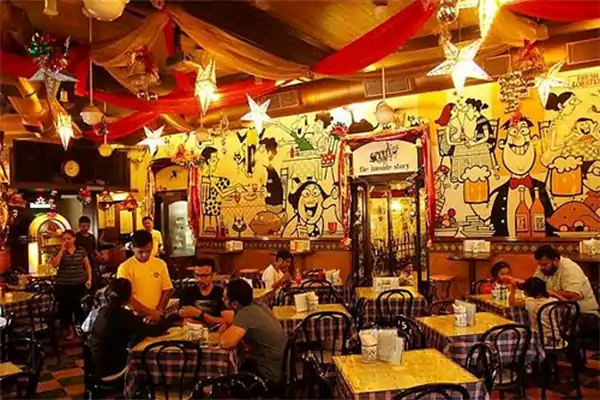
Must Try: Fish and Chips, Milkshakes.
Address: Metro House, Colaba Causeway, near Regal Cinema, Apollo Bandar, Colaba, Mumbai, Maharashtra 400001
Price: Rs 800 for two.
Timings: 8 AM to 12 AM
2. Leopold Cafe

Must Try: Chicken Tandoori, Cold Coffee
Address: Police Station, Shahid Bhagat Singh Road, Colaba Causeway, near Colaba, Mumbai, Maharashtra 400001
Price: Rs 1200 for two.
Timings: 7:30 AM to 12 AM
3. Bademiya
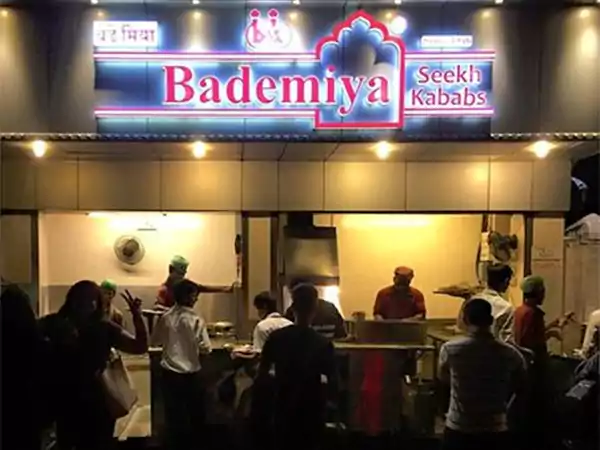
Must Try: Seekh Rolls, Chicken Tikka.
Address: Apollo Bunder, Tulloch Road, Colaba, Mumbai
Price: Rs 600 for two
Timings: 11 AM to 2 AM
4. Taj Mahal Palace Hotel
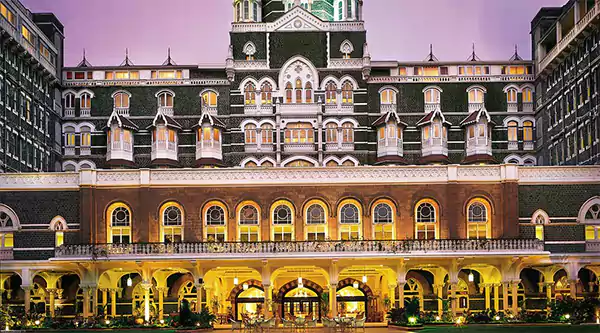
Must Try: Sea Lounge High Tea, North Indian cuisine
Address: Apollo Bunder, Colaba, Mumbai, Maharashtra 400001, India
Price: Rs 2000 – Rs 4000 for two.
Timings: Pre-booked
Things to Know Before Visiting the Gateway of India
The Gateway of India is a historical and fun escape for anyone, and it adds more charm to the trip when your experience is top-notch. So, to make sure your trip is great, the following are the key points that should be remembered:
- The place is open to all 24/7, although it is wise and best to visit in the early mornings or at night to avoid the crowd.
- There is no entry fee to enter the area, so you must avoid touts asking for money.
- You must wear breathable clothes and comfortable footwear because of the humidity and rush.
- Make sure to avoid rush hours and be careful of pickpockets, and keep your valuables safe.
- The ferry services are not available during the monsoon, so you can plan accordingly.
- Vendors in the street sell at a higher price, so you must negotiate before purchasing.
- The Gateway of India allows visitors to capture photos, so you can take your camera with you.
- The place has a paid parking spot; however, due to high demand, it is impossible to get a proper space. To avoid such inconveniences, you should prefer public means of transportation.
Places to Visit Near Gateway of India Mumbai Maharashtra
Whenever you come around to see the Gateway of India, the best idea is to combine it with other places in and around South Mumbai to make the most out of your day. Here are our top recommendations:
- Taj Mahal Palace Hotel: 0 km
- Colaba Causeway: 0.5 km
- Prince of Wales Museum (CSMVS): 1 km
- Marine Drive: 2.5 km
- Nariman Point: 3 km
- Girgaum Chawpatty: 4.5 km
- Haji Ali Dargah: 8 km
- Siddhivinayak Temple: 12 km
Wrapping Up!
The Gateway of India Mumbai, is not just another historical monument, but it is an image of the energy, culture, and durability of Mumbai. You will definitely be in awe of the magnificent structure of this place, the ferry tours, and sitting by the shore, and you will feel like a part of the city’s history.
It can be easily reached in any area within Mumbai, and it is therefore a good place to visit for all tourists, photographers, and locals as well. So the next time you are in Mumbai, the Gateway of India should be the top priority in your itinerary.
Why was the Gateway of India built?
The Gateway of India was built to mark the arrival of King George V and Queen Mary in Mumbai.
When was the Gateway of India built?
The famous monument was opened for public visit on December 4, 1924, and it was constructed in 1913.
Who built the Gateway of India?
It was built by Scottish architect George Willet and was supported by the British Raj at that time.