
- Why I Bought a Car, and Why It Was a Mitsubishi Triton
- Auckland Was Just the Warm-Up
- Northland: Where the Country Starts to Stretch
- Rotorua: Smells Strange, Feels Alive
- Tongariro: The Day That Doesn’t Feel Real
- Wellington: Wind, Coffee, and Character
- South Island: Where Everything Gets Bigger
- Queenstown: Chaos, Adrenaline, and Late Nights
- Milford Sound: Silence That Stays With You
- Somewhere Along the Way, Plans Stopped Mattering
- The Bottom Line
When the city of New Zealand comes to mind, you might think of skyline shots or rich vintage cafes and enormous sky-high buildings.
But when I first scrolled about New Zealand, it was not these modern aesthetics that drove my attention.
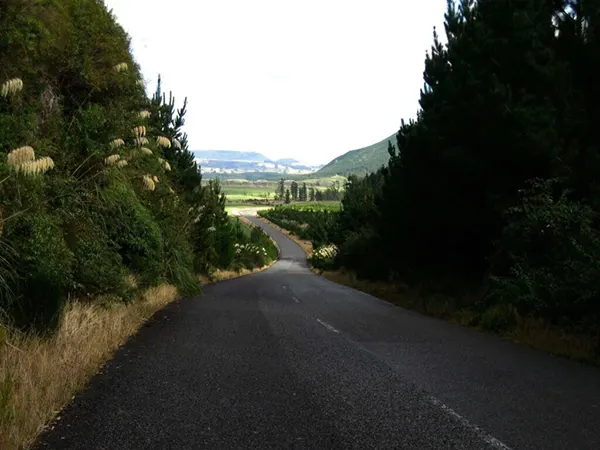
It was the roads! The valleys that trailed along the high mountains and the beaches that seemed just a few steps away.
And that’s when I decided I wanted a car.
I wanted to explore every aspect of this city, from casinos to vintage pawn shops, and from mountain sunrises to beachy sunsets, all at my own pace.
And that too without any pressure of returning the car before the deadline or incurring additional charges for a longer stay.
If you are planning to explore New Zealand as I did, read on to learn why getting a car is a good choice.
Key Takeaways
- Exploring why buying a car is worth every penny, especially if you buy a Mitsubishi Triton
- Northland, a place where even the country begins to stretch with kauri trees and Cape Reinga
- Queenstown: Your all-in-one hub for adventure activities such as Bungee jumping, skydiving, jet boating, and more
- A trip that will take you from a fully planned phase to one where plans don’t matter.
Why I Bought a Car, and Why It Was a Mitsubishi Triton
I approached the decision with careful consideration, avoiding both excessive analysis and impulsive spontaneity.
Renting felt temporary in the wrong way, like I’d be borrowing my freedom. Buying made more sense for the kind of trip I wanted, something longer, looser, less defined.
The choice itself came down to practicality. I needed something that could:
- handle distance
- Unpredictability
- and the occasional questionable road without turning it into a problem.
That’s how I ended up with a new Mitsubishi Triton at Simon Lucas. The process was straightforward, requiring no guesswork or stress. I picked it, sorted the details, and walked out ready to go.
That was the last structured decision I made. Everything after that got a lot more intriguing.
Auckland Was Just the Warm-Up
Auckland is where most people begin, and it does its job well. It eases you in. Auckland offers a blend of urban and coastal elements. But I didn’t stay long.
I walked the waterfront, grabbed coffee that was aggressively good, and climbed to Mount Eden for that panoramic view everyone talks about.
It’s impressive, sure, but it also felt like a preview. The real pull wasn’t in the city grid. It was beyond it.
Even Waiheke Island, with its vineyards and polished charm, felt like a soft introduction rather than the main event.
Nice. Easy. Not the point.
Northland: Where the Country Starts to Stretch
Head north, and things open up fast. Fewer people. Longer roads. Bigger silence.
Cape Reinga feels like the edge of something, where two oceans collide, and the wind doesn’t really let you stand still. It’s not dramatic in a loud way. It’s quiet but absolute.
Ninety Mile Beach is precisely what it sounds like, endless and slightly surreal. You drive alongside it thinking, “This place shouldn’t feel this untouched.”
Then there are the kauri trees. Ancient, massive, completely indifferent to your presence. You stand next to them, and you realise how temporary everything else is.
That was the first shift. Less doing, more absorbing.
Rotorua: Smells Strange, Feels Alive
Rotorua hits you before you even step out.
The smell was sharp, sulphur-heavy, and impossible to ignore. It’s weird at first, then oddly fitting.
This place is alive in a way most places aren’t. The “أرض” bubbles. Steam rises from cracks in the ground like the planet is exhaling.
Wai-O-Tapu looks unreal, featuring neon-colored pools that appear unnatural but are actually natural. You walk through it half expecting the ground to shift under your feet.
Then you balance it out with the redwoods: calm, towering, grounding.
And somewhere in between, there’s Māori culture, not staged, but present, layered into everything.
Rotorua doesn’t try to impress you. It just exists intensely.
Tongariro: The Day That Doesn’t Feel Real
The Tongariro Alpine Crossing is one of those things people talk about like it’s a must-do. They’re right, but they also don’t fully explain it.
It’s not just a hike. It shifts the environment every hour. You start in one kind of landscape and end in something entirely different.
Volcanic rock. Red craters. Emerald lakes that look too bright to be real.
At one point, you stop, look around, and realise there’s nothing familiar in sight. No reference point. Just raw terrain. It doesn’t feel like New Zealand.
It feels like another planet. And yet, there you are, walking through it.
Wellington: Wind, Coffee, and Character
Wellington immediately distinguishes itself from Auckland.
Wellington is more compact, has a stronger personality, and has a slightly rougher edge, all in a positive way. The wind is relentless, like it’s part of the city’s identity. You don’t fight it; you adjust.
Cuba Street is where things loosen up. Cafés, vintage shops, people who clearly aren’t trying too hard. Then there’s Te Papa, which somehow makes you stay longer than planned.
Wellington doesn’t overwhelm you. It wins you over slowly.
South Island: Where Everything Gets Bigger
Crossing the South Island feels like levelling up. Everything expands. The landscapes become sharper, more defined, and more unapologetic. Kaikōura presents you with mountains and ocean in the same frame, which shouldn’t work but does.
Lake Tekapo exhibits an artificially enhanced appearance, characterised by its surreal turquoise hue that prompts one to doubt one’s perception. And then there’s Aoraki/Mount Cook.
You don’t really “see” it at first. You approach it. Slowly. And then suddenly it’s there, massive, dominant, impossible to ignore. This is where New Zealand stops being pretty and starts being powerful.
Queenstown: Chaos, Adrenaline, and Late Nights
Queenstown is a different energy entirely. After all the space and quiet, the atmosphere feels like a jolt.
People are here to do things. Such as:
- Bungee jumping
- Skydiving
- jet boating
- anything that spikes your heart rate and gives you a story.
You don’t have to do all of it, but you feel it anyway. That underlying buzz. Days are fast. Nights are faster.
It’s chaotic but controlled. Like everyone agreed to push things just a little further than usual. And somehow, it works.
Milford Sound: Silence That Stays With You
Milford Sound isn’t loud about what it is. It doesn’t need to be.
You arrive, and everything slows down.
The cliffs ascend directly from the water’s surface, with waterfalls cascading as if they have existed for eternity, and the grandeur of the scene imparts a sense of diminished scale—an experience that is, in a way, advantageous.
There’s a kind of silence here that isn’t empty.
It’s full. You don’t rush through Milford Sound.
You don’t even really talk much. You just look. And that’s enough.
Somewhere Along the Way, Plans Stopped Mattering
That’s the thing no one really explains properly. New Zealand isn’t about hitting every “must-see” spot.
You could try, but you’d miss the point. The best moments weren’t always the famous ones.
They were the unexpected stops. The random viewpoints. The quiet stretches where nothing was happening, but everything felt right.
This feeling is due to the fact that the essence of beauty is found in the act of exploring and not grasping everything at once.
Days blurred together in the best way. Less structure, more instinct.
And by the time it was over, the original plan, if there ever really was one, didn’t matter anymore.
Because the real version of the trip wasn’t something you could map out in advance. It only made sense once you were already in it.
The Bottom Line
In a nutshell, if you want the freedom to explore the untapped points in New Zealand, getting your own four wheels on the road is the best choice.
Therefore, don’t hesitate to get your car right away and start your journey as soon as possible!
Because wheels are the way to say who you are without words.
What is the best car in New Zealand?
The safest cars in NZ include the Toyota Corolla, Mazda Demio and Honda Fit, which are primarily known for the safety features they provide for the drivers specifically.
When was the first car in New Zealand?
The first cars in New Zealand are expected to be the two Benz cars imported by William McLean of Wellington.
What animal is New Zealand known for?
The kiwi is said to be the national icon of New Zealand. They are small, flightless and nocturnal birds only found in New Zealand.
What is the leading cause of death in New Zealand?
Cancer is the leading cause of death in New Zealand, followed by respiratory and heart diseases.