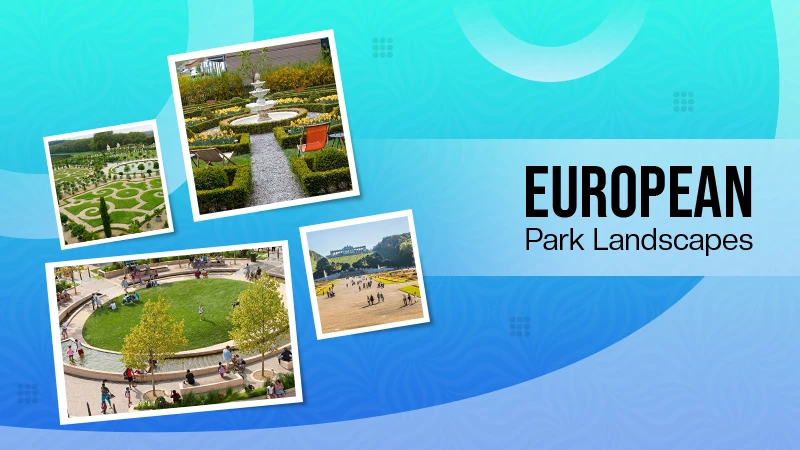
There is something special about a well-designed park. It is not just about grass and trees. It is about how everything fits together. Europe is full of these amazing places. They have history, style, and a lot of smart ideas.
Let’s talk about what makes a park design “ideal.” It usually means the park looks great but also feels good to be in. The paths should lead you somewhere cool, the plants should match the weather and the water should sound nice. Let’s take a trip across the continent and look at some of the best spots. You’ll find inspiration and can then use affordable landscape software to bring some of your ideas to life in your backyard.
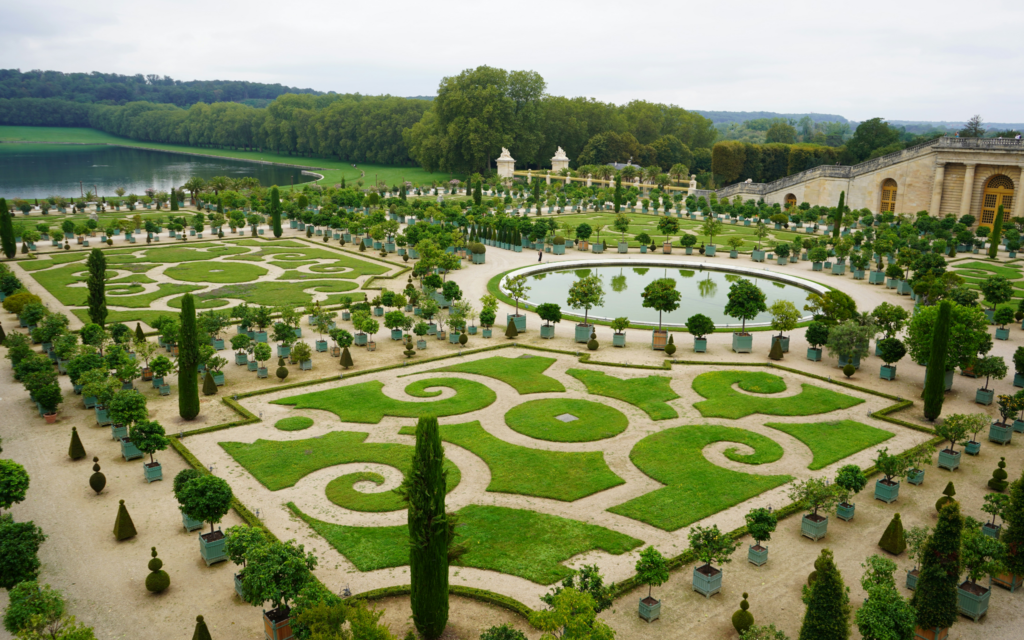
The Gardens of Versailles (France)
We have to start with the big one. Versailles is the king of all parks. Why is it ideal? Everything is about symmetry. If there is a tree on the left, there is one on the right too. The hedges look like green walls as they are cut perfectly straight. The paths are long and wide. When you stand at the palace, you can see for miles. This is called a “grand axis.” and it makes the space feel infinite.
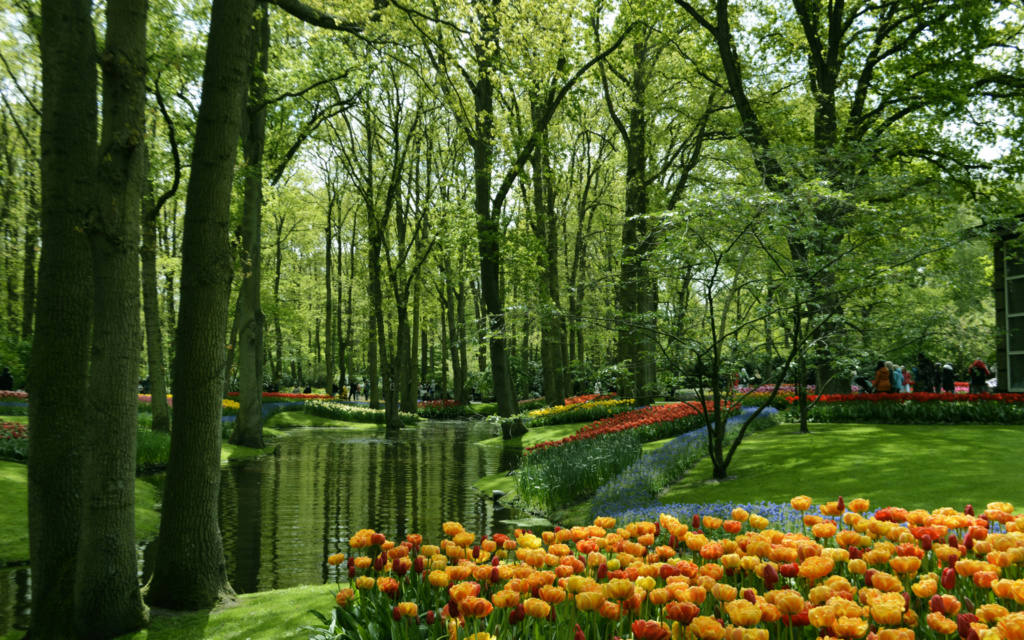
Keukenhof (Netherlands)
Now, let’s go to the Netherlands. Keukenhof is famous for its flowers. People call it the “Garden of Europe.” It is only open for a few weeks in spring, but in those weeks, it is the most colorful place on Earth. The design here is all about the “bulb.” They plant millions of tulips, hyacinths, and daffodils.
Why is the design ideal? It is the use of color. They don’t just throw seeds everywhere. They plan every single row, group colors that look good together. You might see a sea of red tulips next to a river of blue flowers.
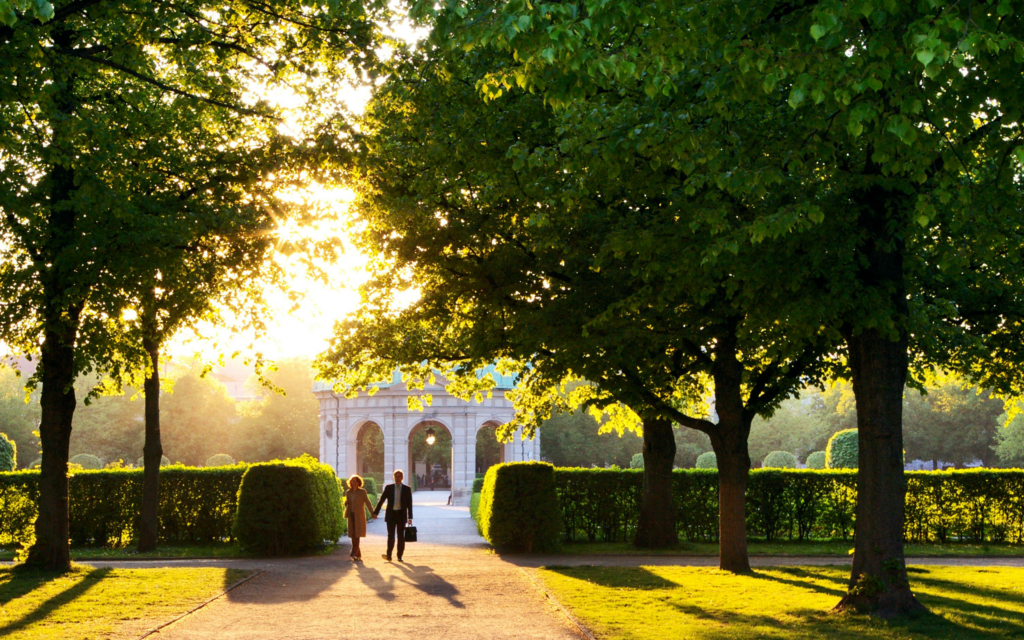
The English Garden (Munich, Germany)
This park is special and actually bigger than Central Park in New York. The name tells you the style. It was a reaction to the stiff French style. Instead of straight lines, it celebrates nature.
Why is it ideal? It feels like the countryside fell into the middle of a city. There are big open meadows and dense woods. There is even a river with a standing wave where people surf! The designers made it look like nobody designed it at all. That is the secret! They placed trees in clusters to create “views” and dug lakes to look natural.
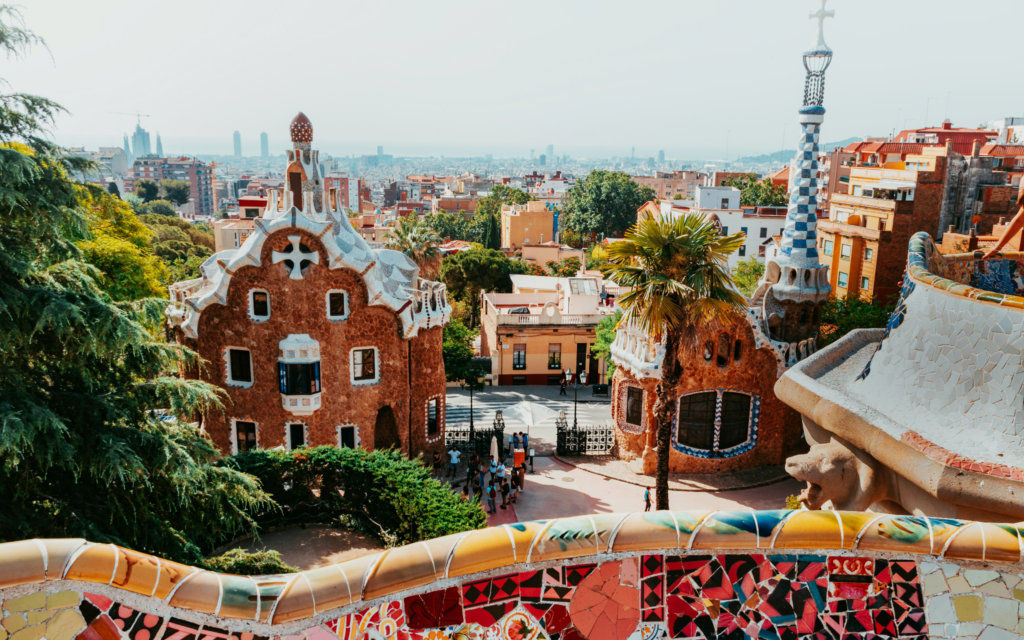
Park Güell (Barcelona, Spain)
This park is a bit wild. The design here is ideal because it fits the land. The park sits on a big hill. The architect used the rocks and the slopes, built stone columns that look like bird nests and covered benches in colorful broken tiles.
It works because it is playful and it feels like a fairy tale. The “ideal” part is the integration. The buildings and the gardens are one single thing. They use local materials. The colors match the Mediterranean sun. It shows that landscape design can be art.
Villa d’Este (Tivoli, Italy)
If you love water, this is your place. This Italian Renaissance garden is built on a steep slope. It is full of fountains, waterfalls, and pools.
The design is ideal because of how it uses gravity. This was built a long time ago. They didn’t have electric pumps and simply used the flow of the river to make the fountains spray. The sound of water is everywhere. It blocks out the noise of the world.
It also uses “terraces.” These are like giant stairs on the hillside. Each level has a different vibe. You start at the top and walk down. Each level reveals a new view. It stays cool even on a hot Italian summer day.
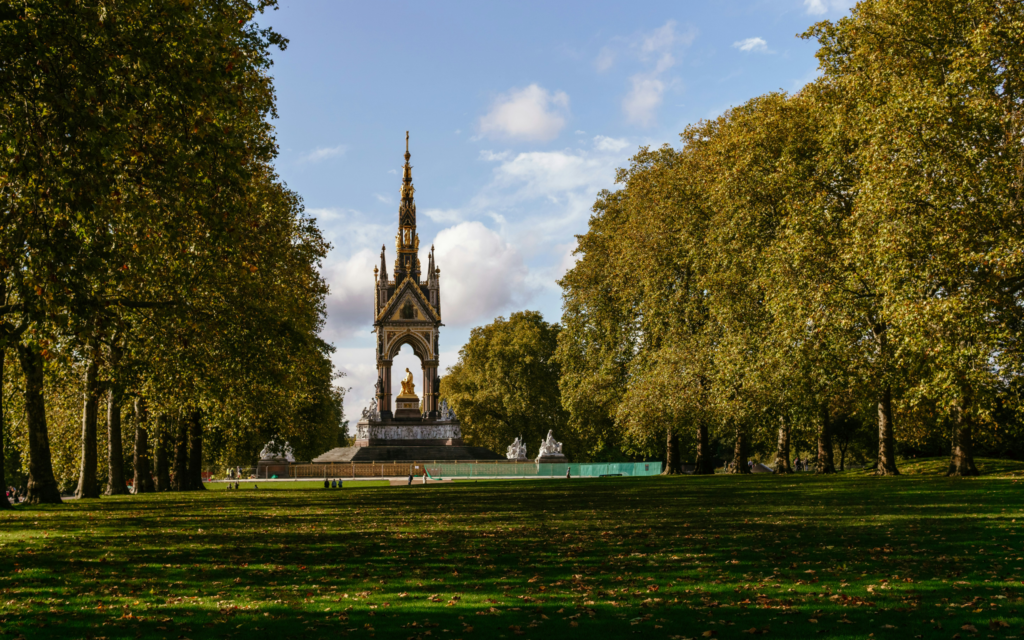
Hyde Park (London, United Kingdom)
Hyde Park is a classic city park. It is huge and sits right in the heart of London. It has a big lake called the Serpentine.
Why is it an ideal design? It has “multi-use” spaces. One part is a quiet memorial garden and another one is a big field for concerts. There is also a part that has a gallery for modern art.
It works because it serves everyone. It handles thousands of people every day. The paths are wide and clear, the trees provide shade. It balances the “wild” parts with the “clean” parts. It is the lungs of the city.
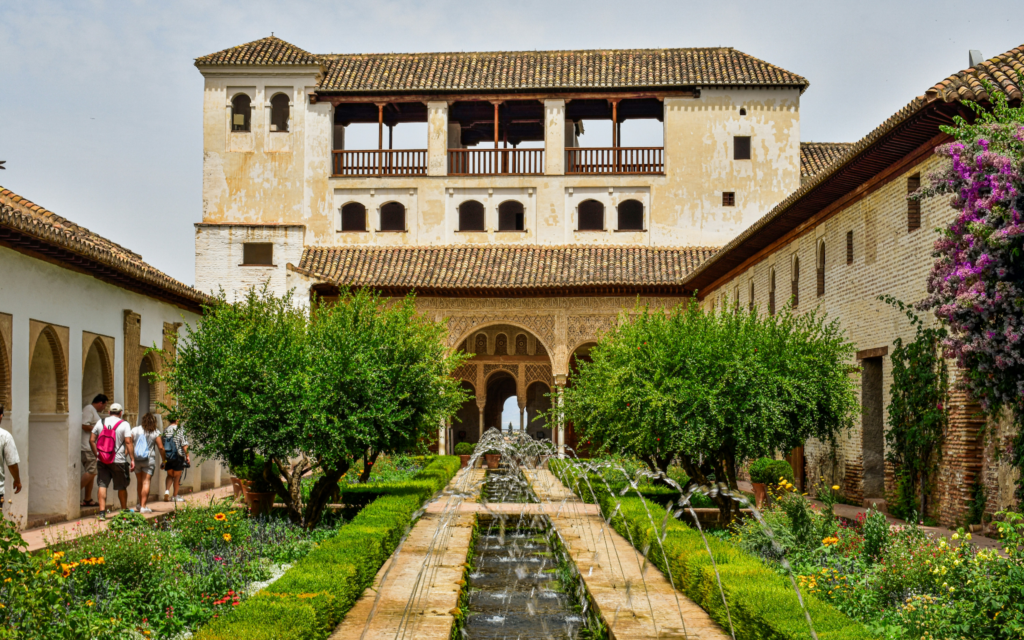
The Generalife (Granada, Spain)
This is a very old garden that was built by the Moorish kings in Spain. It is part of the Alhambra palace.
The design is ideal because it focuses on the senses. It is not just for looking. You can smell the jasmine and the roses, hear the thin streams of water in the stone channels and taste the fruit from the trees.
The layout is about an “enclosure.” It uses high walls to create private courtyards. This keeps the heat out and creates a feeling of peace. It is a small, perfect paradise that shows you don’t need a huge space to have a great design.
Why do these parks work?
You might notice some patterns here. All these parks have a few things in common.
First, they have a clear vision. Versailles wants to be grand. Keukenhof wants to be colorful. The English Garden wants to be natural. They don’t try to be everything at once.
Second, they respect the land. Park Güell follows the hill. Villa d’Este uses the river. A good designer works with what they have. They don’t fight nature.
Third, they think about the person walking in them. They provide shade, views and places to sit. A park is for people. If people don’t feel good there, the design fails.
Landscape design is a quiet art. It doesn’t scream for attention. But when it is done right, you feel calm and inspired. That is the power of a great park. Europe has figured it out. Now we just have to enjoy it.