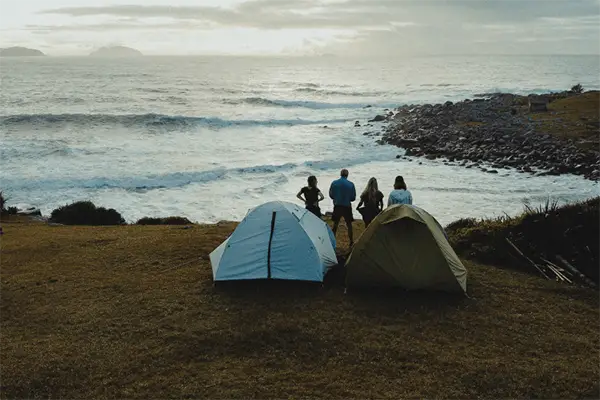
Some of a child’s most treasured memories come from family vacations. Beyond the pictures and mementoes, though, they contain something far more precious: the opportunity to learn in ways that are impossible to fully replicate in a classroom.
Travelling becomes one of a family’s most effective educational resources when done with purpose.
The good news is that it only takes a little curiosity and careful planning to turn a vacation into an educational experience rather than making it into a school trip.
Continue reading to explore more!
Key Takeaways
- Design an itinerary keeping in consideration the spots for all the members of the family. Let your kids build the itinerary, or at least make them a part of it.
- Ensure connectivity from what you see and what they know to draw useful and favourable conclusions before heading on the trip.
- Trips are not all about pleasant and happy moments; they also involve arguments and disagreements, but this is what builds the learning, so stay calm and relaxed in the unpleasant moments as well.
- Travel teaches you what books could never because it brings practical experiences and events to light that improve the learning values that last with you even after the travel is over.
Start With the Story Behind the Destination
Every location has a past, and stories captivate kids. Take some time to learn about the history of your destination before your family leaves.
Who lived there first? What events shaped it? What does the landscape tell you about the people who built their lives there?
This kind of pre-trip research does two things: it gives kids a norm for what they’ll see, and it makes them active participants.
A child who knows that the site they’re visiting was once the center of a major historical event will experience it completely differently from one who just sees old buildings.
Keep the research age-appropriate and centred around conversation. Dinner-table discussions before the trip, short filmed clips, or browsing illustrated books together can all build that foundation without feeling like homework.
Let Kids Lead the Itinerary (At Least Part of It)
Children are much more engaged when they have some control over the trip. Every child should be asked to select one activity, location, or experience to include.
Let them research it, explain it to the rest of the family, and take the lead when you arrive.
This approach builds confidence, communication skills, and the habit of independent inquiry.
A ten-year-old is gaining lifelong skills when they lead their family on a nature walk after spending a week learning about a local ecosystem.
It also opens up conversations you might not have expected. Kids often latch onto surprising details; the engineering of a bridge, the diet of a historical figure, and those unexpected interests are worth following.
Connect What You See to What They Know
One of the most effective learning strategies while traveling is building bridges between new and familiar experiences.
If your child’s curriculum includes studying the American Revolution, being in a location where those events took place helps to make abstract ideas more tangible.
If they’ve read about ecosystems, walking through a forest or along a coastline brings those concepts to life.
For families who take history education seriously, resources like those offered by https://tuttletwins.com/ can be a natural companion to travel, providing context and stories that deepen what kids see on the road.
Are you travelling to a city with a rich civic history, a national park, or a historical site? Travel becomes a living extension of what your kids are already learning if they have a solid educational foundation at home.
The connections don’t need to be formal or systematic. Sometimes the best learning happens in a casual conversation on the drive home: “Remember what we read about that? That’s what we actually saw today.”
Embrace the Unplanned Moments
On a trip, some of the most instructive experiences are the ones you didn’t plan.
A conversation with a local business owner or a sudden rainstorm that turns into an afternoon in a bookstore or museum.
Adaptability is a vital life skill that is taught through travel. Children learn by observing how adults react when plans change.
Modeling curiosity in the face of the unexpected (“Let’s figure out where we are and what’s interesting here”) is one of the most powerful things a parent can do.
Give kids space to be bored sometimes, too. Unstructured time, a long drive, and a slow afternoon often lead to the deepest conversations and the most unexpected questions.
Make Reflection Part of the Trip
Learning solidifies when it’s reflected on. Building in small moments of reflection doesn’t have to be elaborate.
A shared question at dinner is enough to prompt meaningful conversation. Some families keep a travel journal, with each person contributing a sentence or two each evening.
This kind of active engagement with ideas is the focus of Tuttle Twins resources, which encourage children to reflect, ask questions, and make connections.
On the road, the same attitude holds. The intention is for kids to become adept at asking insightful questions wherever they go.
Photos, drawings, collected postcards, or even short voice memos can all serve as anchors for memory and reflection long after the trip ends.
The Lasting Value of Learning Through Travel
A formal curriculum is not necessary for a family vacation to be instructive. Often, the richest learning takes place on the periphery.
That is, in the enquiries children pose out of curiosity, in the instances in which something they have read suddenly comes to life, and in the gradual accumulation of experiences that mould their worldview.
The Bottom Line
Family vacations can bring you a lot of learning lessons, such as building stronger bonds, knowing about each other’s strengths and weaknesses and dealing well in the impromptu situations.
So, if you want to make the most of your family travel, make sure you keep all the items on your list checked and travel with a happy heart and calm mind.
What are the five essential learning experiences ?
The five major learning experiences are values education, intellectual development, community services, physical and aesthetic development and career-related experiences.
What are the top three skills to improve?
The top three skills to improve are problem-solving, teamwork and written communication.
What makes a vacation memorable?
The parts that make a vacation memorable are spending time together, enjoying both planned and unplanned parts of the trip and being present at the moment.
What are three important things to take when you are travelling?
The three important things to take while you are travelling are a passport, IDs and travel tickets. Store them in a wallet to avoid any misplacements.