Southeast Asia has long been a playground for digital nomads, backpackers and remote workers. Thailand, in particular, offers a rich blend of culture, incredible street food and highly affordable living.
Now, instead of booking short-term holiday rentals or constantly searching for different accommodations to live out the rest of their stay, today’s slow-travel community is craving routine and comfort.
Let’s look at why thousands are choosing to settle along the vibrant Gulf Coast, trading their backpacks for long-term residency options abroad.
Key Takeaways
- The visa guidelines and rules in Southeast Asia have become easier and laxer for visiting tourists.
- Investing in coastal real estate provides a stable and custom environment for remote work while also being a great asset for future travels.
- The eastern seaboard offers plenty of facilities for visiting tourists who are looking to settle in the area.
- Affordable lifestyle and accessible real estate in Thailand have brought about the future of slow-travel in the region
A New Era for Remote Workers in Southeast Asia
The profound shift from transient tourist to long-term resident has been rapidly accelerated by recent, highly favourable changes in local immigration policies.
Historically, navigating extended stays in the area required a confusing system of tourist visas and repetitive border runs. The constant visa renewal cycles made it extremely difficult for expats to truly relax and interact in their host communities.
However, as the focus shifts toward permanence, finding a stable property has become a top priority. When expats decide to transition from renting monthly apartments to owning their own slice of paradise, they often begin by searching for a condo for sale in Pattaya Jomtien to secure a dependable coastal base.
Today, the bureaucratic landscape has completely transformed. Thailand’s eagerness to welcome high-value remote workers is evident in its newly introduced 5-year Destination Thailand Visa (DTV).
According to the Royal Thai Embassy, this specific visa targets digital nomads, freelancers, and remote workers, allowing them to legally establish a base in the country for up to five years.
Applicants are simply required to show financial proof of 500,000 THB (approximately $16,000 USD) and documentation of their remote employment.
This beneficial legislative support has transformed the dream of a permanent, stress-free workcation into an accessible reality, urging many to look beyond just temporary housing and consider property ownership in the region.
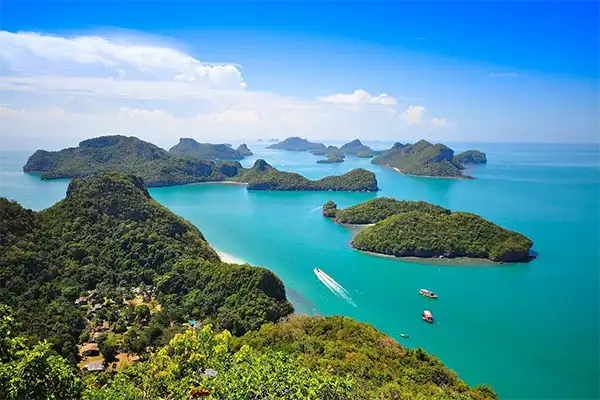
Finding the Perfect Coastal Base
With the legal struggles cleared, the next important step for many new expats is choosing the perfect location to call home.
While the southern islands offer a laid-back lifestyle, they often lack the advanced and robust infrastructure required by full-time remote workers and entrepreneurs to perform their work duties. This is precisely where the eastern Gulf Coast shines.
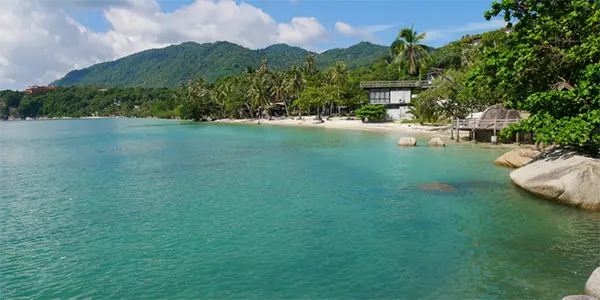
Cities in the Chonburi province offer the perfect middle ground between a bustling metropolis and a relaxing beach retreat.
Arest just south of the city centres have become increasingly popular due to their calm beaches, chic cafe culture, and modern medical facilities.
Investing in local coastal real estate not only provides a stable, customized environment for remote work but also serves as a fantastic, appreciating asset for future travels.
Fun Fact
Thailand is the only Southeast Asian nation never colonized by Europeans. It is also known as the “Land of Smiles” and formerly Siam, boasting over 35,000 temples.
Why Settle on the Eastern Seaboard?
Leaping from a hotel-hopping nomad to a property-owning expat is a significant financial and lifestyle decision. However, the eastern Gulf Coast provides several compelling reasons that make the transition incredibly appealing for foreigners:
- Exceptional Connectivity: The region presents a world-class telecommunications infrastructure, with high-speed fibre internet being the standard in nearly all modern buildings, ensuring remote workers never miss a vital client deadline.
- Cost-Effective Luxury: Compared to housing markets in the West or even central Bangkok, property buyers can acquire premium real estate on the coast at a fraction of the cost. These complexes routinely feature Olympic-sized swimming pools, state-of-the-art fitness centres, and panoramic sea views.
- Established Expat Networks: Settling in a foreign country can initially feel challenging, but these coastal cities are home to thriving and welcoming communities of residents of all cultures. Finding professional networking events, supermarkets, and English-speaking groups is entirely effortless.
- Proximity to International Travel: Located just a short motorway drive from Suvarnabhumi Airport, residents can easily hop on a flight to explore the rest of Asia or return home for holidays without the added hassle and expense of domestic connections.

The Future of Slow Travel in Thailand
The days of constantly living in transit are quickly fading for many experienced travellers. As remote work becomes a permanent fixture of the global economy, the basic desire for a stable and comfortable home base has never been stronger.
The balanced combination of flexible visa guidelines and accessible real estate in the region has created a unique opportunity for expats who look to enjoy the advantages of living in tropical places without sacrificing their professional ambitions.
By combining brilliant visa regulations with a spectacular, affordable coastal lifestyle, Thailand is successfully turning passing tourists into lifelong residents. For those ready to trade their battered backpack for a beachfront balcony, the Gulf Coast is waiting to welcome you home.
FAQs
Q1) Why are tourists shifting to Southeast Asia?
Ans: Tourists are permanently relocating to Southeast Asia as it now offers all the benefits and amenities that a remote worker or even a person looking for a change in their lifestyle can think of.
Q2) Have the visa regulations improved?
Ans: Yes, the visa guidelines and requirements have now become a lot easier for tourists looking to settle in Southeast Asia, with changes to real estate laws and documentation required for stay.
Q3) Why are people preferring slow-travel?
Ans: Visitors like digital nomads, remote workers and experienced travellers are gravitating towards slow-travel because they look to explore all of what a place has to offer, and the rules of stay are becoming more lax, helping them hold on to their professional ambitions.
Q4) Why should one settle on the Eastern Seaboard?
Ans: The eastern seaboard provides many compelling reasons to settle there, like:
- Exceptional connectivity
- Affordable luxury
- Established expat networks
- Proximity of international travel options