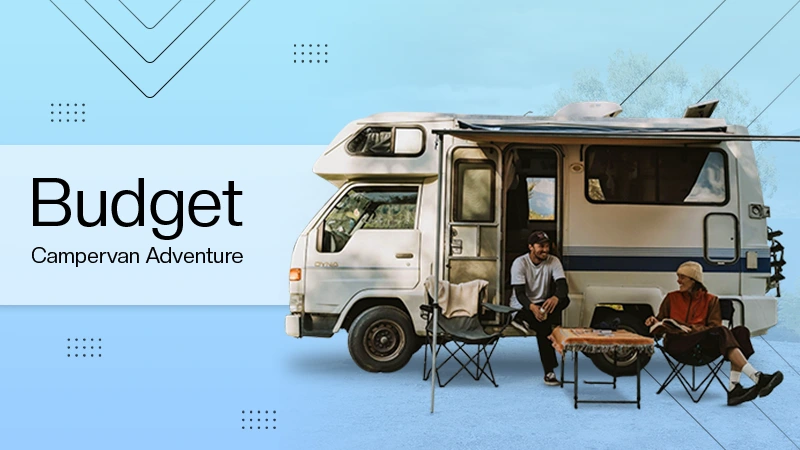
- Why a Campervan Can Save You Money in New Zealand
- Choose the Right Route Before You Book Anything
- Book Early and Travel Outside Peak Season
- Keep Daily Costs Low Without Making the Trip Miserable
- Plan for Mileage, Ferry Costs, and Hidden Extras
- Make a Realistic Budget Before You Hit the Road
- Focus on Free and Low-Cost Experiences
- Conclusion

Not every experience comes with an expensive budget. A great example of this is a New Zealand road trip that comes with a luxury price tag. In fact, an interesting trip to campervan is widely popular as the most cost-effective approach to find out the beautiful mountain ranges and charming small towns.
The main goal is not to spend less on everything – it is about spending smarter. By selecting the right track, keeping things under control and keeping things aligned – one can enjoy freedom of the open road.
Read this article to learn practical ways to plan an affordable campervan adventure while still enjoying everything.
Key Takeaways
- A campervan mix travel and stay at a smooth pace, overall allowing everyone to reduce travel costs.
- Traveling during spring or autumn often serves things at better prices and with lower crowds.
- Cooking your personal meals can effectively reduce the routine travel costs.
Why a Campervan Can Save You Money in New Zealand
At first view, renting a campervan may look like a big charge. But when you pair it with booking a rental car plus hotels or motels every night, the numbers often seem to make sense. A campervan fuses your main travel costs into one and gives you the chance to stay in lower-rate campgrounds or free camping areas where permits are available.
This occurs even more in New Zealand, where long treks and rural trails can make cultural travel pricey. You may spend less by making some of your own meals, averting extra restaurant bills, and living in the same vehicle every night instead of arranging for separate quarters.
If you’re assessing options, it helps to look at stable campervan rentals in NZ early in the decision process. Booking early usually offers you more choice and better terms, especially in summer when occupancy is high.
Choose the Right Route Before You Book Anything
A cheaper road trip begins with the route. New Zealand looks tidy on a map, but transit times can be longer than planned because roads are often winding and scenic. If you try to see too much, you’ll likely end up paying more on fuel, take crossings, and campground fees.
It helps to indicate whether you want a North Island trip, a South Island trip, or a longer ride across both. The North Island is often ideal for shorter drives and warmer weather, while the South Island is known for unique scenery and famous road trip stops. Either can work on a financial basis, but choosing one main area usually keeps prices lower.
Also, build a sensible routine. Camping for two nights in one specific area rather than visiting every day lowers fuel use and helps you make full use of inexpensive campground options.
Book Early and Travel Outside Peak Season
Most folks don’t realize how much timing shapes what you’ll pay for a campervan journey across New Zealand. Peak costs hit when school holidays roll around – think late December to February. Should your plans bend a little, aim for spring or fall instead. These months often mean lower prices, plus fewer vehicles clogging scenic routes. Peaceful drives tend to follow.
Most folks overlook timing when they plan trips. Yet picking dates wisely matters just as much as locking things down ahead of time. The later you leave it, the tougher it gets to grab campervans without paying extra. Ferry spots? They vanish fast too.
Same goes for campsites that fit how you really travel. Booking sooner means avoiding oversized rigs you never needed anyway. Choices stay open only if you act before everyone else does.
A smaller van often bills less to hire and uses less fuel. Unless you’re traveling with different people or need extra storage, clay-like is usually the smarter finance choice.
Keep Daily Costs Low Without Making the Trip Miserable
Small daily savings add up easily on a road trip. In New Zealand, fuel, food, and campground fees are usually the main daily costs, so those are the places to target.
Cooking your own meals is one of the most common ways to save. Most campervans have basic kitchen supplies, and even simple breakfasts, lunches, and dinners can lower your bills a lot. New Zealand supermarkets are well loaded, so you can buy foods for several days at a time instead of eating out throughout the week.
For overnight rentals, mix paid campsites with low-cost or free options when offered. DOC campsites and holiday parks can be a great middle ground if you want basic services without a high price tag. Just make sure your campervan is appropriate for freedom camping if that’s part of your plan, and always look into local rules.
Here’s a basic way to think about it:
| Expense | Budget-friendly approach |
|---|---|
| Fuel | Drive a sensible route and avoid backtracking |
| Food | Shop at supermarkets and cook in the van |
| Accommodation | Use a mix of campsites and free spots where legal |
| Activities | Focus on hikes, beaches, lakes, and scenic stops |
Plan for Mileage, Ferry Costs, and Hidden Extras
A lot of travelers do not understand that the lowliest daily rental rate is not always the cheapest overall deal. Extra costs can creep in if you’re not alert. Ferry visits between the North and South Islands can be crucial, and one-way rentals sometimes come with exchange fees or higher charges.
Mileage is another detail useful for checking. Some rentals include infinite kilometers, while others charge extra after a deadline. If you’re arranging a long route, unlimited mileage can be the better idea even if the daily rate is much higher.
You should also ask about insurance, cleaning fees, linen, camping accessories, and extra driver charges. These may seem tiny at first, but over time they can change your total trip expense more than you imagine. Reading the right print before you book helps save nasty shocks later.
Make a Realistic Budget Before You Hit the Road
A good road trip plan should be simple enough to adhere to. Start with the big items first – campervan hire, fuel, campsites, food, and transfer tickets if needed. Then add a plan for unexpected charges, because road trips always contain a few surprise stops or detours.
It’s also smart to group your budget by day. That gives you a greater idea of how much you can freely spend without feeling tied down. Once you know your daily goals, it becomes easier to decide whether a peaceful detour, paid attraction, or nice meal goes into the plan.
Budgeting does not mean you have to skip the fun. It just means you spend wisely on the things that mean most to you.
Focus on Free and Low-Cost Experiences
One of the best parts of a New Zealand road trip is that many of the most special memories cost very little. You do not need to fill every day with costly tours or paid events. Some of the country’s best memories come from simple drives, short walks, restful beaches, and mountain peaks.
National parks, coastal roads, picnic spots, and hiking tracks can keep your trip full without hurting your wallet. If you plan well, you can create an itinerary that feels rich in memories even when you’re investing carefully.
That’s the real value of a campervan road trip – freedom of movement. You can slow down, take the picturesque route, and hit the places that matter most without consistently having to fret about hotel check-in times or rigid dates.
Conclusion
A perfect campervan road trip around New Zealand is not just about reducing the expenses but about making relevant and effective decisions. The very moment one begins to plan the route carefully, choose the right season to travel and keep an eye on every expense – the trip to campervan offers great value to traditional travel options.
Just with a bit of smart preparation and setting realistic goals – one can enjoy a memorable New Zealand adventure without overspending.
Is a campervan the least expensive way to travel around New Zealand?
This can be true for many travelers. It combines travel and living into a cost only, which can often be done in cheap ways.
Can I camp for free in New Zealand?
In some parts, this can be done freely. But rules change with the reason. Always check regulations and check standards.
Should I visit both the North and South islands on a budget trip?
In case you are working with the right budget, focusing on a single one can reduce fuel and accommodation costs.