
Kona refers to the western coast of Hawaii’s Big Island. It is known for its sunny, dry weather. It also serves as the region’s hub for tourism, fishing, and local life. The town has deep historical significance as the place where King Kamehameha I spent his final years and where some of Hawaii’s most important early events unfolded.
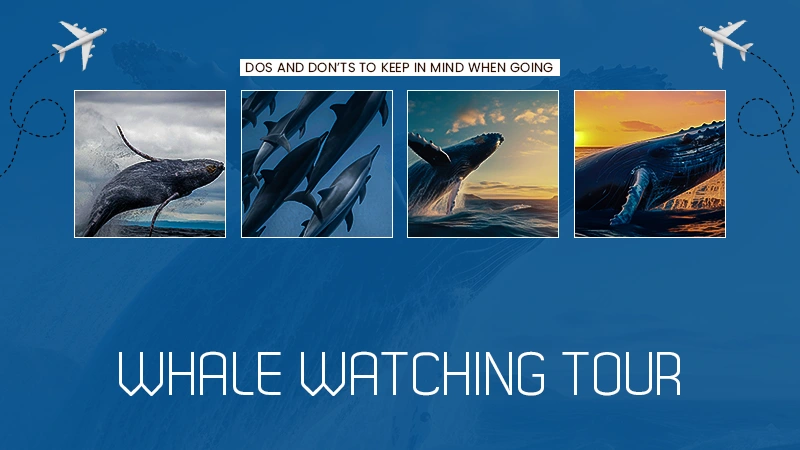
The ocean along this coast offers some of Hawaii’s best conditions for marine activities. This is why whale watching is one of the most memorable ocean experiences you can have in the United States. From the humpbacks of Hawaii and Alaska to the gray whales along California’s coast, each region offers spectacular sightings.
Kona is known for its stunning coastline and world-class ocean adventures. Experience an unforgettable private whale watching near Kona, where you can enjoy the majestic humpbacks up close in a serene, personalized setting. But to make the most of your trip and to protect both your safety and the whales, it is important to follow a few essential dos and don’ts.
What Should You Do Before Booking Your Whale Watching Tour?
- Research the best seasons and locations: Different whale species migrate at different times. For example, gray whales peak along California from December to April, humpbacks are common in Hawaii from November to May, and Alaska’s peak season is June through August.
- Choose a responsible and reputable tour operator: Look for companies certified by organizations such as Whale Sense (Atlantic) or the Pacific Whale Foundation (Hawaii). These operators follow strict guidelines that help protect marine life, maintain safe distances, and educate passengers.
- Check your weather and motion-sickness plan: US coastal waters can be unpredictable. Before your tour, check local marine forecasts and consider taking motion-sickness medication if you’re prone to seasickness. This will help you enjoy the experience without discomfort.
Tips to Prepare for the Day of the Tour
- Arrive early and dress appropriately: Whale watching boats depart on time, and boarding can take a while. Wear layered clothing because ocean winds can make even warm states like California or Hawaii feel chilly. Waterproof jackets and non-slip shoes are a must.
- Bring essentials but keep your bag light: Items like binoculars, sunscreen, a hat, and a fully charged phone or camera are useful. Pack only what you need because moving around a boat with heavy bags can be risky and inconvenient.
- Listen carefully to the crew’s instructions: US whale watching tours always begin with safety briefings—from the use of railings to appropriate seating. Pay close attention, as these rules are designed to keep you safe while the boat navigates changing sea conditions.
Things to Follow During Whale Sightings
- Stay calm and patient: Whales move naturally and unpredictably. Sometimes you’ll see them immediately; other times you may need to wait. Keep your eyes on the horizon and enjoy the ocean environment—it’s all part of the experience.
- Hold onto railings and stay within designated areas: Boats can tilt or shift suddenly when whales appear nearby or when waves hit. Standing in safe zones ensures you don’t slip or get injured during the excitement.
- Take pictures, but don’t risk your balance: It’s tempting to lean forward or step onto higher surfaces for better shots. Instead, use the boat’s stable platforms or zoom options on your camera.
Things to Avoid While on a Whale Watching Tour
- Don’t make loud noises or sudden movements: Whales and dolphins are sensitive to sound. Shouting, jumping, or banging equipment may startle them and affect their natural behavior.
- Don’t feed or attempt to touch the whales: In the US, the Marine Mammal Protection Act strictly prohibits disturbing or altering animal behavior. Feeding, touching, or harassing whales can lead to heavy penalties and endanger the animals.
- Don’t ignore seasickness symptoms: If you start feeling unwell, inform the crew early. They can provide tips or reposition you to a more stable part of the boat. Ignoring symptoms can ruin the experience for you and others.
- Don’t bring drones unless specifically allowed.
Most whale watching areas in the US have strict drone restrictions to prevent disturbing wildlife. Only use one if the tour explicitly permits it.
Key Takeaways
- Choose responsible private whale watching in Kona that follows wildlife regulations.
- Dress in layers and prepare for unpredictable ocean weather.
- Follow crew instructions and maintain safe positions on the boat.
- Stay quiet, avoid sudden movements, and never try to touch or feed whales.
- Respect drone restrictions, local laws, and marine wildlife guidelines.
- Support conservation groups to help preserve whale populations.