- Why One Outfit Needs to Handle More Than One Temperature
- Start With a Comfortable Base Before Adding Warmth
- Use the Middle Layer to Make Outdoor-to-Indoor Changes Easier
- Choose an Outer Jacket That Can Be Taken Off Quickly
- When Indoor Practice Changes the Clothing Plan
- How to Pick Boys Fleece Jacket Options for Changing Conditions
- A PatPat Fleece Bomber for Everyday Layering
- Keep the Outfit Practical for School Bags and Travel
- Prepare for the Journey Home, Not Just the Morning
- Build a Simple Routine Around the Weather
- Make Comfort the Measure of a Good Layering Combination
Most people layer clothes the wrong way for the child and then worry about why the child won’t wear a certain jacket or why he got a cold.
The answer to this is actually pretty simple because while most think that layering is only about protecting your child from the weather conditions, it is actually only half of it. A child who moves into different environments drastically throughout his entire day requires an outfit which can evolve with the changing conditions of temperature rather than being suitable only for one and being uncomfortable for the rest.
For example, winter morning usually starts with a long wait for the bus outside the home but it can quickly transition into a warm environment as the child starts playing football during noon. And this situation requires the outfit to do more than just keeping him warm or choosing a shade of jacket that looks best on him. And when parents fail to understand this, the child spends his day in an uncomfortable outfit which restricts his movements.
Building an outfit which suits the changing temperature in his day is one which he will feel the most comfortable in which he can handle everyday without it being difficult or frustrating for him. A comfortable base layer, a practical middle layer, and an outer jacket can each serve a different purpose throughout the day.
The best way is to actually consider the places where your child will spend his time and then dressing for the part especially according to the hottest and the coldest spots of the entire day. This is because an outfit which is suitable for the wait outside your home can quickly become uncomfortable once he starts playing football or sits enough bus full of students.
On the other hand, wearing too little can leave a child feeling cold while waiting for transport or walking between locations. Exploring different boys varsity jacket styles can help parents consider an outer layer that works with the rest of an outfit instead of treating the jacket as the only source of warmth.
Why One Outfit Needs to Handle More Than One Temperature
Children’s daily routines usually include multiple changes in temperature. A boy might leave home early, wait outside for a school bus, spend hours in a heated classroom, and then head to football practice or another indoor activity. Every setting builds a different clothing requirement. An outfit that stays comfortable during the outdoor activities may feel too hot once the child has been moving around indoors.
This is the reason why flexible dressing is more helpful than depending on a single heavy garment. Layers permit parents to create an outfit that can be altered as the day develops. A child can keep the outer jacket on while travelling and get rid of it after reaching a warmer building. The rest of the clothing should still feel appropriate for the indoor environment, making the change effortless without needing a complete change of outfit.
Start With a Comfortable Base Before Adding Warmth
The layer near the skin has a significant role because it remains in place when other garments are removed. A comfortable T-shirt, long-sleeved top, or suitable everyday shirt can offer an easy starting point. Parents should think about the expected weather and the child’s activities when deciding between lighter and warmer options. The base should permit comfortable movement and should not feel restrictive under additional clothing.
Fit is as important as the quantity of layers. A base top that is already uncomfortable may become even more difficult to wear when another garment is worn over it. Sleeves should feel comfortable, and the neckline should not bunch up under a jacket. For children who tend to move around a lot, a simple outfit with sufficient room to move is often more sensible than various bulky pieces. The goal is to build a comfortable foundation that works whether the child is sitting during a journey or moving around during practice.
Use the Middle Layer to Make Outdoor-to-Indoor Changes Easier
A middle layer can offer an extra level of coverage between the base top and the outer jacket. Based on the weather, this could mean a sweatshirt, a lightweight fleece, or another comfortable top. It is especially efficient on mornings when the temperature feels low but the day is said to become warmer. Parents can choose a layer that seems practical for the forecast and the quantity of time their child will spend outside.
The middle layer should not make the overall outfit hard to manage. If it is too bulky, adding an outer jacket may make arm movement uncomfortable or make the child feel stuffed and crowded. A smart combination creates enough room around the shoulders, chest, and sleeves. It should also be effortless to remove when the child comes to an indoor destination. This method gives families more control over warmth without making the outfit unnecessarily frustrating.
Choose an Outer Jacket That Can Be Taken Off Quickly
The outer jacket is particularly efficient during the coldest parts of the day, such as waiting at a bus stop, walking to school, or travelling to an activity. However, its usefulness also varies on how comfortably a child can manage it. A front opening that is easy to operate can reduce the frustration while dressing and undressing, especially when children require to move through outdoor and indoor spaces several times.
Parents can also think about the jacket’s entire shape and how it sits over the other layers. A heavy design may be less comfortable when a child has to carry a school bag or move freely. A lighter jacket can be effortless to handle when the outfit already consists of a warm middle layer. The correct choice is decided on the actual weather, the child’s comfort, and the length of time spent outdoors instead of appearance alone.
When Indoor Practice Changes the Clothing Plan
Sports halls, dance studios, recreation centres, and indoor training spaces can feel very different from the weather outside. Once a child starts exercising, the body creates more heat than it does while standing idle at a bus stop. Keeping all outdoor layers on while performing an activity may therefore become uneasy. Children should have the chance to remove their outer jacket before practice begins and wear clothing that fits the activity and the venue.
Parents can build this change easily by deciding on the outfit before leaving home. A simple base top and a manageable middle layer can be perfect starting points, while the jacket offers an additional option for the journey. It is also helpful to think about what the child will do after practice. If the journey home has another cold outdoor wait, the jacket should be comfortable to put back on without disrupting the rest of the outfit.
How to Pick Boys Fleece Jacket Options for Changing Conditions
A fleece layer can be helpful when families want an option to a heavier outer garment. Its role is directly linked with the kind of design, fabric, and how it is worn with the rest of the outfit. Some styles look well as long as there is a middle layer under a larger coat, while others may be fit as a light outer option in milder conditions. Parents comparing a boys fleece jacket can consider the garment’s construction, opening, fit, and care instructions before confirming how it may fit into a child’s routine.
It is worth paying attention to the complete outfit instead of judging a jacket by itself. A fleece design worn over a T-shirt may feel quite separate from the same garment worn over a sweatshirt. The weather, indoor heating, and quantity of physical activity all decide what feels easy. Parents should also look at the sleeves and body to ensure that they create enough room for movement. A sensible layer is one that can be worn without making it hard to reach, bend, stretch, or carry everyday items.
A PatPat Fleece Bomber for Everyday Layering
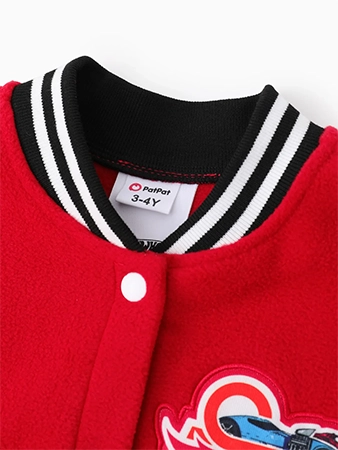
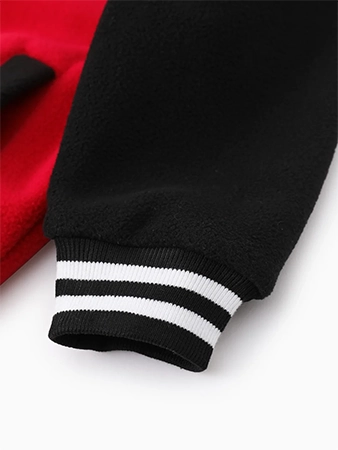
One example stated by PatPat is its red-and-black boys’ fleece bomber jacket. The product listing illustrates a brushed-fleece interior and a lightweight design created for layering, with an effortless front opening for putting it on and taking it off. It is built from 100% polyester, and the listed care manual includes machine washing in cold water and tumble drying on a low setting. These minute specifications make it easy for parents to inspect the garment depending on its stated construction and care needs, while thinking whether its style and fit suit their child’s everyday routine.
Keep the Outfit Practical for School Bags and Travel
Clothing options should also consider the things children carry during the day. A jacket worn over various layers may feel different when a school bag is kept on the shoulders. If the sleeves are too long or the body is too loose, the cloth may need frequent alterations. Parents can inspect the fit while the child is wearing the complete outfit, with the bag or any other item they normally carry. This helps provide a better idea of how the layers work together during an ordinary journey.
Travel routines can impact which garments are most comfortable. A child who walks to school may require a different combination from one who spends a longer time sitting in a vehicle. Similarly, a child who moves between multiple activities may get its advantage from clothing that can be taken off and put back on without much help. Simple front openings, easy layers, and convenient fits can turn these everyday transitions into something easier.
Prepare for the Journey Home, Not Just the Morning
Families usually pay attention to dressing children for the temperature when they leave home, but the return journey is worth the same attention. A sports session may finish after sunset, or a school activity may run later than expected. The outdoor temperature can be lower by then, even if the afternoon felt easy. Having an outer jacket available refers to a child who can build coverage again before leaving the building.
It is also useful to think about where the jacket will be placed during indoor activities. A cloth that can be folded or kept neatly with a child’s belongings is less likely to become an inconvenience. Parents can tell children to put their jackets in a regular place instead of leaving them on the floor or in an area where they may be forgotten. Small habits like these turn the layered clothing routine into something easier which can be managed throughout the week.
Build a Simple Routine Around the Weather
A dependable layering routine does not need to include many clothing items or complicated decisions. Parents can verify the forecast, think about the day’s schedule, and select a base layer, middle layer, and outer option accordingly. On especially cold mornings, an extra layer may be useful. On milder days, a lighter combination may be sufficient. The key is to avoid assuming that the temperature at one point in the day will be the same everywhere the child goes.
Children can eventually learn to balance these choices themselves. They can be told to remove an outer jacket when arriving at a warm indoor space and put it back on before going outside. Parents may need to assist younger children with fastenings or remembering their belongings, but a regular routine makes the procedure simple over time. When each clothing item has a clear aim, getting dressed for a full day of different activities becomes more straightforward.
Make Comfort the Measure of a Good Layering Combination
The most efficient outfit is not usually the one with the greatest number of layers. It is the pair that keeps a child comfortable across the activities and environments in the day’s schedule. A cold outdoor wait may require an outer jacket, while indoor practice needs fewer layers and more freedom of movement. Selection clothes that work together offers parents flexibility without making children feel weighed down.
Before buying a new jacket, families can inspect its listed fabric, construction, opening, fit information, and care instructions. They can now compare those details with the child’s everyday routine and the weather in their area. With a little planning, the same regular closet can aid school journeys, indoor activities, and the trip home. The aim is simple: make it convenient for boys to adjust their clothing as the day changes, while keeping comfort and practicality at the centre of every selection.
What is the first step to creating a comfortable outfit for my child?
One of the most important and the most overlooked features about a comfortable outfit is the base layer. This layer alone decides whether the rest of the outfit feels comfortable or itchy and restricts the arm movements. So good advice is to start with a comfortable base layer and then build your way up.
Does any jacket work well for my child?
Any jacket that is designed to keep your child warm may work well in terms of its efficiency but when it comes to comfortability it might fail. This is because you have to consider a jacket’s shape and fabric since these are the two features in a jacket which tell you how comfortably your child will be able to carry his bag after wearing this jacket.
How do I choose an outfit which can be used multiple times during the day?
Choosing a single outfit which your child can wear multiple times during the day reduces the amount of layers and the things he has to carry and this is why it is a smart choice. Think about the places where your child has to go and layer or choose a cloth accordingly. One more thing to take care about while picking out to cloth is checking where this item will be placed when your child goes to play football and that will help you narrow down your choices.