
In the northwestern part of India, a land where the deep-rooted culture, history, and nature are all in harmony. That state is the great Rajasthan. And the deserts of Rajasthan are known in the whole world for the experience they provide, found nowhere else.
A road trip from Rajasthan and into the Thar Desert offers freedom and a feeling you never knew. But this road trip will require a tremendous amount of planning, a reliable vehicle, a deep understanding of local driving conditions, and much more.
So, to make sure that your trip is safe and successful, this blog offers all the important details one might need.
Preparing for the Journey: The Right Vehicle and Gear
The Thar Desert is really great but cruel too. The first step in your planning is having the right vehicle. While the main national highways connecting Rajasthan’s main cities are normally nice and paved, the moment you go to explore rural villages or far desert camps, the land can become sandy, rocky, and rough. An SUV or a high-clearance crossover is advised to handle unknown road conditions easily.
Before leaving, make sure your vehicle has a complete mechanical check. The dry climate and strong daytime heat can take a huge strain on a vehicle’s engine and cooling systems. Check your tire pressure, ensure your air conditioning is working right, and top off all engine fluids.
Having the right gear is also important. Always have plenty of drinking water for both you and your vehicle’s radiator. Because mobile networks and GPS signals can be very unreliable in far desert stretches, it is better to pack physical road maps. Also, pack an emergency kit with a flashlight, a fully stocked first-aid box, a spare tire, and important tools.
Safety First: Navigating Indian Highways
Driving in Rajasthan is an adventure in its own right, and it needs total concentration. You will be sharing the road with an amazing but messy mix of traffic: packed transport trucks, local buses, roaming livestock, pedestrians, and brightly decorated camel carts. Even the most skilled drivers can be caught off guard by inconsistent traffic or sudden road dangers.
Whether you are navigating the unexpected rural highways of northern India or commuting on familiar urban roads back home, where you might suddenly find yourself dealing with the result of a car accident, defensive driving and having total situational awareness are important. To learn about international travel precautions, you can use resources like the Centers for Disease Control and Prevention (CDC) travel health guidelines to ensure you are fully prepared for the region’s environmental and safety factors.
Mapping the Ultimate Desert Route
To really feel the soul of the state, a well-planned itinerary is important. A classic desert course takes about 7 to 10 days, letting you experience the landscape without having to deal with powerful driver fatigue.
1. Jaipur: The Pink City
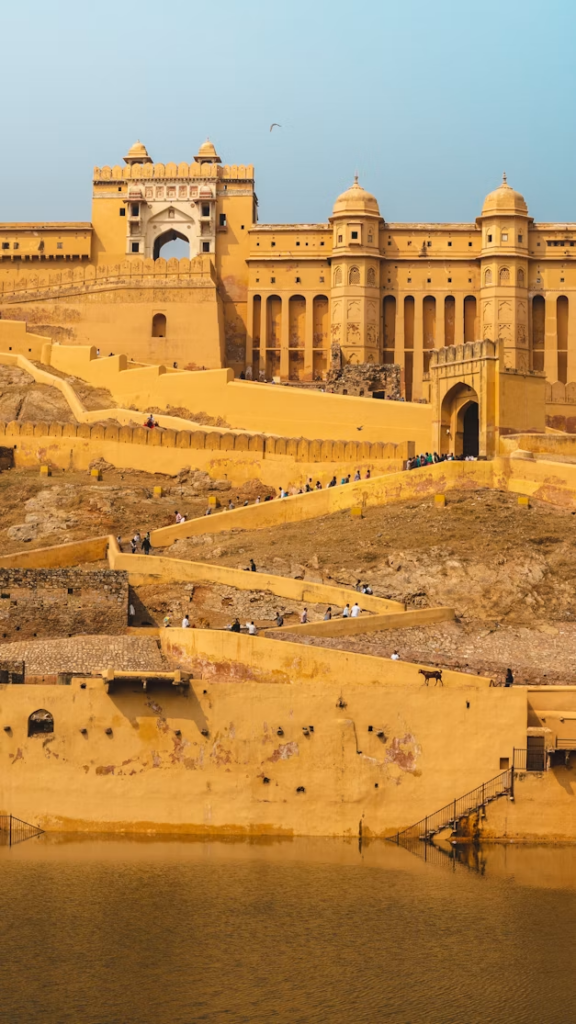
Start your journey in the state capital, Jaipur. The highways going in and out of the city are great, allowing you to get comfortable with the local driving rhythm. Before going to the deep desert, spend a day exploring the amazing Amer Fort, one of the stunning Hill Forts of Rajasthan recognized by UNESCO, and the intricately made Hawa Mahal.
2. Jodhpur: The Blue City
A 6-hour drive southwest from Jaipur brings you to Jodhpur. The land slowly changes as you leave the lush Aravalli hills behind and enter the arid scrublands of the Marwar region. Jodhpur is defined by the huge Mehrangarh Fort, which towers hundreds of feet above a sea of striking, indigo-painted houses.
3. Jaisalmer: The Golden City
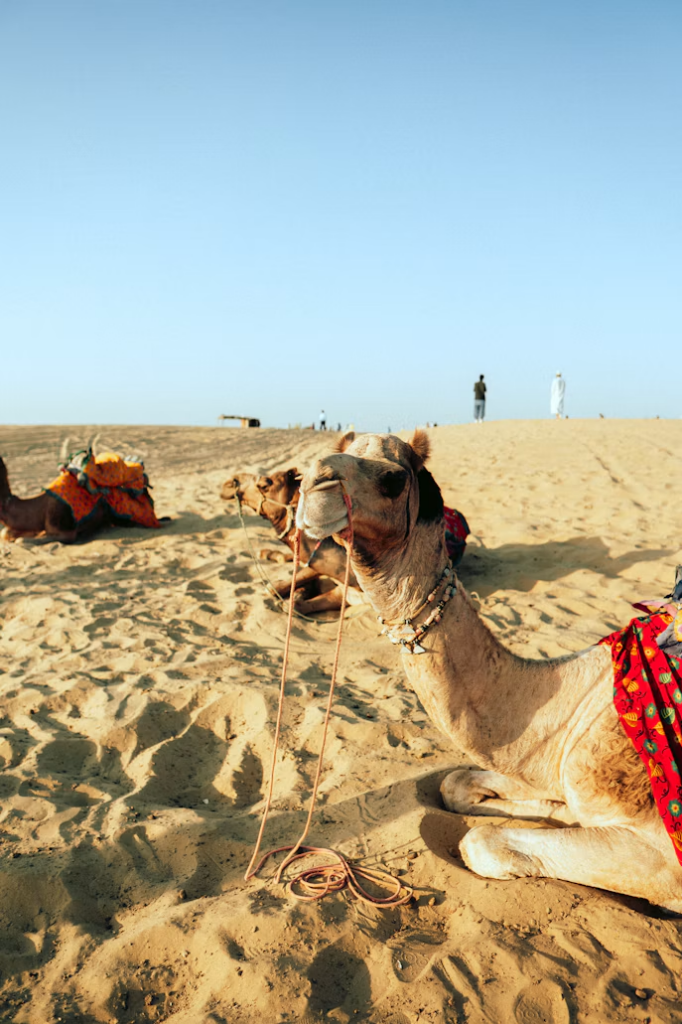
The distance from Jodhpur to Jaisalmer is the crown jewel of the desert trail. This 5-hour drive has long, straight ribbons of black asphalt cutting through vast expanses of golden sand and wind-swept scrub. Jaisalmer itself is a living fairy tale. The city’s ancient fort is full of people, with thin, winding alleys, clothes shops, and rooftop cafes. Do not miss driving out to the Sam Sand Dunes for a great sunset safari.
4. Bikaner: The Desert Outpost
From Jaisalmer, drive around 6 hours northeast to Bikaner. This way is usually calmer and far less commercialized, showing a quiet, uninterrupted desert driving experience. Bikaner is known for its nice Junagarh Fort and its special culinary treats, giving a perfect, relaxed ending to your desert course before looping back to Jaipur or going onward to Delhi.
Driving across Rajasthan’s desert trail is a unique experience. It tests your driving skills while rewarding you with never-before-seen views, rich local cultures, and historical architecture that looks totally untouched by time. By doing vehicle preparation, practicing patient and defensive driving, and welcoming the unexpected nature of the road, you will ensure that your self-drive journey through the heart of the Thar Desert is a journey you will remember for a lifetime.
When is the best time to visit the Thar?
October to March. These months have the most comfortable weather for day trips and night camping.
What are some of the most popular routes to explore Rajasthan’s historic sites?
Jaipur -> Pushkar/Ajmer -> Jodhpur -> Jaisalmer -> Udaipur is a good route to follow to avoid going back and forth too much.
Is Rajasthan safe for a road trip?
Yes, Rajasthan’s highways are normally safe for road trips. The main risks come from night driving on unlit state highways, livestock crossings, and unmarked speed breakers. So drive during daylight hours and keep speeds moderate through villages