The majority of us know that feeling of being super excited for a trip only to start it off on the wrong foot either with instances like losing a key or having a confusing address that takes hours to locate.
This is because opening your homes to strangers is specially tourists who are looking to enjoy their vacation in a foreign place requires months of planning and organisation. People who have travelled with a suitcase and a booking confirmation across the world instantly know what a good stay feels like because it usually starts with quick messages, clear instructions and a place that matches the photo it has online.
Give anything less than that and you are just giving someone a place to live rather than an experience that day will remember for life. This is why under this guide we will understand how you can plan to open your home for strangers so that both you and them can have a nice experience while being able to live your life normally.
What travelers notice first
Observe what you notice first when you book a stay. You check the photos, the reviews and the location, and then you redirect your attention to how quickly the host answers your questions. After booking, you want to understand how to get in, where to park and what to do in case Wi-Fi does not work. Guests almost never complain about a lack of fancy extras. They crib about confusion and silence.
For hosts, these expectations signal that communication and organization are as important as the property itself. A nice apartment with a delayed response time can lose out to a modest one with a friendly host who always replies.
Where Hosts Run Into Trouble
Most people start hosting with an easy setup: one listing, a phone and a calendar. As bookings start increasing, so do the moving parts. Guests start arriving from various websites, calendars overlap and the cleaner needs to know exactly when each guest leaves. Even one single mismanagement can cost a booking or a good review.
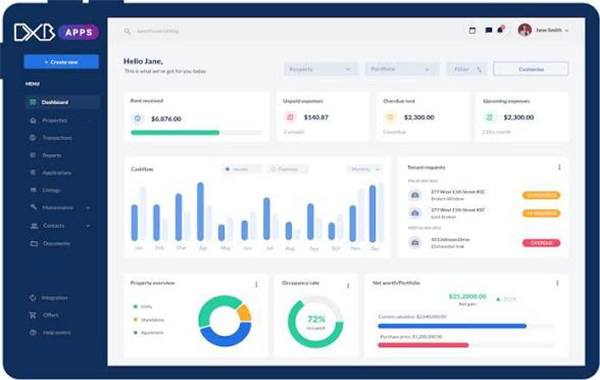
This is where short-term rental property management software can help reduce the load. It combines calendars, messages, payments and tasks into a single dashboard, so a host can review who arrives tomorrow, which property needs cleaning and which inquiries are waiting for a response all at a single place.
Features Travelers Appreciate Indirectly
Guests will rarely ever get a chance to see the software, but they feel its effects. Automated booking confirmations take only a few moments. Check-in details arrive in their inbox a day or two before they travel. Reminders and review requests feel perfectly timed, instead of just being random. Behind the scenes, an up-to-date calendar avoids the dreaded cancellation caused by a double booking.
Other useful features include saved replies for popular questions about parking or luggage storage, and a way to share a short digital guide with restaurant ideas, public transport tips and nearby tourist spots. These tiny details make the destination feel welcoming and help the host stand out.
Tips For Choosing a System
Start with what you require right now. If you have a single property, you may only need a calendar that syncs and a central inbox. If you plan to take this further, then look for tools that let you increase listings, users and channels later. Observe how simple it is to update seasonal prices and minimum stays, because travel demand shifts throughout the year.
Test the guest experience yourself by creating a trial booking and reading every message the guest would read. If something doesn’t make sense to you, it is probably confusing to a guest too.
Learn From Your Own Reviews
Reviews are the most important feedback. If multiple guests complain that the street is hard to find or that they were dicey about the key box, take it as a sign to improve your instructions. Adding a photo of the porch and a short video of the route from the nearest station can reduce most of these worries, and several hosts update their guide every season.
Small Details That Shape a Trip
Travelers never remember the software used in organising a stay, but they remember how it felt. A confirmation that takes only a few minutes, arrival instructions that are sensible after a long flight and a host who reponds the same day all create a positive tone before anyone unpacks. Think about the first twenty-four hours of a guest’s visit and review them yourself. Is the door code easy to locate? Does the listing tell you where to buy groceries or catch a bus? Are quiet hours and house rules explained kindly rather than harshly?
It is also a good instinct to prepare for the things that go wrong, because every host faces them someday. A delayed flight, a missing towel or a noisy neighbour can ruin a trip if nobody replies. Keep contact details nearby, set realistic response times and have a backup plan for cleaning or repairs. Guests are shockingly quite forgiving when a problem is taken care of quickly and politely. Over time those small recoveries create trust, and trust is what changes a first-time visitor into a returning one who recommends your place to friends.
A Better Trip For Everyone
Hosting is a way of hospitality, and the best hosts think like travelers. They expect questions, make arrival convenient and keep communication friendly. Good tools aid that mindset by taking care of repetitive tasks, leaving more time for the personal touches that guests remember, like a handwritten note, a local map or a recommendation for a hidden cafe.
If you are thinking about hosting, or you already do and feel overwhelmed, a well-chosen system can restore balance. Your guests get a smoother journey, and you get back the time to enjoy your own travels.
Does my property need to be good in order to get more inquiries?
No, that is not necessarily true because a simple property with a good host almost always beats a good property with a host that never replies on time or does not provide clear instructions. Focus on creating a smooth experience for the traveller rather than worrying about your property.
What are some of the things that I should take care of while hosting for the first time?
Hosting for the first time can be stressful but if you plan everything beforehand, the entire experience becomes smooth both for you and the visitor. Always make sure that instructions are stated clearly but politely such as the quiet hours of the house and things like where they can buy groceries or a list of restaurants nearby.
How can I expand this business?
Expanding this service is actually quite easy because all you need is a proper software which will help you automate and streamline the entire process easily. This means that you have to invest in a software which will automate enquiry, pass on replies for common questions or even have a calendar schedule on its own so that you know when two visits are overlapping.