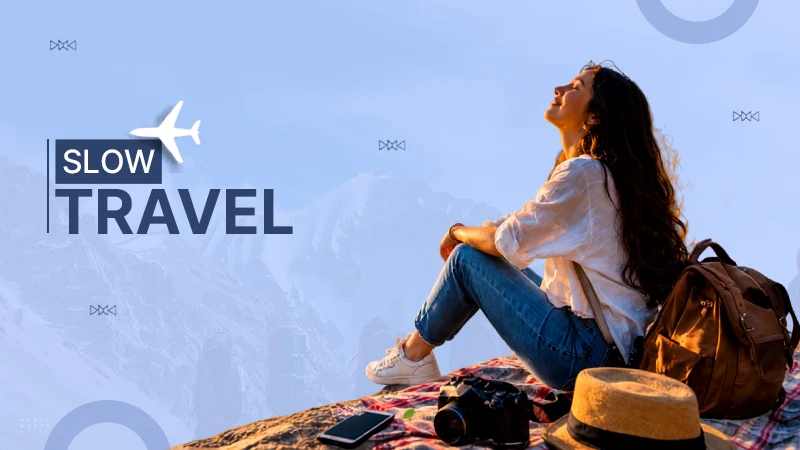
There was a time when travel was all about checking boxes five cities in seven days, packed itineraries, and a camera roll full of places you barely had time to experience. But in 2026, that mindset is shifting. Travelers are beginning to crave something deeper, something slower. Instead of racing from landmark to landmark, they’re choosing to stay longer, move intentionally, and connect more meaningfully with the places they visit.
This shift isn’t just about travel styleit’s about mindset. As people become more conscious of burnout, sustainability, and the value of presence, slow travel has emerged as a quiet rebellion against the rush. Even the way trips are planned reflects this change, from thoughtfully curated itineraries to visually immersive inspiration like a well-crafted banner design that captures the mood of a destination before the journey even begins. It’s no longer about how much you see, but how deeply you experience it.
What Is Slow Travel, Really?
Slow travel isn’t about doing nothing, it’s about doing less, better. It means choosing quality over quantity. Instead of hopping between multiple destinations, you stay in one place long enough to understand its rhythm. You learn the streets, recognize faces, and start to feel like you belong, even if just for a short time.
It might look like renting an apartment instead of booking a hotel, shopping at local markets instead of dining at tourist hotspots, or spending an afternoon in a neighborhood café simply observing life unfold. The goal isn’t to fill every hour, it’s to let moments happen naturally.
Why It’s Becoming the New Luxury
Luxury used to mean exclusivity, speed, and access. Today, it’s increasingly defined by time, space, and authenticity.
In a world that constantly demands attention, slowing down has become a privilege. Having the time to sit by a river without checking your phone, to have a long conversation with a local, or to revisit the same spot multiple times are experiences that feel richer than any rushed itinerary.
There’s also a growing awareness around sustainability. Fast travel often leads to overcrowding and environmental strain. Slow travel, on the other hand, encourages fewer flights, longer stays, and deeper respect for local communities. It’s not just better for the traveler, it’s better for the world.
Real-Life Experiences That Show the Difference
Imagine spending three days in Paris versus three weeks. In three days, you’ll see the Eiffel Tower, maybe the Louvre, and rush through a checklist. In three weeks, you’ll discover your favorite bakery, learn which streets are quietest in the morning, and maybe even pick up a few French phrases.
Or consider a coastal town in Italy. A quick visit might give you photos of the coastline. A longer stay might introduce you to the fisherman who sells fresh catch every morning, the hidden beach locals prefer, and the rhythm of life that doesn’t revolve around tourists.
These are the moments that stay with you not the number of places you visited, but the depth of the ones you truly experienced.
How to Travel Slowly (Even on a Busy Schedule)
You don’t need months of free time to embrace slow travel. It’s more about intention than duration. Here are a few practical ways to start:
1. Choose fewer destinations
Instead of planning a multi-city trip, focus on one or two places. Give yourself time to explore without pressure.
2. Stay longer in one place
Even adding an extra day or two can completely change your experience. You’ll move from “visitor” to something closer to “temporary local.”
3. Build flexible itineraries
Leave room for spontaneity. Some of the best travel moments happen when you’re not following a strict plan.
4. Engage with local culture
Take a cooking class, attend a community event, or simply talk to locals. These interactions add depth to your journey.
5. Slow down your daily pace
You don’t need to see everything. Pick one or two meaningful activities per day and let the rest unfold naturally.
The Emotional Side of Slowing Down
One of the most underrated benefits of slow travel is how it makes you feel. When you’re not rushing, you become more present. You notice details: the sound of footsteps on cobblestone, the way light hits a building at sunset, the quiet moments between activities.
It also reduces travel fatigue. Instead of returning home exhausted, you come back feeling restored. There’s a sense of clarity that comes from stepping out of your usual pace and into something more intentional.
For many people, slow travel becomes more than a way to explore the world; it becomes a way to reconnect with themselves.
A Trend That’s Here to Stay
As we move further into 2026, slow travel isn’t just a passing trend it’s becoming a preferred way of experiencing the world. Travelers are redefining what it means to have a “successful” trip. It’s no longer about how much you did, but how much it meant.
Technology, ironically, is also supporting this shift. With remote work, flexible schedules, and better planning tools, people have more freedom to design trips that prioritize depth over speed. The result is a more fulfilling, more human way to travel.
Conclusion
Slow travel invites you to pause, breathe, and truly experience the world around you. It’s about trading urgency for presence, quantity for quality, and noise for meaning. In a fast-paced world, choosing to explore lessbut experience moremight just be the greatest luxury of all.
And once you try it, it’s hard to go back.