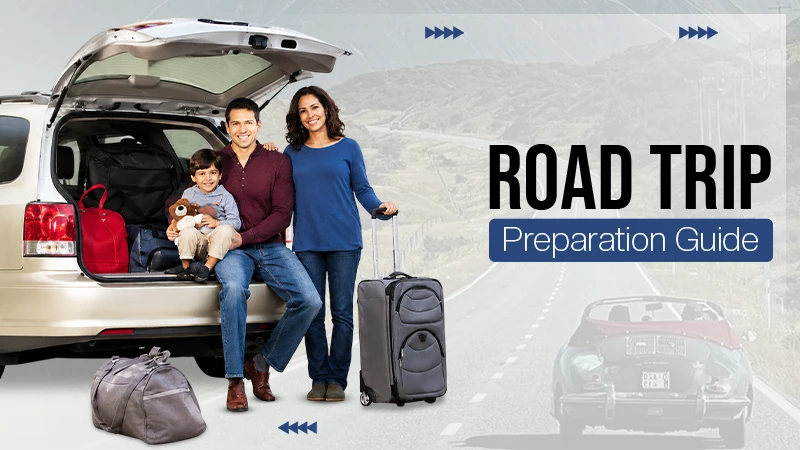
Road trips are more than just a means of getting somewhere; they allow you to explore beautiful scenery, visit new places, and travel at your own convenience. Whatever your destination is, be it a nearby weekend getaway or a distant vacation destination, proper preparation will help you to make the most of your miles driven.
Proper vehicle preparation, route planning, and taking the right items will help you avoid any potential problems and delays that could ruin your trip.
You never really understand a person until you consider things from their point of view. The eyes are not responsible when the mind does the seeing. You forget what you want to remember, and you remember what you want to forget.
KEY TAKEAWAYS
- Plan your trip by considering the time it would take to reach your destination, key stops you have to consider, and some time for some exciting experiences.
- Prepare your vehicle by ensuring that key parts such as tires, brakes, engine oil, battery, and other emergency kits are ready for use.
- Pack light but pack essentials such as travel documents, a first aid kit, food, batteries, medications, and some comfort gadgets.
- Pre-book your hotel in advance to enjoy better deals, especially if you are travelling during the vacation period or weekends.
Choose the Right Destination
If you are traveling during peak tourist seasons, consider visiting lesser-known destinations to avoid large crowds and enjoy a more peaceful experience.
Plan Your Route in Advance
While spontaneous adventures can be exciting, having a basic itinerary is always beneficial. Use digital maps to estimate travel times and identify fuel stations, restaurants, hotels, and rest areas along the route.
Give yourself some extra time to visit interesting points of view, markets, and other places that will attract your attention.
Prepare Your Vehicle
The most vital part of any road trip is your vehicle. Ensure that before departure, you perform a complete inspection, including:
- Engine oil
- Tire pressure
- Brakes
- Battery
- Coolant level
- Lights and indicators
Carrying a spare tire, jumper cables, a flashlight, a portable air compressor, and basic repair tools can save valuable time during emergencies.
Pack Smart
Too much packing will make your travels unpleasant, but not enough packing may make you ill-prepared. Think about things that will make your experience more comfortable and secure.
Some must-have travel essentials include:
- Comfortable clothing
- First-aid kit
- Water bottles
- Healthy snacks
- Power bank
- Phone charger
- Travel pillow
- Sunglasses
- Sunscreen
- Personal medications
- Important documents
Packing cubes can help organize luggage efficiently and make it easier to find items during the trip.
Book Accommodation Early
If you have overnight stops on your trip, book your hotel or guest house well in advance, particularly if you travel during weekends and holidays. Early bookings often provide better prices and a wider choice of accommodations.
Reading recent guest reviews helps ensure you choose safe, clean, and comfortable places.
Stay Safe on the Road
Safety must come before everything else. Do not drive when tired and make sure that you take breaks every two to three hours, as being hydrated and stretching your legs are crucial for staying focused.
Always follow local traffic laws, wear seat belts, and avoid using your phone while driving. If weather conditions become dangerous, postpone your journey until it is safe to continue.
Discover Local Experiences
One of the greatest advantages of a road trip is the opportunity to experience local culture. Instead of seeing only major sights, stop by family-run restaurants, local coffee shops, craft markets, and other cultural sites.
Trying regional cuisine and interacting with local communities often creates the most memorable travel experiences.
Capture Your Memories
Take a camera or even use your mobile phone to capture landscapes, architecture, tasty meals, and special moments with your family and friends.
While taking photos is important, remember to spend time enjoying each destination without constantly looking through a screen.
Travel Responsibly
Responsible tourism helps preserve destinations for future generations. Dispose of waste properly, reduce single-use plastics, respect wildlife, and support local businesses whenever possible.
Some easy things like bringing a reusable water bottle and buying from local sellers will help.
Final Thoughts
A memorable road trip is built on thoughtful planning, flexibility, and a spirit of adventure. With proper preparation of your vehicle, a well-planned itinerary, good packing, and a commitment to safety, you will have an experience filled with stunning scenery and incredible memories. Whether you are exploring nearby towns or traveling across an entire country, every road has a story waiting to be discovered. Happy travels!
How do I prepare for a road trip?
Make sure you have picked a destination, planned the route, inspected the vehicle, booked hotels where necessary, and packed everything you need for your road trip.
What should I pack for my road trip?
Pack comfortable clothes, a first aid kit, water, some snacks, charging stations for your devices, documentation, sunscreen lotion, sunglasses, your medicines, and all kinds of supplies necessary for the car.
Why is it important to plan a route for my road trip?
Planning the route allows you to calculate the travel duration, know where the fuel stations, places to eat, and rest areas are, and where to stay on the road.
How will I be able to cut down the cost of traveling on my road trip?
Book hotels ahead, compare fuel costs, bring water bottles and snacks, travel in low season, and patronize local cheap eateries.