Secluded in the middle of the Dutch Caribbean is Bonaire, a peaceful treasure. With its beautiful coral reefs, stunning dry desert landscapes, and an atmosphere known around the world for its leisurely attitude, Bonaire truly brings you back to nature.
Whether you are swimming with turtles at one of the famous 1,000 Steps or driving a 4×4 across the cactus-covered deserts of Washington Slagbaai National Park, exploring the island is a journey into an authentic island lifestyle. It integrates conservation and Eco-Adventure into everyday life.
The growing demand for ecologically sensitive tourism has allowed for new ways of exploring Bonaire from the south’s pink salt flats to Rincon’s northern historical charm. Each new experience offers a different and exciting view of Bonaire’s unique place in the Caribbean.
KEY TAKEAWAYS
- Top-notch snorkeling and diving await in pristine reefs.
- Mangrove forests provide a rich environment where many types of reef fish grow.
- If you are planning to explore the remote northern national parks, you will need to rent a 4×4 vehicle.
- Rincon Village provides tourists with an opportunity to experience the cultural heritage of the Caribbean people.
1. Snorkel the Marine Park
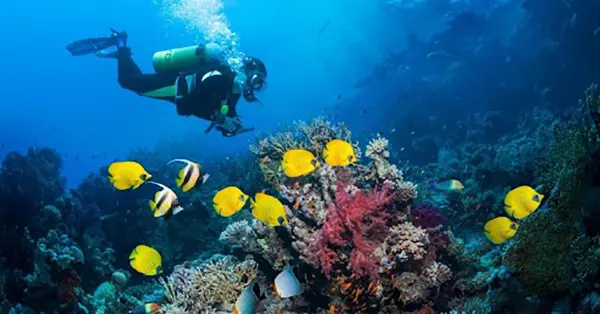
The National Marine Park of Bonaire encompasses the entire island of Bonaire, safeguarding its exquisite coral reefs, which support large populations of over 340 distinct fish species, as well as sea turtles.
Entry points marked by yellow stones along the coast allow shore snorkeling at sites like Eden Beach or the 1000 Steps, where visibility often exceeds 100 feet (ca. 30 m). Klein Bonaire is a great way to experience both calm waters and spectacular marine life while taking part in guided tours.
2. Explore Washington Slagbaai National Park
This expansive northern park covers 20% of Bonaire, featuring desert trails, cacti fields, blowholes, and flamingo lagoons. Rent a 4×4 vehicle from Easy Car Rental Bonaire or join a guided hike. Travel to viewpoints like Brandaris Hill, where you will find panoramic views of the land and need to look out for wildlife, including iguanas and parrots. The visitor center has maps and information about the island’s ecosystems.
3. Kayak Through Mangroves
Kayak through serene mangrove forests at Lac Bay. Also, check the Mangrove Information Center for clear-bottom kayaks. Paddle over mangrove roots to spot juvenile fish underneath and birds perched on top.
Tours last 1-2 hours and highlight Bonaire’s role in turtle conservation, as mangroves serve as nurseries for reef species. Sunset paddles add a magical glow to the turquoise channels.
4. Venture into Caves and Cliffs
Join a cave tour to Onima or Barcadera, climbing ladders and snorkeling underground pools adorned with ancient Arawak petroglyphs. Rugged trails along the eastern coast lead to Spelonk Lighthouse, where you can view the drama of sea cliffs that have been swept by waves from the Atlantic Ocean. These off-road adventures uncover Bonaire’s geological history and hidden petroglyph art.
5. Windsurf or Kite at Lac Bay
Lac Bay’s shallow, windy lagoon draws watersports enthusiasts for windsurfing lessons or rentals from spots like Jibe City.
At Mietic-Wan canoeing classes, beginners start in waist-deep water, while experienced canoeists take advantage of the constant winds produced by the trade winds. Combine with beachside snorkeling to spot barracudas and squid amid coral patches.
6. Island Tour by Open Bus or ATV
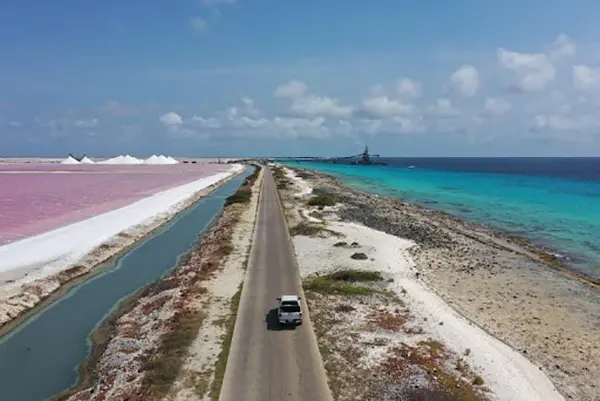
Hop on an open-bus tour covering north and south highlights: salt flats with pink lagoons, slave huts, and Rincon village. Rent an ATV to explore the unpaved roads of Seru Largu Hill for scenic views of Klein Bonaire.
These routes blend culture, like Cadushy Distillery’s cactus liqueur tasting, with scenic drives.
7. Spot Wildlife and Culture in Rincon
Bonaire’s oldest village, Rincon, hosts cultural markets with live music, local crafts, and Creole food on the last Saturday of the month. Locate the flamingo sanctuary at Pekelmeer or the Echo Parrot Sanctuary for a truly exceptional bird-watching experience and for additional opportunities to learn about conservation.
Hike kunuku trails for goats, lizards, and 240 bird species amid divi-divi trees.
The seven different ways to experience Bonaire is a reflection of the island’s commitment to sustainable and uncrowded tourism. Bonaire has much to offer to anyone looking for an authentic Caribbean experience surrounded by nature.
Rent gear locally, respect marine park tags, and embrace the island’s slow pace for an unforgettable trip.
What is the peak season for visiting Bonaire?
December to April is the peak tourist season on the island, but thanks to consistently present trade winds, the weather is consistently nice year-round.
Do I have to buy a Nature Tag to enter the Marine Park?
Yes — all people visiting the island must buy a Nature Tag before using the waters of the island.
How’s the driving on the island? Is it easy to find your way around?
Getting around is fairly easy since there is only one main road on the island. However, most people will want to rent a 4×4 if they plan to drive into the National Parks.
When can I expect to see flamingos?
You can see flamingos at all times of the year, as they are permanent residents of Bonaire — particularly near the Pekelmeer Sanctuary and Lac Bay.