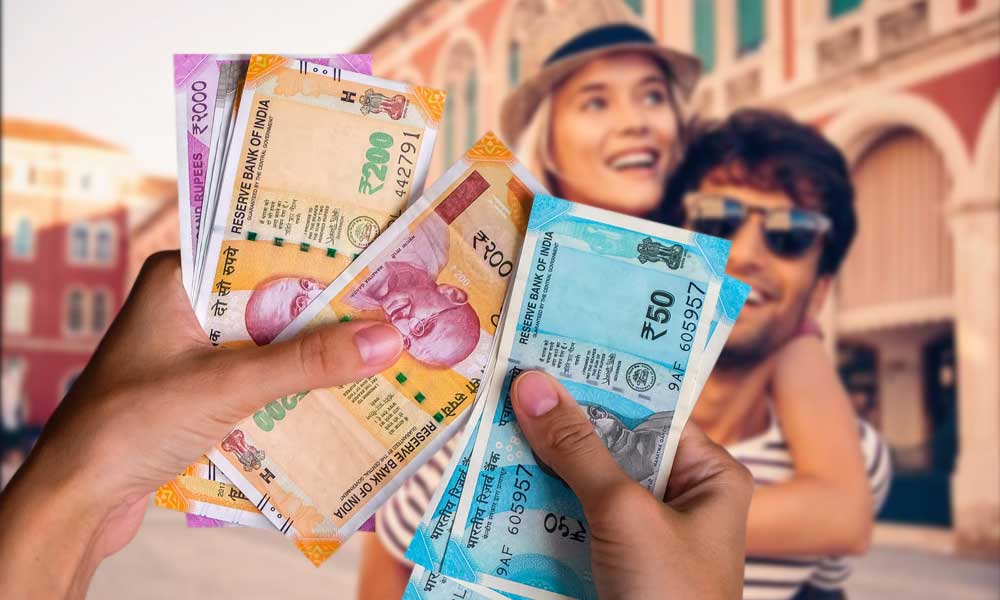
When it’s time for an international trip, financial planning is very important. Things like booking, reservations, shopping, food, transport, etc. You need money that is used in the place you are going. And so how you pay that is also important.
Cash and cards are the top options, but a large amount of cash can be a problem, and cards can have unknown extra charges, and that’s why having the best forex card in India is a good idea for travellers who want financial control and freedom.
Read the blog to learn how to find the best forex card in India
Is a Forex Card and How Does It Work?
A forex card is a prepaid card that lets you carry and spend foreign money while travelling internationally. Depending on the provider, you can load a specific amount of money or keep balances in multiple currencies. The card can then be used for legal purchases at international places that accept its payment network. Certain cards also help with cash withdrawals at compatible ATMs, subject to applicable charges and local limits.
One of the key benefits of a forex card is the ability to manage your travel money in advance. Loading foreign currency before your departure lets you to plan a part of your spending in advance. But the way exchange rates are used, the currencies available, and the fees for purchases or withdrawals change between providers. Checking these things before picking a card helps you learn how it will work during your trip.
Why Choosing the Right Forex Card Matters
Forex cards vary in terms of pricing, features, and convenience. Some may have competitive currency conversion rates but charge extra fees for cash withdrawals. Others may offer multicurrency facilities or great account management and apply different issuance, reload, or conversion charges. Learning these differences is very important if you want to spend a good amount abroad or travel in many places.
Your travel plans should guide your pick. For a short visit to a single country, a clear card that supports the local currency may be good. If your itinerary has many countries, a multicurrency card could have more flexibility. Not just picking a card based only on its many benefits, compare the total expected cost of using it in your journey.
Features to Check Before Selecting a Forex Card
Exchange Rates and Conversion Charges
The exchange rate decides how much foreign currency you get for the Indian rupees you pay. Even a modest difference in the rate can affect your budget when converting a large amount. Before purchasing a card, find out whether the provider applies an exchange-rate markup, charges a different conversion fee, or uses a different rate for transactions in currencies that are not loaded onto the card.
If you are looking for currency exchange in Bangalore, compare the final cost of purchasing foreign currency in authorised exchange providers with the cost of loading a forex card. Think about the amount you will actually get after applicable charges, not just comparing headline exchange rates alone. This way gives you a clearer picture of which option has better value for your needs.
Supported Currencies and Destinations
Before picking a forex card, make sure that it supports the currency needed for your place. Cards that support commonly used international currencies may be right for trips to the United States or Europe, while more complex itineraries may need extra research. If a transaction is made in a currency that is not available on your card, the provider may apply a conversion process and extra charges.
It is also worth checking whether the card can be used for online purchases, hotel bookings, travel reservations, and everyday payments. Some hotels and services may place temporary security deposits on cards, and prepaid cards are not accepted for every type of transaction. Confirm the useful limits with your card provider and keep a different payment method available.
Issuance, Reloading and ATM Fees
The cost of having a forex card goes beyond the normal purchase. Depending on the provider, you may find card issuance charges, reload fees, cash withdrawal fees, replacement costs, or charges for transactions in unsupported currencies. You should also check the process for transferring or refunding any unused balance after returning to India.
Remember that an overseas ATM operator may charge a different fee than the amount charged by your card provider. Checking the full fee plan before buying a card can help you learn your likely expenses. A card with a higher initial fee may still be a better option if its other charges are lower and its features match your travel needs.
How MyTrip Can Fit Into Your Travel Planning
MyTrip can be thought of as part of your search for good forex services before an international journey. Try the available options and see the features that matter most for your place, expected spending, and preferred payment methods. Before proceeding, verify the currencies supported, current exchange rates, applicable fees, eligibility conditions, and card delivery or collection arrangements.
It is important to check the entire cost, not just relying on convenience or promotional claims. Compare the available offering with other authorised options and check the latest terms directly with the provider. This helps ensure that the service you select is right for your itinerary and financial needs.
Forex Card or Cash: Which Should You Carry?
A forex card offers a good way to make eligible payments without carrying a large amount of physical currency. Depending on the provider, transaction notifications and account records can also help you check purchases and monitor your remaining balance. But card acceptance is not universal, and technical issues, misplaced cards, or blocked transactions can disrupt access to your funds.
Cash continues to be useful for small purchases, tips, local transport, and businesses that do not accept electronic payments. A good way is to have a reasonable amount of local currency alongside your forex card and another payment option. Keep emergency money away from your everyday spending funds, and pick a currency exchange strategy that fits your place and travel plan.
Smart Tips for Using Your Forex Card Abroad
A few simple steps can make using your forex card easier and more secure. Activate the card before leaving, check how to see your balance, and save the provider’s international customer support contact details. Protect your PIN, enable transaction alerts where available, and familiarise yourself with the steps needed to block a card if it is lost or stolen. Keeping your backup payment method in a different place can also reduce problems.
Pay attention when using international payment terminals or ATMs. You may be given the choice of paying in Indian rupees or the destination’s local currency. Picking the local currency often helps you avoid the extra markup that can accompany dynamic currency conversion, but your card provider’s own fees and exchange-rate rules still apply. Check the displayed amount and currency before doing any transaction.
Make Your Currency Choice Before You Fly
Picking the right forex card starts with understanding your place, spending requirements, and the costs related to different payment options. Compare exchange rates, supported currencies, withdrawal charges, and usage limits before making a decision. Carry some local cash and keep a backup payment method in case card payments are unavailable.
Planning these details before leaving can help you keep your travel funds more effectively, lower the likelihood of unexpected charges, and enjoy greater peace of mind throughout your international trip. The right option is one that mixes transparent pricing, practical features, and usability for your exact travel needs.
what is forex card?
The Forex Card is a chip-based prepaid card that lets you carry foreign currency while traveling abroad. Its association with Visa offers you the option of loading up to 15 currencies in one place conveniently and securely. This card gives you the freedom to shop anywhere in the world and provides access to the currency of your destination at competitive market rates.
What is required to apply for a forex card?
PAN Card, Passport, Visa, Travel Ticket, Application Form, Form A2; if a student, then proof. You must be a indian resident to apply, be at least 18 years old, and your travel purpose must comply with the RBI guidelines under the Liberalised Remittance Scheme (LRS) for leisure, business, studies, or medical treatment abroad.
Can I use my forex card across the world?
Forex Card will work across the world except for the following countries: Iran, North Korea, Cuba, Syria, Crimea region, Afghanistan, Venezuela, India, Nepal, Bhutan, Myanmar (Burma).