
- Understanding the Schengen Visa and Who Needs One
- Essential Documents Required for a Schengen Visa Application
- Financial Proof and Travel Insurance Tips for Applicants
- Common Reasons Schengen Visa Applications Get Rejected
- Tips to Improve Your Schengen Visa Approval Chances
- Final Thoughts Before Applying for a Schengen Visa
Alt: How to Increase Your Schengen Visa Approval Chances for a Europe Trip
When I applied for my first Schengen visa, I remember sort of sitting there with a pile of papers on my table, not fully sure which ones actually mattered. I had heard stories from friends who got rejected for silly reasons like a missing bank statement or a flight ticket that did not match their travel dates.
That experience told me this visa is not impossible to get, but it does need careful attention. This guide will take you through it in simple words so you do not make the same small mistakes I almost did.
Understanding the Schengen Visa and Who Needs One
The Schengen visa lets you move around freely across 27 European countries that are part of the Schengen Area, and yes, it works with just one visa. So instead of applying separately for France, Italy, or Germany, one permit covers short visits across all of them. If you are going for tourism, visiting relatives, attending a brief work meeting, or just transiting on your way to another destination, you will likely need it unless your passport already gives you visa-free entry.
Still, it is smart to double-check your own country’s requirements before you start, because rules can shift over time. In fact, visa applications have been climbing again after the pandemic years, even if the counts are still catching up to where they were before, according to the European Commission.
Essential Documents Required for a Schengen Visa Application
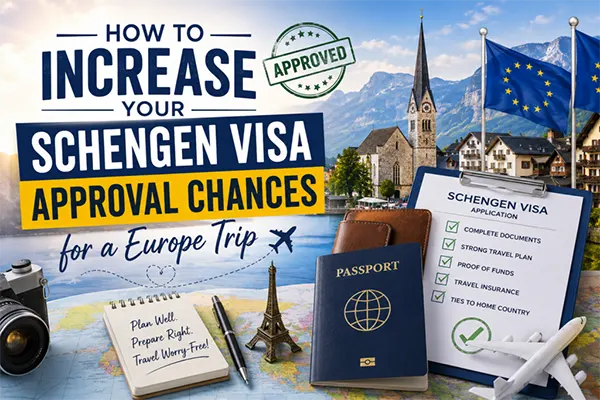
Most embassies request a similar base stack of documents even if small details vary a bit by country. You will usually need your passport (valid for at least three months beyond your planned return date), a completed visa application form, passport-size photographs, a travel plan(itinerary), lodging confirmations, flight reservations, proof of funds such as employment or income evidence, and travel insurance. Also keep everything organized, because messy papers can make the process feel harder than it has to be.
Financial Proof and Travel Insurance Tips for Applicants
Money matters a lot in this process, more than many people think. The embassy wants proof that you can support yourself while you are there and that you would not overstay. So, yes, it is not just paperwork; it is like they try to see the whole picture.
Showing Stable Funds for the Full Trip
You need to show enough money in your bank account to cover the entire trip stay, usually worked out per day. A messy account with random bigger deposits right before you apply can look suspicious. It is often safer to show a steady balance over the past few months, because it feels more normal and transparent.
Matching Your Budget with Your Travel Plan
Your bank balance should roughly align with your travel plan. If you say you will be in five-star hotels for 3 weeks, but your account barely covers a basic budget, that mismatch can make them doubt you. Try to keep your itinerary realistic, and in line with what your finances actually suggest.
Choosing Insurance That Meets Schengen Requirements
Your travel insurance should cover at least 30,000 euros for medical expenses across the entire Schengen area, including emergencies and repatriation. If you buy something cheap that does not reach that minimum, the application can get sent back. Always confirm the coverage amount before you sign and buy the policy.
Common Reasons Schengen Visa Applications Get Rejected
Most rejections happen because of small, avoidable details, not huge issues. A weak or unclear travel purpose, not enough funds, an incomplete application form, missing supporting papers, or a travel history with earlier visa denials can all reduce your chances. Sometimes, people submit a flight reservation that does not match the travel dates they wrote down, and that becomes a red flag instantly.
Another frequent thing is using real flight tickets that are non-refundable just for the application, and then you lose that money if the visa gets delayed or refused. This is exactly why many travelers now use dummy tickets for Schengen visas instead, since these show a genuine travel intention without the financial risk of booking a full-priced ticket before the visa is approved.
Tips to Improve Your Schengen Visa Approval Chances
A little extra care in your application can genuinely improve your odds. Check the tips below that I personally feel can help you in this case:
- Apply well ahead of your travel date, because rushing tends to make people miss documents.
- Be clear and truthful about why you are travelling in your cover letter, not vague.
- Keep your financial paperwork consistent and easy to follow, like really simple to read and examine.
- Make sure your flight and hotel dates align with your visa dates exactly, no “close enough”.
- If you are using a flight reservation instead of an actually paid ticket, remember that embassies often check these. So it helps to verify the tickets on the GDS system to ensure your reservation will actually appear when the visa officer checks it.
- Dress neatly and stay polite, calm, and grounded during an in-person interview.
Small things add up, and they can quietly become a strong impression.
Final Thoughts Before Applying for a Schengen Visa
Getting a Schengen visa is not only about “being perfect” on paper- not even close. It is more about being organized, honest, and consistent in what you show. Take your time when you gather documents, do not rush the financial proof, and make sure every detail in your application tells the same steady story.
I learned that the hard way on my first try, but once I understood what the embassy actually looks for, my next application went through pretty smoothly with no stress. Plan early, stay honest, and your Europe trip will feel a lot closer than it does right now.
How long does it take to get a Schengen Visa?
Usually it takes around 15 working days, but it might take longer during busy travel seasons, so try applying at least a month before your trip.
Do I need to book a full flight ticket before applying?
No. You only need a valid flight reservation that shows your travel dates. Many applicants choose this instead of a paid ticket, so they do not lose money if the visa decision takes longer.
Can I apply for a Schengen visa if I have been rejected before?
Yes, a past rejection does not stop you from applying again. But make sure the reasons you faced earlier for rejection are sorted for the next time.