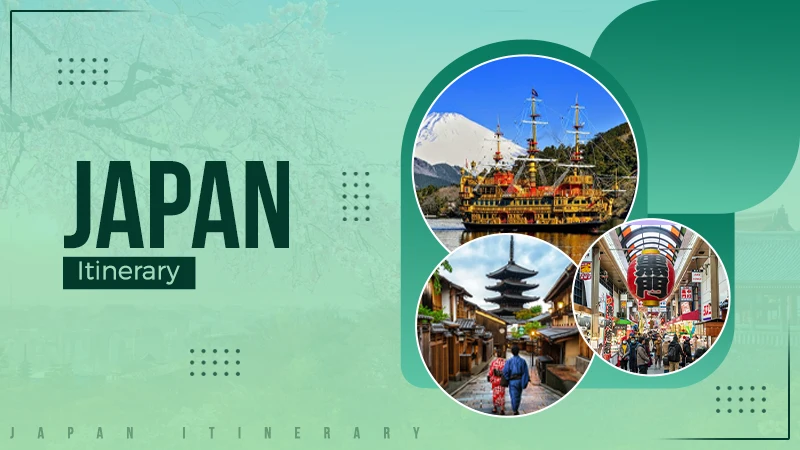
Japan is one of the most advanced yet culturally rooted places when it comes to travel, attracting many visitors all around the world, especially in the West.
People all across the world have a visit to Japan as a top priority for travel destinations.
Especially when you are a first-time visitor, the world-class flavours in their cuisines, is what drive you more to visit the land.
So, whether you’re researching Japan tours from NZ or crafting your own itinerary, this is where you will have it all.
Days 1–3: Tokyo – A Dynamic Introduction to Japan
Tokyo is where the journey starts. With Japan as a vibrant capital and one of the world’s greatest megacities, this is the best start you can have.
Start in Asakusa, home to Senso-ji Temple, where you can experience Tokyo’s historic roots.
Then head to Shibuya and Shinjuku for a glimpse into the city’s fast-paced urban lifestyle, neon skylines, and world-famous pedestrian crossings.
For a more relaxed experience, I would suggest you to visit Meiji Shrine and the surrounding Yoyogi Park. Food lovers should not miss Tsukiji Outer Market for fresh sushi and local street food.
Day 4: Day Trip to Mount Fuji and Hakone
On day four, you can start by taking a guided or self-directed day trip to the iconic Mount Fuji region and Hakone. This is specifically the area which is ideal for first-time visitors seeking Japan’s famous natural landscapes.
If the weather permits, you may catch stunning views of Mount Fuji from Lake Kawaguchi or the Hakone Ropeway. The region is also quite well known for its hot springs (onsen), offering a relaxing contrast to Tokyo’s energy.
Days 5–7: Kyoto – Cultural Heart of Japan
Next, you can travel by bullet train (Shinkansen) to Kyoto, the cultural and historical heart of Japan. Kyoto is widely known for its temples, traditional architecture, and preserved heritage districts.
Visit Fushimi Inari Shrine, famous for its thousands of red torii gates, and Kinkaku-ji (the Golden Pavilion), one of Japan’s most photographed landmarks.
Wander through the Gion district, where you may glimpse geisha walking between tea houses.
Days 8–9: Osaka – Food, Entertainment, and Nightlife
A short train ride takes you to Osaka, where you witness Japan’s culinary capital. Osaka is known for its lively atmosphere and street food culture.
You can also explore Dotonbori, a bustling entertainment district filled with neon lights, restaurants, and local specialties such as takoyaki (octopus balls) and okonomiyaki (savoury pancakes).
You can also visit Osaka Castle for a touch of history, or enjoy panoramic city views from the Umeda Sky Building.
Osaka is also well known as a convenient base for optional day trips to Nara or Kobe if time permits.
Day 10: Return to Tokyo and Departure
On your final day, you should head back to Tokyo for your departure. Depending on your flight schedule, you can even have time for last-minute shopping in Ginza or Akihabara, where you can pick up souvenirs, electronics, or anime merchandise.
Final Thoughts
This 10-day itinerary offers a balanced introduction to Japan with aspects such as combining modern cities, cultural landmarks, and natural beauty. For New Zealand travellers, Japan is relatively easy to navigate thanks to its efficient rail system, safe environment, and strong tourism infrastructure.
By following this route, first-time visitors even experience the essence of Japan without feeling rushed, making it an ideal foundation for future, more in-depth explorations of the country.
What is the best way to get around Japan?
The best way to travel around Japan is by train using the Shinkansen (bullet trains) for long distances, local subways for cities, and IC cards for daily local fares.
What cannot be brought into Japan?
Japan bans illegal drugs, firearms, counterfeit goods, fresh fruit, plants, and all meat products (including jerky, ham, and sausages).
Which part of Japan is beautiful?
Every region of Japan offers unique beauty, depending on whether you want historic temples, wild mountains, or glowing city lights.
Is it better to go to Osaka or Kyoto?
Neither city is strictly better; it depends on what you want. Kyoto is best for traditional culture, historic temples, and quiet gardens. Osaka is best for vibrant nightlife, incredible street food, and a lively modern atmosphere.