
“By failing to prepare, you are preparing to fail.”
— Benjamin Franklin (US Founding Father)
An average traveler usually starts planning weeks before the trip. Comparing travel insurance policies and pack the perfect gear. Yet one critical piece of preparation is often overlooked: knowing what to do when an emergency happens before professional help arrives. Whether you’re hiking through Gatineau Park, exploring remote trails, or traveling abroad, the first few minutes after an injury or medical emergency can determine the outcome. That’s why thousands of outdoor enthusiasts turn to Coast2Coast First Aid, a Top 3 Canadian Red Cross Training Partner, to build the practical skills that no packing checklist or insurance policy can replace. Ottawa First Aid & CPR Training is one of their most sought-after courses.
What Should You Actually Pack and Know Before a Remote Trip or Hike?
Equipment matters, but knowing how to use it under pressure matters more, and it is worth reviewing before departure rather than mid-trail.
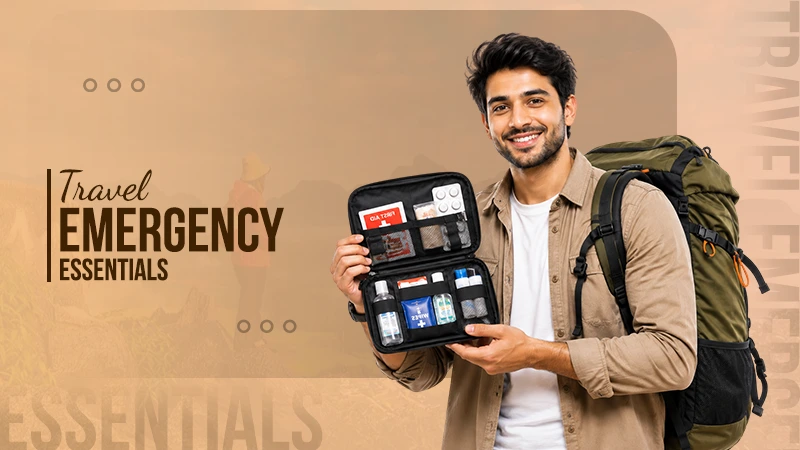
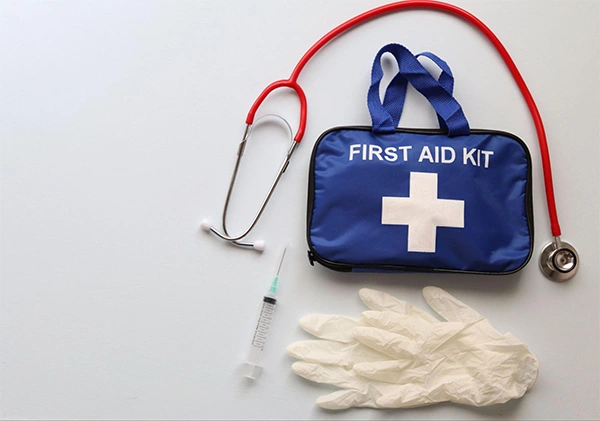
- Carry a basic first aid kit with blister care, gauze, and any personal medicines, not just a generic store-bought kit.
- Know how to treat a sprain versus a fracture, since immobilizing the wrong way can make a wound worse.
- Learn the signs of heat exhaustion and hypothermia relevant to the season and location you are traveling to.
- Convey your general route and expected return time with someone before heading out of cell range.
- Take a CPR and first aid course before a major trip, since the same skills apply just as much to a trip companion as to a stranger.
These are especially necessary for solo travelers planning trips abroad.
Does Travel Insurance Cover What First Aid Training Actually Teaches?
Travel insurance covers the cost of care after an emergency, evacuation, hospital bills, and misplaced gear. It does nothing for the minutes before help arrives, which is exactly the gap that basic first aid and CPR knowledge fills. The two are complementary, not substitutes, and travelers who rely only on insurance are protected financially but not practically in the moment that matters most.
What Should You Check Before a Trip That Most Travelers Skip?
Travel is supposed to be pleasing, but there can be rare instances of many kinds of accidents:
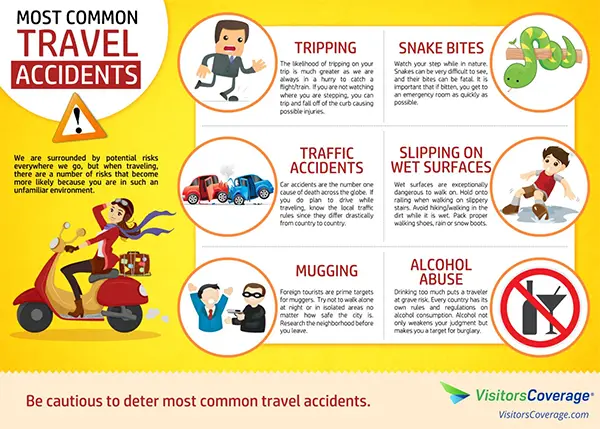
Alt: Travel Accidents
Beyond insurance and gear, a short pre-trip checklist closes gaps that only surface once something goes awry. Worth confirming before departure are whether your destination has reliable cell coverage along your planned route, whether any travel companions know your medical history or allergies, and whether local emergency numbers vary from what you are used to at home. None of this takes long to check, but each item removes one more unknown from a situation where unknowns are exactly what cause delay.
How Coast2Coast First Aid Trains for Situations a Guidebook Cannot Prepare You For
The internship approach here traces back to an internal story instructors are trained to keep in mind: an early team member passed a rushed, lecture-heavy course years ago, held a valid card, and then froze during a hands-on evaluation that really mattered. Real competence comes only from repeated physical practice, not a single afternoon of slides, which is why sessions favour hands-on drills over lecture time.
Conclusion
Secluded trails and international travel both remove the safety net of nearby emergency services, which raises the value of knowing basic first aid before you go. Coast2Coast First Aid maintains a 99.9 percent student success rate and issues digital diplomas within 48 hours of a successful evaluation. A blended course format lets most people finish certification in about a day, without losing a full weekend before a trip. Sprains, cuts, and dehydration are the most common trail hurts, but knowing when a situation actually needs evacuation versus basic care is a separate skill worth building.
The organization has certified more than 150,000 students since 2014, with a 99.9% student success rate, and holds Top 3 Canadian Red Cross Training Partner status for 2023, 2024, and 2025. It offers blended and full in-class formats, with a free 90-day skills practice retake included for anyone who wants more repetition before travel. Details are at Coast2Coast First Aid.
Is basic first aid training enough for backcountry travel?
It covers the core skills most travelers need, though remote or high-altitude travel sometimes calls for a dedicated wilderness first aid course on top of a standard certification.
How long does a CPR certificate stay valid?
The certificate is valid for three years, though an annual refresher is recommended since hands-on skills fade well before the paperwork expires.
Who is Coast2Coast First Aid?
It’s a Leading 3 Canadian Red Cross Training Partner (2023 to 2025) that has certified more than 150,000 students since 2014, with a 99.9 percent success rate, offering courses across Canada.