- Choose the Vehicle Around the Group
- Plan a Scenic Route, Not Just the Fastest One
- Give Every Stop a Purpose
- Create a Comfortable Cabin Rhythm
- Make Food Part of the Journey
- Organize Luggage by When It Will Be Needed
- Use Technology Without Letting It Dominate
- Protect the Driver’s Energy
- Plan the Arrival
- Make the Journey Worth Remembering
“We travel, initially, to lose ourselves; and we travel, next, to find ourselves.”
– Pico Iyer (Travel Writer)

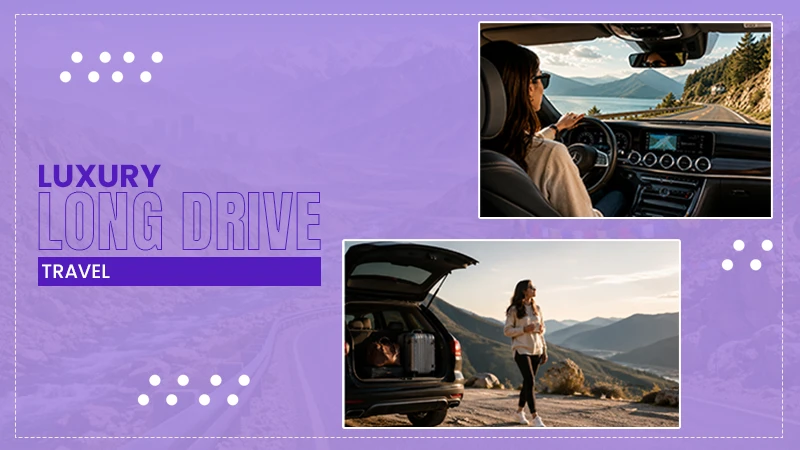
A great vacation can begin well before you reach the hotel. Maybe the moment you leave home. A long drive offers plenty of opportunity for that shift in mindset, but only when the journey itself is treated as part of the experience rather than an obstacle between two destinations.
Why spend hours cramped into a car, rush through highway stops, and arrive exhausted, when travelers can have a comfortable travel drive? For families and groups, a luxury sprinter van can provide the space and shared environment needed to make that possible.
Ditch unnecessary extras. Genuine travel luxury comes from having enough space, following a sensible schedule, making worthwhile stops, and arriving with enough energy to enjoy the destination. Here is how to transform a long transfer into a complete travel experience.
Choose the Vehicle Around the Group
The right vehicle is not automatically the largest or most expensive option. It must accommodate the people traveling, their luggage, and the type of journey they are taking.
Begin with the number of passengers who will normally travel. Then consider suitcases, sports gear, strollers, mobility aids, and anything else coming along.
Passengers should have enough personal space without using the aisle for storage. If every seat is occupied, the luggage area must still accommodate the group’s belongings safely.
Seating deserves particular attention on a long drive. Check the legroom and support available in every row—not only the seats closest to the front. Older travelers may need comfortable entry, while children require positions compatible with their appropriate child restraints.
The driver should also feel confident with the vehicle’s dimensions and handling. The person behind the wheel should be comfortable.
Plan a Scenic Route, Not Just the Fastest One
Navigation apps are designed to reduce travel time, but the quickest route is not always the most impressive.
Compare the direct highway with nearby scenic roads. A slightly longer route may pass through interesting towns, coastal landscapes, mountain viewpoints or regional food stops.
The key word is “slightly.” Adding an hour of pleasant scenery can improve the day, while turning a manageable journey into a twelve-hour marathon defeats the purpose.
Review road conditions before departure. A larger passenger van may not be appropriate for every narrow lane, low bridge or restricted route. Record the vehicle’s complete height, width and length, including any equipment mounted on the roof.
Download the route before entering areas with limited mobile service. Save the addresses of the lodging and planned stops so the journey does not depend entirely on a live internet connection.
Give Every Stop a Purpose
Intervals are essential during a long drive, but they do not all have to happen at highway service stations.
A good stop can become a small experience of its own. Look for a waterfront park, scenic outlook, independent café, or local market near the route. Twenty minutes outside the vehicle can refresh passengers and introduce them to a place they might otherwise have passed.
Push to combine practical needs. A useful stop should provide restrooms, room to stretch and something worth seeing or eating.
Traveling with children may require parks or open spaces where they can move. Older passengers might admire level paths, accessible facilities, and comfortable seating.
Avoid waiting until someone urgently needs a break. A general stopping rhythm keeps everyone comfortable, although the schedule should remain flexible.
Create a Comfortable Cabin Rhythm
A party does not need constant entertainment for every mile. The most pleasant travel days alternate between conversation, music, quiet time, and views through the windows.
Create a shared playlist before departure and invite everyone to contribute. Audiobooks or podcasts can amuse the entire group, but headphones allow passengers to enjoy something different without competing for the cabin’s sound system.
Keep the temperature comfortable throughout the vehicle. Rear climate control is particularly important because dashboard vents may not serve passengers in the last row effectively. Window shades can reduce glare without completely blocking the scenery.
Personal comfort items should remain simple. A light layer, small pillow, water bottle, and headphones are usually enough. Avoid filling the passenger area with loose objects that create clutter or move while the vehicle is in motion.
INTERESTING INSIGHT
Research says that in almost 20% of vehicle crashes, it was driver fatigue that led to it.
Make Food Part of the Journey
A trip day should not require everyone to survive on chips and convenience-store snacks.
Research a promising lunch stop along the route. A regional restaurant or family-run café can introduce travelers to the destination before they arrive. Reserve a table when touring with a larger group, particularly during weekends or busy seasons.
Carry water and a selection of simple snacks for the time between meals. Choose items that are easy to distribute and unlikely to melt, spill, or leave strong smells inside the vehicle.
Confirm allergies and dietary needs before departure. Each passenger can keep a small snack pack nearby, reducing the need to search through the main luggage area.
Allow enough time for a relaxed meal. The purpose of the travel day is to arrive comfortably, not to set a record between two addresses.
Organize Luggage by When It Will Be Needed
A clean cabin immediately feels calmer.
Place large suitcases in the main luggage area and secure them before leaving. Passengers should not have to climb around bags or keep luggage on their laps.
Separate belongings into three sets:
- Items needed while traveling
- Bags required at the next overnight stop
- Gear needed only at the destination
Medication, chargers, identification, and reservation information should remain accessible. Valuables should stay with their owners rather than inside unattended baggage.
Color-coded tags or packing cubes can help groups identify bags quickly. This becomes particularly useful when several travelers have similar suitcases or the itinerary includes numerous hotels.
Before every departure, confirm that doors and storage compartments are closed securely.
Use Technology Without Letting It Dominate
Technology is most useful when it quietly solves practical problems.
Accessible charging points keep phones ready for navigation, photographs and emergencies. Passengers working during the drive may need stable surfaces and power, while kids may appreciate entertainment during less scenic sections.
Download films, music and documents in advance. Mobile coverage can disappear even on well-traveled routes.
Stow a power bank as a backup and make sure charging cables do not cross the aisle. If the vehicle has a shared control or entertainment system, learn how it works before the trip rather than troubleshooting it on the highway.
It’s also important to switch screens off. Watching the landscape change is one of the pleasures that distinguishes road travel from flying.
Protect the Driver’s Energy
The driver’s attention is more important than the itinerary.
Passengers can help by managing directions, finding upcoming fuel stations, and limiting distractions in difficult traffic. Nobody should pressure the driver to skip a break or continue when exhausted.
If several adults can operate the vehicle safely and legally, agree on driving shifts before departure. Anyone unfamiliar with a larger van should practice locally before taking duty on a busy highway.
Alcohol should never be included in the driving calculation. When the day includes wineries, breweries, or nightlife, employ a professional driver or designate someone who will not drink.
Check fuel, tires, and essential vehicle functions before leaving. Keeping the tank comfortably above empty is extremely important on remote routes where services may be widely separated.
Plan the Arrival
The last hour often determines how travelers remember the entire drive.
Avoid scheduling a major activity immediately after arrival. Traffic, weather, and longer-than-expected stops can easily affect the timetable.
Ensure the hotel’s parking arrangements before departure, especially when traveling in a taller or longer vehicle. Ask about clearance, oversized spaces and the best place to unload luggage.
Reaching before dark makes parking and check-in easier. Once settled, choose a simple first activity: a neighborhood walk, casual dinner, or sunset viewpoint.
The group should have time to enjoy arriving instead of rushing directly into another obligation.
Make the Journey Worth Remembering
Luxury travel is not only about the destination or the appearance of the vehicle. It is about removing the friction that causes a tiring long journey.
Choose transportation that fits the group, build worthwhile stops into the route, and protect time for meals and rest. Keep luggage organized, technology useful, and the plan flexible.
When the travel day is planned as an experience rather than an obstacle, the distance becomes part of the anecdote—and the vacation begins the moment everyone gets on the road.
A road trip across the top 10 American West stops would certainly be memorable.
Which type of vehicle is the most suitable for luxurious group travel by road?
Luxury sprinter vans or high-roof passenger vans are generally considered suitable since they allow people to stand inside the vehicle, have enough legroom in every seat, have separate climate controls, and have enough storage space in the back.
How often should the vehicle stop during a long-distance trip?
Try to make stops once every 2-3 hours, and choose locations that serve some purpose — i.e., beautiful scenery or regional cafes, because it allows passengers to have some time for relaxation and enjoy the unique places.
How to eliminate driver fatigue?
You must make every eligible adult in the party take over the driving for a few hours, maintain the proper humidity inside the vehicle, and take breaks to ensure the driver has had good sleep before departing.