- Why Nepal Is the Starting Point for Himalayan Trekking
- Everest Base Camp Trek: The Classic Himalayan Trek
- Manaslu Circuit Trek: The Quieter, Wilder Alternative
- Everest Base Camp and Manaslu Circuit at a Glance
- Best Time to Trek in Nepal
- How to Prepare for a High-Altitude Trek
- How to Choose a Trek Operator
- Conclusion
Everest Base Camp and Manaslu Circuit: going to these places is on a lot of people’s dream list. combination of Nepal’s two most stunning treks, a beautiful mix of remote wilderness, high-altitude hardship, and deep cultural identification.
One has the world’s highest mountain, and the other loops around the eighth-highest peak on Earth. Choosing from both of these is very difficult. But they are very different, and some people may not enjoy a specific part of them.
This blog covers important details about the Everest Base Camp and Manaslu Circuit treks. So that you can decide which one to choose and know how to prepare for them.
Why Nepal Is the Starting Point for Himalayan Trekking
Nepal is the beginning for Himalayan trekking because it has eight of the world’s fourteen peaks above 8,000 m, plus routes connecting villages, religious buildings, and mountain passes. Most routes use teahouse trekking: you sleep and eat in village houses and carry only a daypack.
You need good fitness, not mountaineering skills. Trails range from short, low walks to multi-week routes crossing passes above 5,000 m. The two treks below are at the high end.
Everest Base Camp Trek: The Classic Himalayan Trek
The Everest Base Camp Trek is Nepal’s best-known trek. It has the Khumbu Valley from Sherpa villages to the base of Mount Everest, with Himalayan views.
Route and Trek Length
Most itineraries take 12 to 14 days:
- Fly from Kathmandu to Lukla (about 2,860 m) and start walking
- Namche Bazaar (about 3,440 m): the main Sherpa town and first acclimatisation stop
- Tengboche (about 3,870 m): home to the region’s best-known religious monks’ building
- Dingboche (about 4,410 m): the second acclimatisation stop
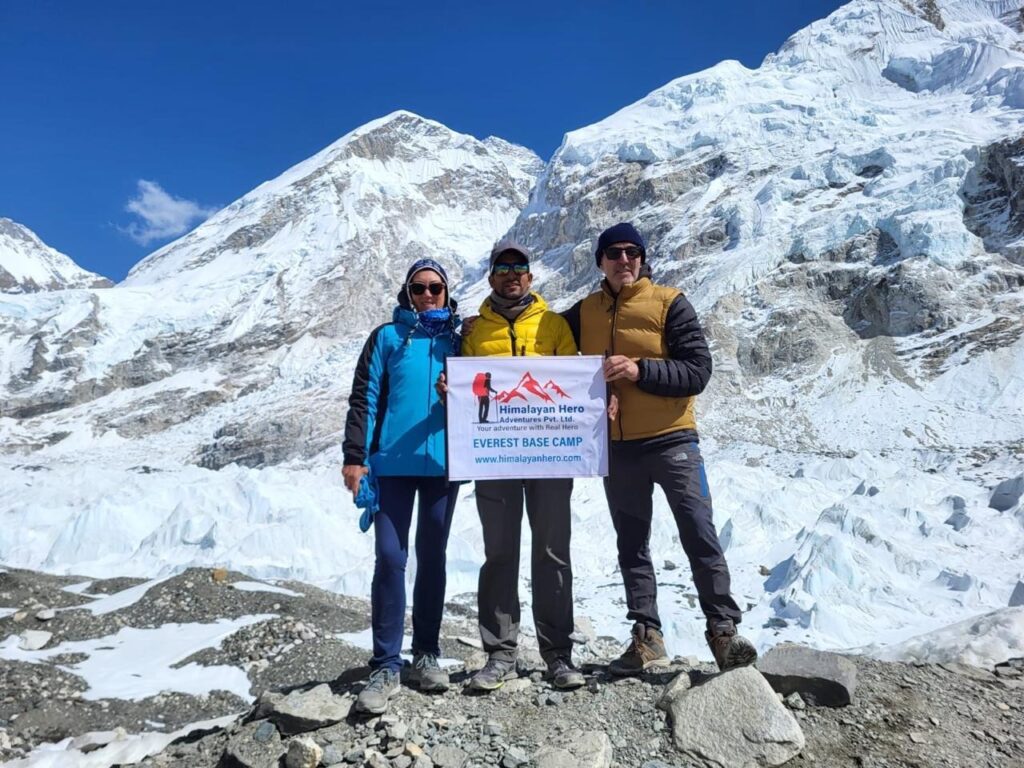
- Gorak Shep (about 5,160 m): the last overnight stop before Base Camp
- Everest Base Camp (about 5,364 m)
Highlights
- Sherpa culture: religious monks’ buildings, mani walls and towns that have helped mountaineers for years
- Mountain views: Ama Dablam, Lhotse, Nuptse and Everest
- Kala Patthar (about 5,545 m): the normal sunrise view, with a clearer Everest view than Base Camp
Altitude and difficulty
The trail is not complex. You need no ropes or climbing skills. The problem is height and distance. You walk five to seven hours a day. At Gorak Shep, the air has half the sea-level oxygen. Acclimatisation days are the most important part of the plan. Missing them increases the risk of altitude illness.
Who It Suits
- First-time Himalayan trekkers with good fitness
- Trekkers who want small houses, food, and a phone with the route
- People who want a well-known goal and a well-supported trail
Manaslu Circuit Trek: The Quieter, Wilder Alternative
The Manaslu Circuit Trek circles Mount Manaslu (8,163 m) from the Budhi Gandaki valley and over the Larkya La Pass. It sees many fewer trekkers than Everest, and the towns feel closer to Tibetan culture.
Route and Trek Length
Most journeys take 14 to 18 days:
- Drive from Kathmandu to the trailhead at Soti Khola or Machha Khola
- Follow the Budhi Gandaki River through valleys, forests, and bridges
- Samagaon (about 3,530 m): a high village with a monastery and an acclimatisation stop
- Samdo and Larkya Phedi: the last stops before the pass
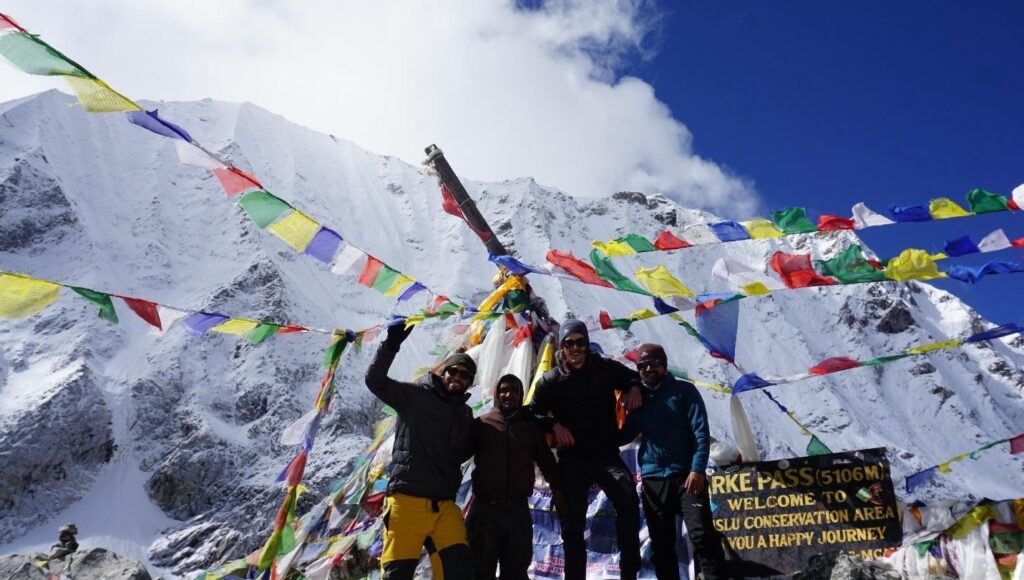
- Larkya La (about 5,100 m): the high point of the trek
- Descend to Bhimtang, then Dharapani, where the route meets the Annapurna Circuit road
Highlights
- Fewer crowds: the trail is quieter than the Khumbu
- Cultural variety: lower valley towns give way to high, Tibetan-influenced settlements
- Mountain scenery: Manaslu, Himalchuli and Ngadi Chuli, plus the long pass crossing
Permits and Restrictions
Manaslu is a limited area:
- A licensed guide is required. You cannot trek alone.
- A minimum group size applies; it takes two trekkers. An official trekking company issues the pass.
- Several permits are needed: a Manaslu restricted area pass, a protection area pass, and the Annapurna protection area pass for the last part.
Fees and rules change. Confirm them with your operator when you book.
Who It Suits
- Trekkers with multi-day experience who want a longer route
- People who pick quiet trails and basic houses over a busy, well-serviced route
- Anyone picking with long days and a high pass crossing
Everest Base Camp and Manaslu Circuit at a Glance
The Everest Base Camp trek is a 12–14 day teahouse trek to 5,364 m. It is known for Sherpa culture and Everest views. The Manaslu Circuit is a 14–18 day restricted-area trek over the 5,100 m Larkya La Pass. It is known for great views and fewer people.
| Everest Base Camp | Manaslu Circuit | |
| Typical duration | 12–14 days | 14–16 days |
| Highest point | Kala Patthar, about 5,545 m (Base Camp 5,364 m) | Larkya La, about 5,100 m |
| Start | Flight to Lukla | Drive to Soti Khola or Machha Khola |
| Crowd level | Busy in peak season | Quiet |
| Permits | National park and local permits | Restricted area permit, guide and group required |
| Facilities | Well developed, more choice of lodges | Simpler lodges, fewer services |
| Best for | First high-altitude trek | Experienced trekkers wanting solitude |
Best Time to Trek in Nepal
Both treks run best at two times in a year:
- Spring (March to May): warmer days, rhododendrons on lower trails and good views
- Autumn (September to November): stable weather, clear skies and the busiest trails
Monsoon (June to August) brings rain, leeches on lower sections, and cloud over the peaks. Winter (December to February) is cold, and snow can close high passes, especially the Larkya La.
Book spring leaves early. Lodge area and Lukla flight seats fill before peak months. Keep one or two extra days for weather waits, and for the Lukla flight.
Permits, Costs and Practical Planning
Useful planning for a Nepal trek means managing out four things before you pay for anything: the passes your route needs, if you will need a visa, what your package price is, and how you will stay connected. Doing this right early stops last-minute waits and surprise prices.
Trek Permits You Need
- Everest Base Camp: a Sagarmatha National Park pass and a local government pass for the Khumbu area.
- Manaslu Circuit: the limited area pass and conservation area pass. An official operator manages them.
Check Current Fees and Rules Before You Book. Both change sometimes
Nepal Visa and Entry Rules
Most nationalities need a Nepal visa, open on arrival or online. Indian citizens need no visa but should have valid photo ID.
What a Trekking Package Costs and Covers
A trekking package has:
- Passes, guide, and courier
- Housing and food during the trek
- Land transport and the Lukla flight for Everest Base Camp
It often has international flights, travel insurance, personal tools, drinks, hot showers, charging fees, and tips. Ask your operator for a written list of inclusions and exclusions.
Mobile Connectivity on the Trail
Coverage is limited in the main villages. Many clubs sell Wi-Fi by the hour. A local eSIM helps in Kathmandu and the lower areas.
I only added the small definition part under the H2. The H3s and their content are unchanged.
How to Prepare for a High-Altitude Trek
Preparing for a high-altitude trek means working on four things before leaving: your fitness, your acclimatisation plan, your gear and your insurance. Both the Everest Base Camp and Manaslu Circuit treks go above 5,000 m, so each of these matters.
Build Your Fitness
Start at least 8 to 12 weeks before:
- Cardio: three or four sessions a week, such as running, cycling or stair climbing
- Hiking practice: weekend walks with a packed daypack and the boots you will use on the trek
- Leg strength: squats, lunges and step-ups
Acclimatise and Recognise Altitude Sickness
Normal guidance above 3,000 m: gain no more than 300 to 500 m of sleeping height a day. Take a rest day every three to four days.
Know The Warning Signs:
- Mild: headache, sickness, poor sleep, dizziness
- Severe: confusion, loss of balance, breathlessness at rest, or a nonstop cough
Severe Symptoms Mean Descend at Once. Never climb higher with symptoms.
Pack the Right Gear
Pack in layers:
- Broken-in trekking boots and warm socks
- A down jacket, waterproof cover and bottom layers
- A sleeping bag rated for low temperatures, unless your operator gives one
- Sun safety, a headlamp, water cleansing and basic medical supplies
Get the Right Travel Insurance
Buy insurance that covers trekking to your maximum height and helicopter rescue. Many common policies stop at 3,000 or 4,000 m, so check the height limit before you pay.
I added only the short definition paragraph under the H2, as in the last area. The H3s and their content are unchanged.
How to Choose a Trek Operator
Ask any operator these questions before booking:
- How many years have your guides led this route?
- What is the group size, and what is the guide-to-trekker ratio?
- How do you manage altitude sickness? Does the guide carry oxygen and a first-aid kit?
- What is the acclimatisation plan, and does it have spare days?
- What does the price include and not include?
Conclusion
The Everest Base Camp trek suits trekkers who want a famous goal, good facilities and a well-supported route. The Manaslu Circuit trek suits those who want quiet trails, a harder challenge and a hidden feel. Both reward good preparation, good acclimatisation time and a good operator.
If you are ready to plan any route, Himalayan Hero Adventures can help with a guided journey, custom dates, and group sizes. You can explore the Everest Base Camp Trek and Manaslu Circuit Trek to see what you like.
How long does the Everest Base Camp trek take?
Most itineraries take 12 to 14 days, including acclimatisation days.
Is the Manaslu Circuit trek harder than Everest Base Camp?
It is usually considered harder: longer, more remote, with simpler lodges and a high pass crossing. Its high point is lower than Everest Base Camp, but the remoteness and daily effort make it more demanding.
Do I need a guide for the Manaslu Circuit?
Yes. It is a restricted area, so you need a licensed guide, a registered operator, and a minimum group size.
What is the best month for trekking in Nepal?
October and November have the most stable weather. March to May is the other main window.