
When you ask any professional movers what is the difficult part of moving out in San Francisco is hardly the packaging. It’s something else. For example: there are problems like access, steep streets, narrow doorways, stairs in older buildings, and curb space. If someone is moving long-distance, like to Los Angeles, and the truck has to drive for around 380 miles, if any delay happens at the loading point, it can ripple into the delivery schedule.
This requires a little preparation before heading out. Read the full blog to learn more.
Streets, Hills and the Truck
A full-size moving truck needs a place to stop, level ground to load safely, and enough space for the crew to carry items without stopping traffic. In many San Francisco neighborhoods, that means planning. Tell your mover about steep grades, one-way streets, tight turns, and low-hanging tree branches during the move, and mention anything unnecessary, such as a shared driveway or a loading zone shared with a business. If the truck cannot park close to your door, the crew may require a smaller shuttle vehicle or a longer carry, and both affect the time and the quote.
The city’s transit agency manages temporary no-parking signs for moving trucks, and these requests often need to be made well before moving day. Check the current lead time and requirements early, instead of the week of the move.
Stairs, Elevators and Narrow Doorways
Older San Francisco buildings usually have steep interior staircases and tight turns, and some units have no elevator at all. Measure large pieces for example sofas, wardrobes, and mattresses against doorways and stairwells before moving day, and tell your mover about anything that may require to be disassembled. In larger buildings, reserve the freight elevator and ask whether the management needs proof of insurance from the moving company. Crews that move in these conditions are always comfortable with protective floor and wall coverings, and good ones will bring them without being asked.
Packing for a Six-Hour Drive
A long-distance shift puts more stress on boxes than a local one. Use sturdy cartons in consistent sizes, keep heavy items, for example books and tools in small boxes, and fill empty space with paper so contents cannot shift. Wrap glassware and ceramics individually, and mark boxes with fragile things clearly on more than one side. Disassemble furniture where needed, and keep screws and hardware in labeled bags taped to the piece they belong to.
Items that need special handling include artwork, mirrors, electronics, and plants. Many people prefer to leave packing of the most delicate things to professionals, who can supply custom crating and the right materials.
Disassembly, Protection and Timing
Beds, desks, bookcases, and large tables shift faster and more safely when they are partly disassembled, and doing it the day before can save a crew a good amount of time. Keep a labeled bag of hardware with each piece. Protect floors and stair edges if the building needs it, and photograph furniture and walls before loading so the condition of the home is documented. Expect a complete loading day for a typical household, and avoid scheduling anything else, like a cleaner or a landlord inspection, in the middle of it.
Choosing a Crew That Knows the Route
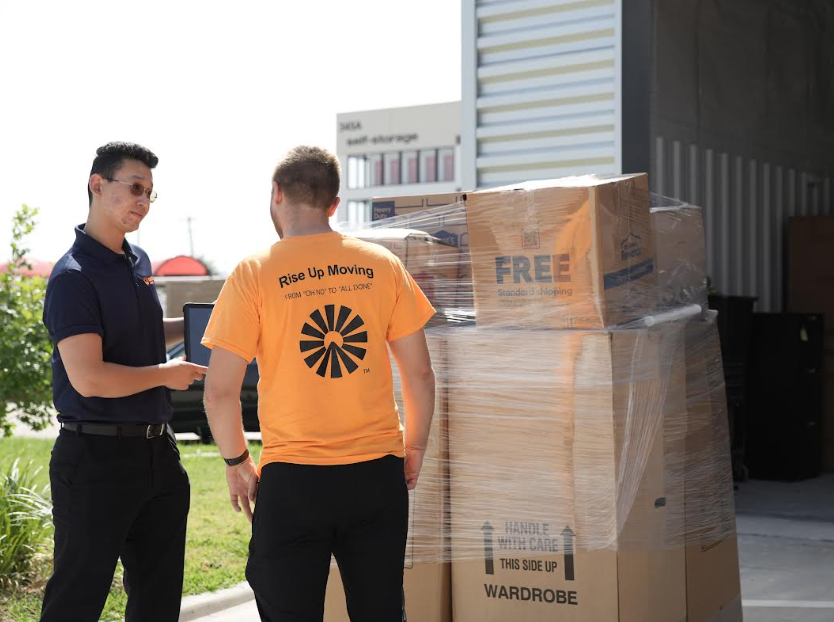
Experience on the San Francisco to Los Angeles corridor reveals itself in the small details: realistic timing for the drive, an understanding of building types in both cities, and a plan for the tight spots at both ends. Crews from companies such as Rise Up Moving, which offers premium care with transparent pricing and operates under both USDOT and California carrier credentials, walk through the home in advance and assess access, parking, and furniture placement before the truck is scheduled.
Whichever company you select, ask for the same information from each: permit and USDOT numbers, whether the estimate is binding, how the delivery window is defined, and how damage claims are managed.
Questions Worth Asking Before You Book
A good estimate conversation includes more than the number. Ask who will actually do the move, whether the crew members are employees, how the delivery window is explained, and what happens if loading takes longer than planned because of access. Ask also how protection for your things works: what is included by default and what higher levels of coverage are included. Clear, specific answers at this stage are one of the best predictors of a smooth day.
What to Set Aside Before the Crew Arrives
Pack a separate bag for the things you want within the first day or two: identification, medication, chargers, keys, basic toiletries, and a change of clothes. Keep essential documents and valuables with you. Clear pathways inside the home, eliminate rugs that could cause a slip, and make sure pets and children are somewhere safe and comfortable while the crew works.
Thinking About the Los Angeles End
Delivery has its own logistics. Confirm parking and elevator access at the new address, inform the building manager or homeowners association of your move-in date, and ensure someone with authority will be present to accept the delivery. If there is a gap between your move-out and move-in dates, ask your mover about luggage storage in transit so that your belongings are not left waiting on a truck.
Moving out of San Francisco rewards the people who plan for the city as it really is: steep, tight, and full of rules. Share the details early, confirm everything in writing, and the 380-mile drive south becomes the straightforward part of the job.
What are some important things to know before moving to San Francisco?
Some of the important things to know before moving to San Francisco are compact spaces and high costs.
What is the best month to go to San Francisco?
The best month to go to San Francisco is October because of its pleasant weather and less fog.
What is the coldest month in San Francisco?
January is the coldest month in San Francisco.