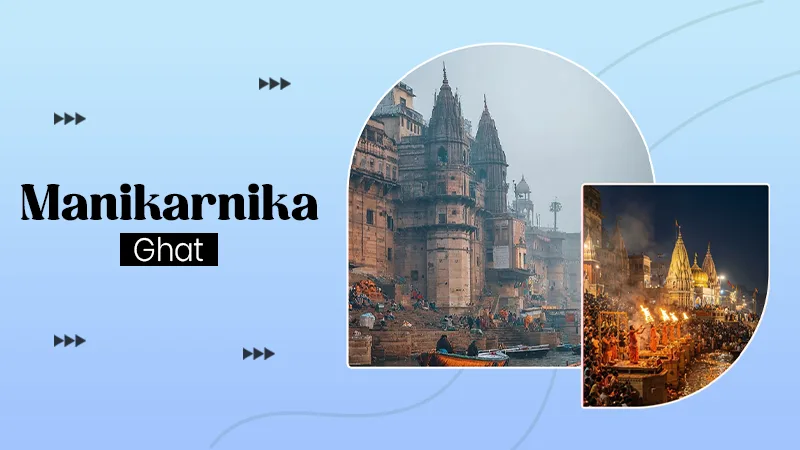
Manikarnika Ghat is one of the oldest and holiest ghats in the spiritual heart of Varanasi, India, the northern city of Uttar Pradesh. Some months ago, during my Varanasi visit, I went to this place where life and death intersect. Located near the Dasashwamedh Ghat, this cremation ghat provides an unfiltered look into the Hindu belief system around life, death and liberation (moksha).
This ghat is worth visiting in your Varanasi itinerary to get a glimpse of the Hindu last rites that honour the departed souls. In this article, I have included all the necessary information regarding the Manikarnika Ghat history, things to do here and nearby attractions to ensure your smooth and convenient journey.
History and Mythology of Manikarnika Ghat
Manikarnika Ghat’s history is as old as the city of Varanasi itself. As mentioned in the mythology, the ghat gets its name from the goddess Parvati’s earring (mani) that fell in the pond here. Furthermore, the cremation ground is mentioned in the Gupta inscription and has undergone multiple rebuilding and repair processes.
Take a look below to know the mythology and history of Manikarnika Ghat:
History of the Manikarnika Ghat Varanasi
Manikarnika Ghat is also referred to as mahashamshana (the grand cremation ground). It is mentioned in the Gupta dynasty inscription, dating back to the 5th century. In 1302-03 CE, two royal brothers constructed the permanent stone steps here. Before that, it served as a pilgrimage (Hindu tirtha) site surrounded by Manikarnika kund.
Under the reign of Bajirao Peshwa in 1730, the ghat underwent a significant rebuilding and structural repair. Furthermore, in 1791, the Maratha queen Ahilyabai Holkar undertook a complete rebuilding of the ghat. In 1965, the Uttar Pradesh Government also reconstructed and repaired the ghat to preserve its cultural integrity.
Mythology of Banaras Manikarnika Ghat
In Hindu mythology, it is believed that the goddess Parvati’s earring (mani) fell at Manikarnika Shakti Peeth while she and lord Shiva were bathing in the pool nearby. Lord Shiva dug a well, which is known as the Manikarnika kund and blessed it with divine sanctity.
Another Manikarnika Ghat story states that Lord Vishnu performed meditation (tapasya) at this place in a standing pose for 500,000 years to please Lord Shiva. Pleased with his devotion, Shiva appeared and settled here. Near the pond, a revered footprint is preserved, which devotees believe is that of Lord Vishnu left behind from the time when he was meditating on the site.
Timings and Entry Fees of Manikarnika Ghat
The Kashi Manikarnika Ghat is open 24/7 for visitors. The cremation rituals continue day and night at this place. It is best to visit the place early in the morning or in the evening for a calmer experience.
Avoid going during midday, especially in the summer, as the afternoon heat is intense. However, finding the boats during early morning or evening is hard due to high demand.
Additionally, there are no charges to enter or observe the rituals. Visitors are advised to maintain respectful behaviour as it is a highly sacred and solemn site.
Things to do in Manikarnika Ghat
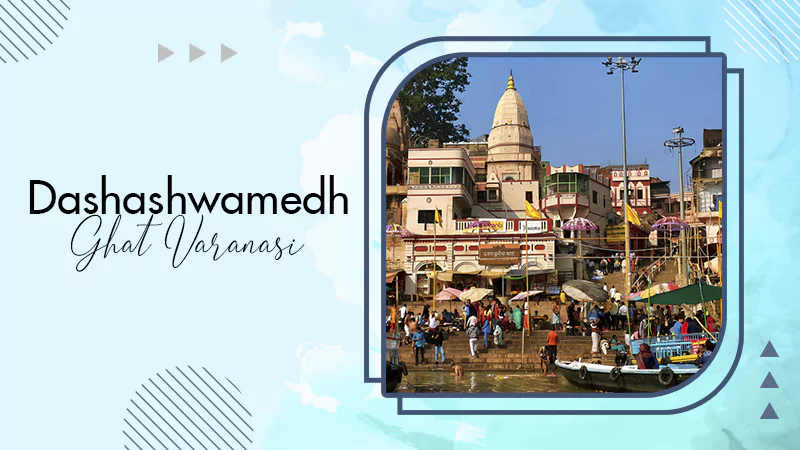
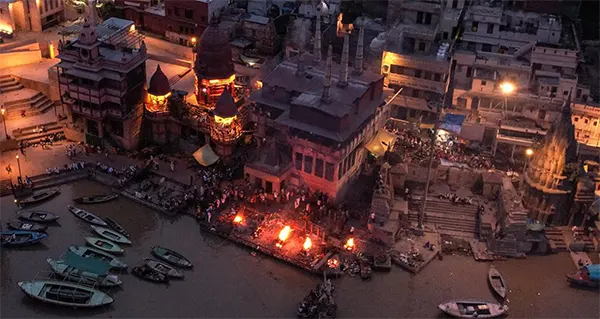
Situated near the Dashashwamedh Ghat Varanasi, Manikarnika Shamshan Ghat offers a deeply spiritual and cultural experience to the visitors. The northern part of the ghat is reserved for the bathing ritual, while the southern area is particularly for the cremation rituals. Adjacent to the ghat, there is an elevated platform that is for the death anniversary rituals.
Whenever you visit this place, witness and observe the rituals, take a walk through the old lanes of the city and attend Ganga aarti at Dashashwamedh Ghat.
1. Watch and Reflect on the Rituals
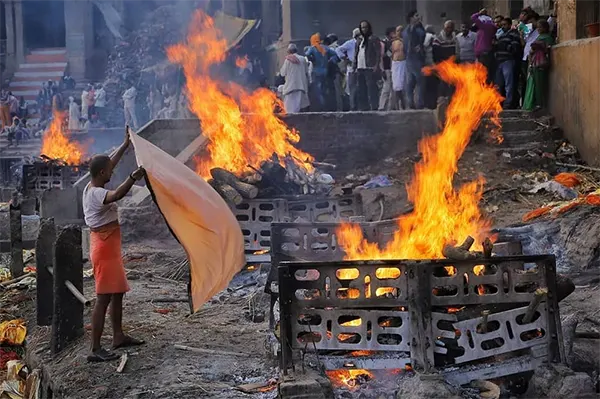
Take a glimpse and reflect on the cremation rituals from a distance and maintain silence. Do not take pictures and videos of the funeral pyre, as it is considered disrespectful. With this, you will get to witness the timeless customs and rituals of the Hindu religion.
2. Take a Sunrise or Sunset Boat Tour
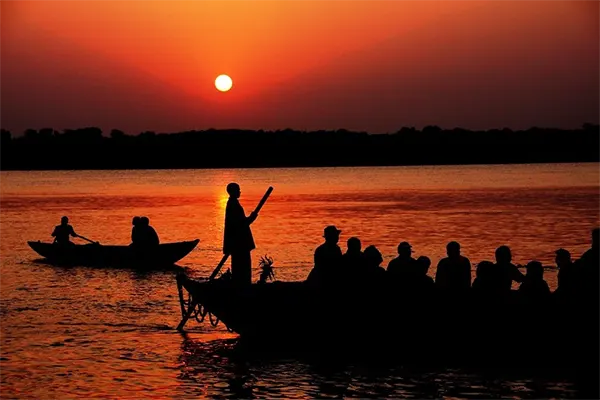
View the Manika Ghat from the sacred waters of the Ganges. Take a private sunrise to see the rituals performed, along with the stunning sunrise view. You can also go for a sunset boat ride to have mesmerising views along with the evening aarti ceremony.
3. Explore the Old City Lanes
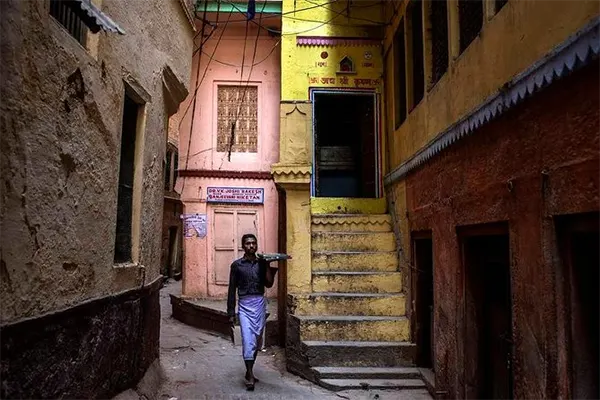
The narrow city lanes behind the ghat are worth exploring, which are called the soles of Varanasi. These bustling lanes are filled with shrines, flower sellers, and old houses that are so narrow that sunlight rarely reaches the ground.
Explore these streets on foot for the best immersive experience. You can also join a guided heritage walk to know the history and mythology of the place in detail.
4. Attend Ganga Aarti at Dashashwamedh Ghat
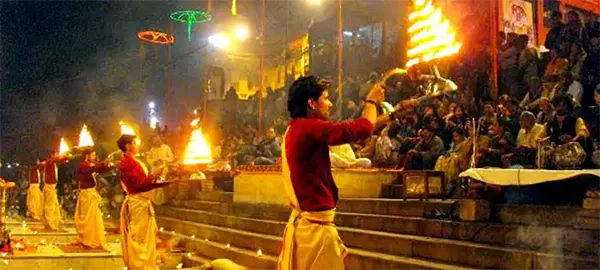
In the evening, head towards the Dashashwamedh Ghat and attend the Ganga aarti. The aarti starts at 7:00 pm in the summer and 6:00 pm in the winter and lasts for 45 minutes. Every evening, hundreds of people participate in this. It is a never-miss spectacle to experience the chants, lamps and fire offerings to the deity.
How to Reach Manikarnika Ghat
You can go to the Manikarnika Ghat by various transportation options. From the airport, railway station or bus stand, hire a taxi or rickshaw to reach the nearby points like Godowlia Chowk. The final stretch to the Manikarnika Ghat usually involves walking, as Varanasi has narrow lanes.
By Air
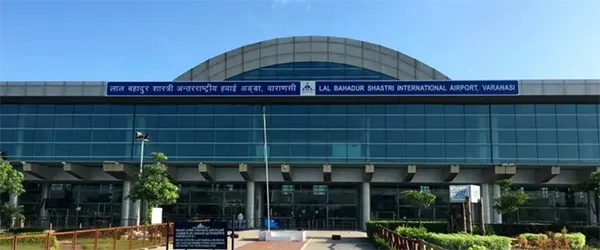
The nearest airport to the ghat area is Lal Bahadur Shastri International Airport, which is approximately 25-30 km away. After reaching the airport, you can hire a cab or take local transport to get to the Godowlia Chowk.
Let’s see the one-way approximate prices of the flights from the major cities:
- From Delhi: Approx. ₹3200 – ₹5700
- From Mumbai: Approx. ₹4600 – ₹6000
- From Bangalore: Approx. ₹4500 – ₹7500
- From Kolkata: Approx. ₹3500 – ₹6500
- From Chennai: Approx. ₹4500 – ₹7800
By Train
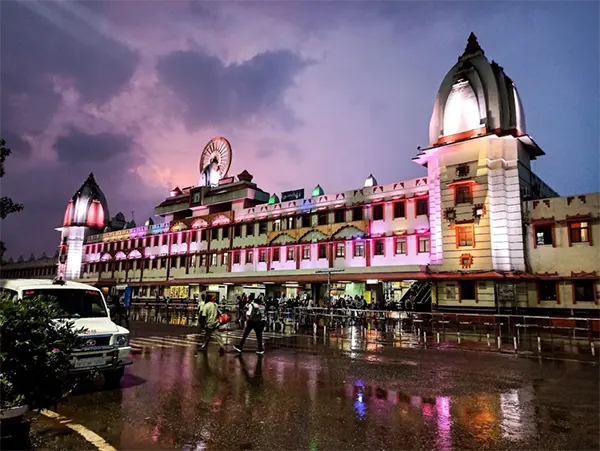
About 5-6 kms away, the nearest railway station is Varanasi Junction. At the station, you will easily get the e-rickshaw, auto or taxi to reach the nearby drop points. From there, you can go to the ghat on foot.
By Road
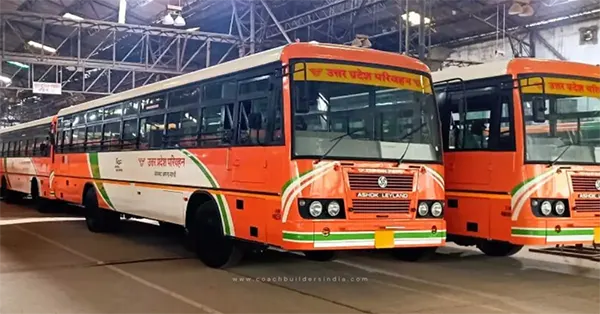
Varanasi is well-connected to the nearby cities through the national highways. You can reach the city easily by bus, private cab, or personal vehicle via the burning ghat road. The city has narrow lanes, so the vehicles cannot reach the ghat directly. You may need to walk a short distance to reach the final location.
Best Time to Visit Manikarnika Ghat
Kashi Ghat is one of the best places to visit in India in March. I went to the place in the winter months, and it provides comfortable, pleasant weather to explore the site and the nearby areas.
| October to March | This is the peak season, offering cooler weather for sightseeing and exploring the narrow alleys of Varanasi. |
| April to June | These summer months are extremely hot and humid in the area. It makes the day of exploration difficult for the travellers. |
| July to September | The monsoon season brings heavy rainfall. It is not the preferred time to visit the place, as the river water level can rise and the ghats can get slippery. |
Nearby Attractions to Manikarnika Ghat
Manikarnika Ghat is surrounded by some of Varanasi’s crucial historic and spiritual landmarks. In my Varanasi visit, I went to nearby attractions like Banaras Hindu University, Kashi Vishwanath Temple and Assi Ghat to get a glimpse of the religious significance and architectural brilliance of the area.
Here are the places that you can visit nearby:
1. Kashi Vishwanath Temple
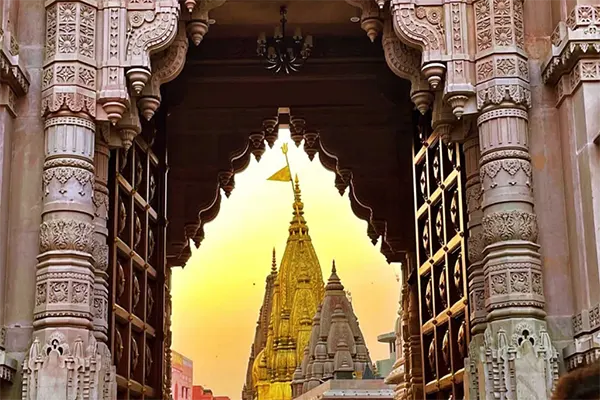
Kashi Vishwanath Temple is a Hindu pilgrimage site that is dedicated to Lord Shiva. It houses one of the 12Jyotirlingas of Lord Shiva on the western bank of the Ganga River. Located about 600 m away from the Manikarnika Ghat, the temple is also renowned as the “Golden Temple” for its heavy gold plating and rich history of resilience. Hindus believe that visiting this temple and bathing in the Ganga grants liberation (moksha).
- Location: Lahori Tola, Varanasi, Domari, Uttar Pradesh 221001
- Timings: 3 am to 11 pm
- Entry Charges: Free entry for general darshan (special darshan and priority passes are paid)
2. Assi Ghat
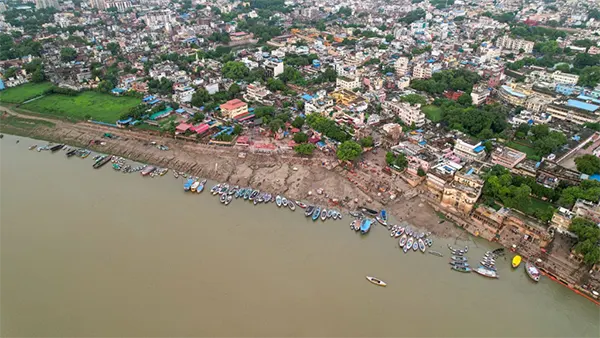
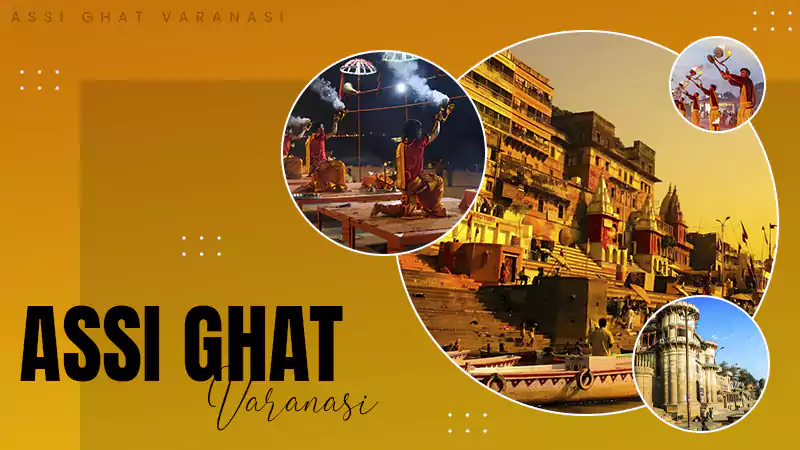
Assi Ghat Varanasi is a significant religious spot for Hindus where the river Assi meets the Ganga. The place is famous for its subah-e-banaras (morning of Banaras) program. It is a spiritual session including Vedic prayers and chants, followed by yoga and meditation. About 3.5 km from the Manikanta Ghat, it is located to the south of the city, away from the hustle and bustle, providing a tranquil environment for visitors.
- Location: Shivala, Varanasi, Uttar Pradesh 221005
- Timings: Accessible 24/7
- Entry Charges: Free entry
3. Banaras Hindu University
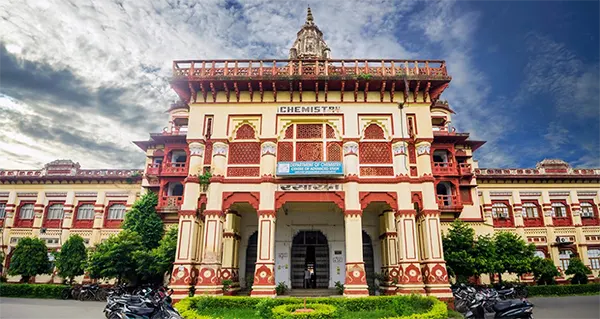
Banaras Hindu University is one of the most prestigious universities in India. The main campus covers a huge area of about 1300 acres having greenery, a temple and well-maintained roads. It is located at a distance of about 6-7 km from the Kashi Samsan Ghat. The campus also has a reputed Bharat Kala Bhawan museum with a great and valuable collection of Indian art.
- Location: Ajagara, Varanasi, Uttar Pradesh 221005
- Timings: Accessible throughout the day
- Entry Charges: Free (the museum inside needs separate charges)
4. Scindia Ghat
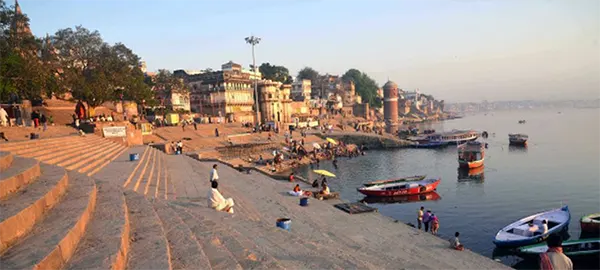
Scindia Ghat is another ghat in Varanasi situated at a distance of 210-450m from the Manikarnika Ghat. It is one of the best places to visit in October in India. The place carries historical and cultural importance due to its connection to the Scindia family. Dedicated to Lord Shiva, it is one of the most tranquil places to visit in the city for early morning contemplation and evening views.
- Location: Dattatreya math, Sindhia ghat, Varanasi, Uttar Pradesh 221001
- Timings: Open 24/7
- Entry Charges: Free entry
5. Dhamek Stupa
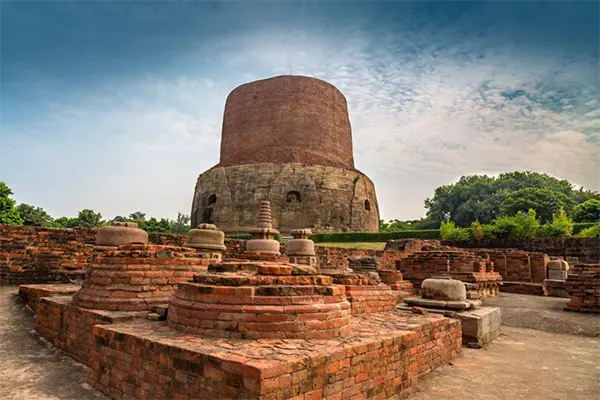
As a symbol of Buddhist heritage, the Dhamek stupa is the place where Buddha gave his first teaching to his five disciples. Located in Sarnath, the site is about 10 km away from the Kashi Samshan Ghat, which attracts many pilgrims and travellers with its storied past.
Visit this place to see the majestic stupa that is approximately 128 feet tall and adorned with intricate carvings. Its praiseworthy architecture is representative of the Gupta era craftsmanship and skill.
- Location: Dhamekh Stupa, Sarnath, Varanasi, Uttar Pradesh 221007
- Timings: 6 am to 5 pm
- Entry Charges: ₹ 25 for Indians, ₹ 300 for foreigners
6. Sankat Mochan Hanuman Temple
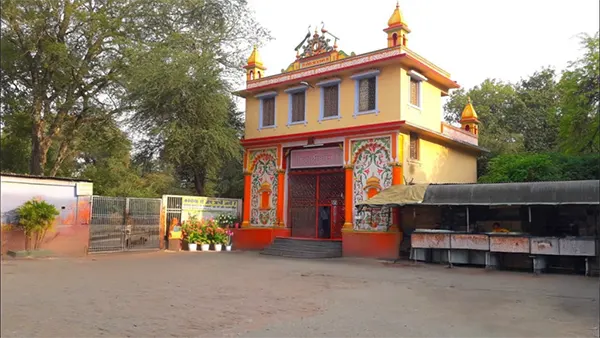
Sankat Mochan Hanuman Temple is near the Assi River, about 5 km away from the Manikarnika Ghat. It is dedicated to Lord Hanuman and considered one of the most sacred sites of the city.
In the 16th century, the temple was designed by Shri Goswami Tulsidas Ji. It is especially crowded on Tuesdays and Saturdays when devotees come to take the blessings of the deity.
- Location: Durgakund, Jawahar Nagar Colony, Bhelupur, Varanasi, Uttar Pradesh 221005
- Timings: 4:30 am to 12:00 pm and 3:00 pm to 10:00 pm
- Entry Charges: Free entry
Quick Tips for the Manikarnika Ghat Visit
As it is a deeply solemn place, visitors are advised to follow some tips to explore the site respectfully. Whenever you visit the cremation site, wear modest clothing, and don’t take pictures of the funeral pyre. Furthermore, maintain distance and avoid interfering with the mourning families.
- As it is an active cremation ghat, photography and recording are considered highly disrespectful. You can photograph the surroundings and the river from a distance, but avoid it near the active areas.
- Stand back and maintain a distance from the funeral pyre and grieving families, and avoid blocking pathways.
- Dress modestly, wear clothes that cover the shoulders and knees.
- Maintain silence and do not disturb the rituals with loud phone calls or laughing, as it is a deeply emotional place.
- Hire a guide or take a walking tour to know the history and mythology of the place in detail.
- Only deal with verified guides and operators, and beware of scammers. Be cautious of the people asking for donations or unsolicited guidance
Final Thoughts
Manikarnika Ghat visit is not just about sightseeing; it’s a profound experience where death meets divinity. This burning ghat Varanasi is quite unlike anywhere else in India, carrying an unmatched spiritual aura.
Whenever you visit Varanasi, go to this ghat and observe the rituals. Furthermore, take the boat ride for an eye-pleasing sunset, explore the city lanes and combine the visit with nearby landmarks. If you are interested in Indian culture and rituals like me, then this is the must-visit destination for you.
Where is Manikarnika Ghat located?
Manikarnika Ghat is located in Varanasi, the spiritual heart of India. It is one of the most significant cremation ghats in Varanasi.
What are the timings of Manikarnika Ghat?
The site is open 24 hours a day for all seven days of the week. The funeral rituals take place continuously day and night.
Why are women not allowed in Manikarnika Ghat?
Traditionally, women are discouraged from participating in the cremation processes in the ghat. The reasons are rooted in old customs and the emotional trauma of the rituals.
What is the mystery behind Manikarnika Ghat?
The mystery of the ghat lies in its status as the ultimate gateway to liberation (moksha) and its eternal fire.
Are there any entry fees for Manikarnika Ghat?
No! Visitors can access the ghat for free without any fees.