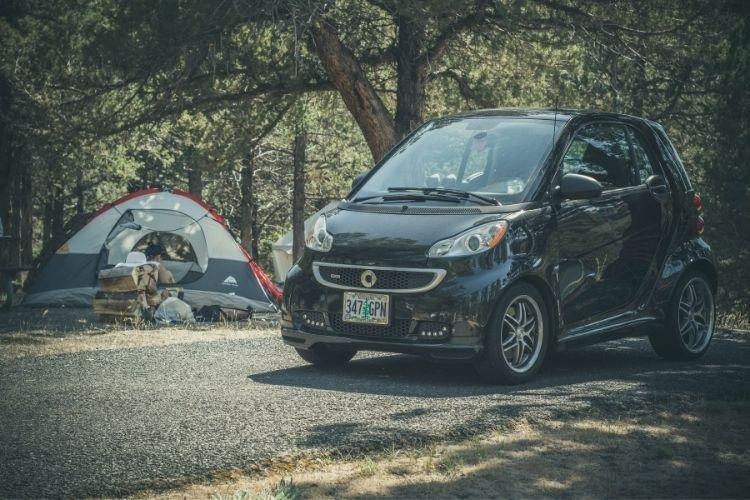
Camping is a great way to take a break from everyday life, but fitting all your gear into a small car can be a challenge. Tents, sleeping bags, cooking tools, and food can quickly fill up the trunk. Before you know it, you’re trying to fit bags between the seats and deciding what you can leave at home.
The good news is that you don’t need a big SUV to enjoy a fun and comfortable camping trip. Picking gear that folds easily, takes up less room, or serves more than one purpose can save plenty of space without leaving behind the things you need.
Here are five useful space-saving camping accessories to consider before your next road trip.
1. Compact Folding Camping Chairs
Camping chairs might look like a luxury when you’re short on space, but having somewhere comfortable to relax makes a difference after a long hike or drive. Traditional folding chairs can be difficult to pack. Their long frames and bulky carrying bags often leave less room for other equipment. Compact camping chairs solve this problem by folding into much smaller packages.
For example, the Ozzi Gear Outdoor Chair is designed for getting carried, with a folded length of approximately 35 cm and a weight of around 1.7 kg, according to the manufacturer’s website. Its frame also eliminates the need to assemble separate poles. You can find this style of compact outdoor seating at ozzigear.com, alongside other portable camping furniture.
What to Look for in a Compact Camping Chair
Before buying, consider the following:
- Packed dimensions: Check the chair’s folded length and width rather than depending on photographs.
- Weight capacity: Make sure the frame supports the intended user’s weight.
- Seat comfort: A supportive backrest matters if you’ll be sitting for several hours.
- Setup time: Chairs with connected frames are generally easy to assemble.
Ozzi Gear is one option for campers prioritising compact seating, but it’s worth comparing several designs. Some ultralight chairs have low seats that may be uncomfortable for taller campers or people with limited mobility.
Best for: Weekend camping, fishing trips, beach outings, and travellers who want comfortable seating without transporting full-sized chairs.
2. Inflatable Sleeping Pads
A heavy air mattress can take up an insane amount of boot space, especially when it needs a separate electric pump. Inflatable sleeping pads offer a more easy alternative. Unlike traditional mattresses, many camping sleeping pads roll down into tiny storage bags. Some use built-in inflation systems or pump sacks, reducing the equipment you are required to carry.
They also serve one more important purpose: insulation. According to Knapp and Bastone (2026), sleeping pads provide cushioning and help lessen the heat loss to the ground. Their insulation performance is measured using an R-value, with higher numbers reflecting greater resistance to heat transfer.
Choosing the Right Sleeping Pad
Consider the conditions you’ll be camping in:
- Warm weather: Pads with R-values below 2 may be suitable.
- Cooler conditions: R-values between 2 and 3.9 provide greater insulation.
- Cold weather: Consider an R-value of 4 or higher.
These are general guidelines rather than guarantees of sleeping with ease. Your sleeping bag, clothing, and average temperatures also matter. Inflatable pads pack particularly small, although they can puncture. Carrying a repair kit is a great precaution. Self-inflating pads often offers additional cushioning but usually occupy more storage space.
Best for: Couples travelling in small cars, solo campers, and anyone looking to change a bulky air mattress.
3. Nesting Cookware Sets
Cooking equipment is one of the easiest ways to save space. Packing separate pots, pans, mugs, and utensils can quickly fill an entire storage box. Nesting cookware answers this by letting several items fit inside one another.
A typical nesting set might include a saucepan, frying pan, removable handle, and compact bowls. Some designs also fit small cooking utensils inside the largest pot. REI Co-op’s (2018) family camping checklist identifies cookware, utensils, and cooking equipment among the practical items needed for campsite meal preparation.
Features Worth Considering
Look for cookware with separable handles, durable materials, and lids that fit securely. Aluminium cookware is generally lightweight and warms up quickly, while stainless steel tends to resist scratches and dents better. Neither material is automatically the best choice for every camper. It’s also worth checking whether the cookware is compatible with your camping stove.
For additional space savings, plan meals around one-pot cooking. Pasta, soups, curries, and simple rice dishes can all be prepared without transporting a full kitchen setup.
One important precaution: never run a fuel-burning camping stove inside a car or enclosed tent. Carbon monoxide and fire hazards make proper ventilation and outdoor use important.
Best for: Campers preparing their own meals, couples travelling on a budget, and anyone with limited kitchen storage.
4. Collapsible Water Containers
Water is unavoidable on a camping trip, but old-school rigid containers can take up valuable room even after they’re empty. Collapsible water containers give a practical solution. Made from flexible materials, they can be flattened or folded when not in use.
For small-car camping, this means you can carry a suitable water supply without having to transport different bulky empty bottles home. However, collapsible containers aren’t perfect enough. Flexible walls can make them difficult to fill or pour from, particularly when they’re nearly full.
How to Choose a Reliable Water Container
Choose containers required for drinking water, with suitable seams and secure caps. A wide opening can make cleaning easier, while a built-in tap is useful for washing hands or filling smaller bottles.
Think of carrying two smaller containers instead of one large one. They’re often easier to carry around the boot and lift when full. Don’t think your campsite will have safe drinking water. REI Co-op (2018) recommends bringing water or having an appropriate treatment method when a reliable drinking-water supply isn’t available.
Remember that collapsible containers only save space when empty. You still need to allow room for the water you’ll take to the camp.
Best for: Remote campsites, weekend getaways, and travellers who want flexible water storage.
5. Foldable Storage Crates
Even the most precise camping equipment can become difficult to carry when everything is packed loosely. Foldable storage crates help organise smaller items while making better use of the available boot space.
Unlike soft bags, rigid-sided crates can give structure and keep cooking utensils, food supplies, and camping accessories together. Collapsible models fold down when empty, making them easier to carry between trips.
Make the Most of Your Storage Space
A sensible approach is to divide equipment into categories. Use one crate for cooking supplies, another for dry food, and a third for constantly used items such as torches, chargers, and first-aid supplies.
Choose crates that fit your vehicle’s boot dimensions. Measure the width, depth, and height of the available space before buying. Avoid keeping heavy containers where they could shift during sudden braking.
The National Highway Traffic Safety Administration (n.d.) advises drivers to secure cargo properly and avoid overloading vehicles. Its guidance is particularly relevant when transporting camping equipment on long road trips.
Best for: Family camping, multi-day road trips, and travellers who regularly transport smaller camping accessories.
Conclusion
Camping with a small car doesn’t mean giving up comfort or leaving useful equipment behind. Less seating options from brands like Ozzi Gear are a good example of how thoughtful gear choices can help you make better use of less boot space. Inflatable sleeping pads, nesting cookware, collapsible water containers, and foldable storage crates also make packing easier.
The easiest way is to consider how much space each item occupies when packed, how frequently you’ll use it, and whether it serves more than one purpose. With the right accessories and a little planning, even a modest hatchback can carry everything you need for a memorable weekend outdoors.
What are the best space-saving camping accessories for small cars?
Collapsible cookware, compression packing bags, foldable camping chairs, compact sleeping bags, and soft-sided storage organizers are excellent choices. They help reduce clutter and make the most of limited boot space.
How can I fit all my camping gear into a small car?
Use compression bags for clothing and bedding, stackable containers for kitchen supplies, and foldable equipment wherever possible. Pack heavier items securely at the bottom and keep essential items easy to reach.
Are space-saving camping accessories worth buying?
Yes, they can make camping trips more comfortable by reducing clutter, improving organization, and leaving more room for passengers. Choose lightweight, durable accessories that fold flat or serve multiple purposes to get the most value from your available space.