To plan an all-inclusive Egypt vacation, choose a Red Sea resort for beach and relaxation or a Nile cruise package for history, verify entry and visa requirements, confirm what your package covers, and book excursions and transfers in advance.
All-inclusive Egypt vacation packages in the sightseeing sense are built around a route and a schedule, with the major costs of the journey settled before arrival. What is covered varies, so it helps to know the usual components and what tends to be left out, such as international flights, travel insurance and personal spending.
What All-Inclusive Means in Egypt
There are two main meanings, and combining them is a common source of disorder.
Resort comprehensive: at beach resorts on the Red Sea, in places such as Hurghada, Sharm el-Sheikh and Marsa Alam, the rate usually covers lodging, meals, snacks and drinks, often with some activities. The focus is on staying in one place.
Sightseeing comprehensive, on a touring itinerary, the term usually describes a package of services arranged for the whole trip. Typical inclusions are lodging, transfers and transport between cities, a licensed guide, entrance fees for the recorded sites and, on a Nile cruise, full-board meals on the ship.
What is normally left out deserves just as much attention: international flights, visa fees, travel insurance, tips, optional outing and drinks outside of meals. Always read the schedule line by line, because two trips with the same stamp can cover different things. Egy Vacations arranges its touring packages with these inclusions spelled out in the schedule.
Choosing Destinations
Most first trips combine a few core terminals, and each has a different character.
Cairo and Giza. The pyramids, the Sphinx, the Grand Egyptian Museum and Islamic Cairo make this the natural initial point. Allow at least two to three days.
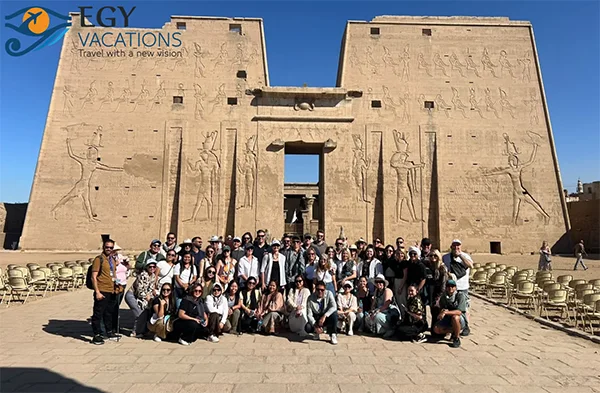
Luxor. Often explained as an open-air museum, it holds Karnak, Luxor Temple, the Valley of the Kings and the Temple of Hatshepsut, circulate across both edges of the Nile.
Aswan and Abu Simbel. Aswan is gentler and more Nubian in feel, with Philae Temple and a river spotted with feluccas. Abu Simbel, about three hours south by road, is normally an early-morning trip.
A Nile cruise. Between Luxor and Aswan, a sailing of three to four nights links the temples of Edfu and Kom Ombo and combines accommodation, meals and sightseeing in one schedule.
Alexandria. A long day trip from Cairo, it offers a Mediterranean city with Greek and Roman history.
The Red Sea. Beach resorts suit travelers who want a few peaceful days at the end of a sightseeing trip.
Matching Trip Length to Destinations

The number of days you have determines how many of these destinations you can fit in.
- Seven days covers Cairo, Luxor and Aswan, with household flights between them and little time left.
- Ten days adds a Nile cruise and Abu Simbel, which is where the route begins to feel fair.
- Fourteen days permits time for Alexandria, extra days in Cairo and Luxor, and a few days at the Red Sea to finish.
A useful rule is to avoid altering hotels every night. Fewer bases and longer stays make for a more serene trip.
When to Go
The most comfortable months for touring are October to April, when days are warm and evenings are fashionable. From May to September, temperatures in Upper Egypt frequently pass 104°F (40°C), so touring shifts to early mornings. The Red Sea stays warm through the year, which makes it a sensible choice for a summer beach stay.
Peak demand falls around Christmas and New Year, so cottages and hotels fill early. Ramadan, the dates of which shift each year, changes opening hours and the daily tempo in cities, so it is worth checking the calendar when deciding dates.
Planning the Practical Details
A few practical items are best determined early.
- Passport and visa. Check that your passport has enough remaining validity for entry, and confirm the current visa rules for your nationality well before parting.
- Travel insurance. Choose a policy that covers medical care and trip changes, since flights and sailing dates are usually fixed.
- Health preparation. Consult a doctor or travel clinic before you go, especially if you have any medical conditions.
- Money. The national currency is the Egyptian pound. Cards work in hotels and larger restaurants, but cash is useful for tips, taxis, and markets.
- Connectivity. A local SIM or eSIM makes it less complicated to use maps and ride-hailing apps in Cairo.
Travel Tips That Make a Difference
Some habits help more than any schedule detail.
- Start early. The first hours at the pyramids and in the Luxor temples are cooler and softer, and the light is better for photographs.
- Defend yourself from the sun. Carry a hat, sunscreen, and a reusable bottle, and stay moisturized.
- Drink bottled water and be careful with ice and raw salads if your stomach is sensitive.
- Dress simply at mosques and churches, with shoulders and knees covered.
- Carry small notes for tips. Leaning, often called baksheesh, is part of everyday life, and small bills make it easier.
- Check photography rules at each site, since some locations restrain tripods or flash.
- Keep copies of key documents individually from the originals.
Questions to Ask About Any Package
Before booking anything labeled comprehensive, a few questions clarify what you are actually getting.
- Which meals are included, and which are not?
- Are entrance fees for every cataloged site covered, or only some?
- Is the guide a licensed Egyptologist, and is the trip private or in a group?
- What type of hotels and Nile ship are included, and in which locations?
- What happens if flights or timings change throughout the trip?
- What is the cancellation policy?
Clear answers are a good sign. Unclear ones are worth perceptive.
The Bottom Line
Preparing an all-inclusive Egypt vacation comes down to a few decisions: what kind of all-inclusive you want, which station to combine, how long to stay, and which details to settle before you leave. Once those are clear, the rest is about pacing and readiness. Egypt rewards travelers who arrive systematically and leave themselves time to enjoy it.
Is food and water safe at all-inclusive resorts?
Reputable 4-5 star resorts generally follow strict food hygiene, though freshly cooked dishes are a safer bet. Avoid tap water, even for brushing your teeth, and stick to sealed bottled water.
Do I still need to tip at an all-inclusive resort?
Yes, tipping is customary even when meals and drinks are pre-paid. Small amounts in local currency or USD are commonly given to housekeeping, bartenders, servers, and drivers.
What should I know about dress code and local customs?
Dress modestly outside resort pools and beaches, especially in cities, markets, and religious or historical sites. Expect persistent vendors at tourist sites and haggling in markets; a polite “La shukran” helps.