
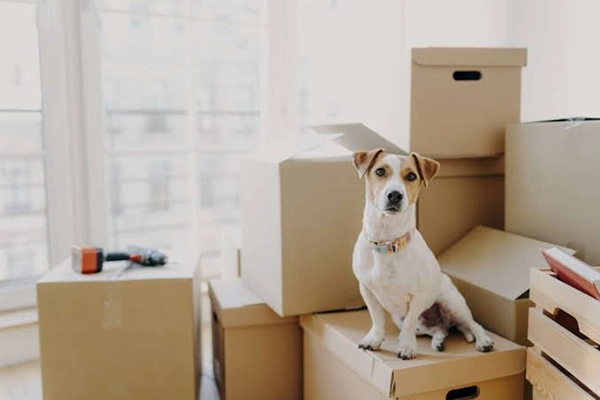
Moving to a new home is exciting for sure, but your pets probably won’t see it that way at first.
Dogs, cats, and other household animals depend on familiar surroundings and routines, so a big move can be the reason for confusion and stress for them.
Remember that your pets need a moving plan too; consider the tips to keep your pet calm during travel if you are planning a long-distance relocation. A little preparation can make the transition much easier for everybody involved.
Prepare Your Pet Before Moving Day
Don’t wait until the last second to introduce your pet to changes. Packing boxes, rearranging furniture, and moving supplies around can already make familiar rooms feel strange.
Start gradually. Leave a few boxes around so your pet can investigate them, and introduce travel carriers well before the major move.
Useful Insights
If your pet gets specifically anxious during travel or unfamiliar situations, talk to your veterinarian beforehand. They can recommend the best strategies based on your animal’s health and temperament.
For cats, placing treats or familiar bedding inside the carrier can help make a more positive association. Try to maintain regular feeding, walking, and play schedules. Animals often find comfort in predictable routines, even when everything else is shifting.
Create a Safe Space During Packing and Loading
Moving day can be chaotic. Doors stay open, furniture disappears, and crowds are constantly walking through the house.
That’s a risky combination for a nervous animal. Set aside a quiet room where your pet can stay away from the activity. Include familiar bedding, water, food, toys, and a litter box if required.
Put a clear sign on the door so nobody accidentally lets your pet out. If accessible, have a trusted family member stay with them while the movers work.
For especially nervous animals, another safe approach can be spending the day with a familiar pet sitter or at an appropriate boarding facility. A simple but important rule: pets shouldn’t be loose around moving equipment, open doors, or heavy furniture.
Keep them away from active loading areas. A crew that moves this route often, like dependable movers from Los Angeles to San Diego, can plan the loading around a quiet room so your pet stays clear of the activity.
Plan Transportation Around Your Pet’s Needs
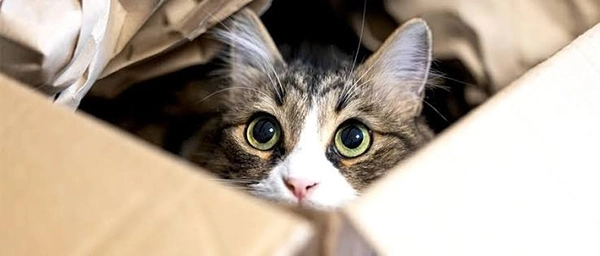
Different animals have various travel requirements. A dog might be comfortable in a properly secured vehicle crate, while a cat may need more time and patience to adjust to its carrier. Select an appropriate, well-ventilated carrier or restraint system.
Make sure your pet has enough room to remain comfortable and that the setup is good for the journey.
For longer drives, plan appropriate breaks for dogs to drink water, stretch, and relieve themselves.
Cats usually travel more safely inside their carriers rather than being taken out at roadside stops. Never leave an animal unattended in a parked vehicle, particularly in Southern California’s heat. Temperatures inside cars can rise dangerously fast.
If you’re traveling with birds, reptiles, or other specialized pets, research their temperature, ventilation, and transport essentials in advance. Your veterinarian can help you plan for species-specific needs.
Keep Essential Supplies Within Reach
Pack a separate pet travel bag including the best type of pet food for travel rather than burying everything inside the moving truck. Include:
- Regular food and bottled water.
- Medication and relevant veterinary instructions.
- Food and water bowls.
- Leashes, harnesses, and waste bags.
- Litter, a portable litter tray, or other necessary supplies.
- Familiar blankets, toys, and bedding.
- Vaccination records and emergency contact information.
Keeping these items accessible means you won’t be digging through several boxes looking for a bag of dog food after a long day.
Also, make sure your pet wears an identification tag with updated contact information. A microchip is another valuable safeguard, provided its registration details are up to date.
Help Your Pet Settle Into the New Home
Once you arrive, control the temptation to let your pet explore the entire property immediately.
- Start with one quiet, secure room containing familiar belongings.
- Arrange their food, water, bedding, and litter area before gradually introducing other spaces.
- Keep doors and windows secured, especially during the first few days. An unfamiliar environment can make even generally well-behaved pets more likely to wander.
- Try to restore familiar routines as quickly as possible. Consistent feeding times, walks, play sessions, and bedtime habits help establish a sense of normality.
- Watch for changes in appetite, behavior, or bathroom habits.
Some temporary nervousness is understandable, but persistent or concerning symptoms deserve a conversation with your veterinarian.
Update Identification and Veterinary Records
A new address means a few administrative shifts, too. Update your pet’s microchip registration, identification tags, and veterinary contact information. If you’re moving to another city, verify a local veterinary clinic before an emergency happens.
Transfer vaccination records and medication data if you’re changing veterinarians. It’s also worth checking local licensing and animal registration requirements.
Don’t leave this until months after the move. If your pet gets lost during the adjustment period, up-to-date identification can make all the difference.
Make the Move Easier for Everyone
Moving with pets requires a little extra organization, but it’s absolutely manageable. Prepare them gradually, maintain familiar routines, arrange safe transportation, and allow them time to explore their new surroundings.
Your pet doesn’t care how fast you unpack the kitchen or assemble the furniture. They just want to know their people are nearby and everything is going to be okay.
Get the essentials set up first, give them a familiar corner to call their own, and let the adjustment happen at their pace. That’s a better way to start life in a new home—for humans and animals alike.
How to know if the pet is stressed or confused?
Pets show several signs if they are uncomfortable, confused, stressed, or facing a problem; these signs can include not eating properly, being distant, and resting more than usual.
What are the tips while moving with pets?
Ensure a comfortable place where your pet can sleep and sit while moving, prepare pet food and keep it with you, and plan a few stops to let your pet relieve itself.
When to let a pet explore a new house?
Let your pet explore your new home after arranging water, food, their bedding, and a place that will be your pet’s permanent spot.