
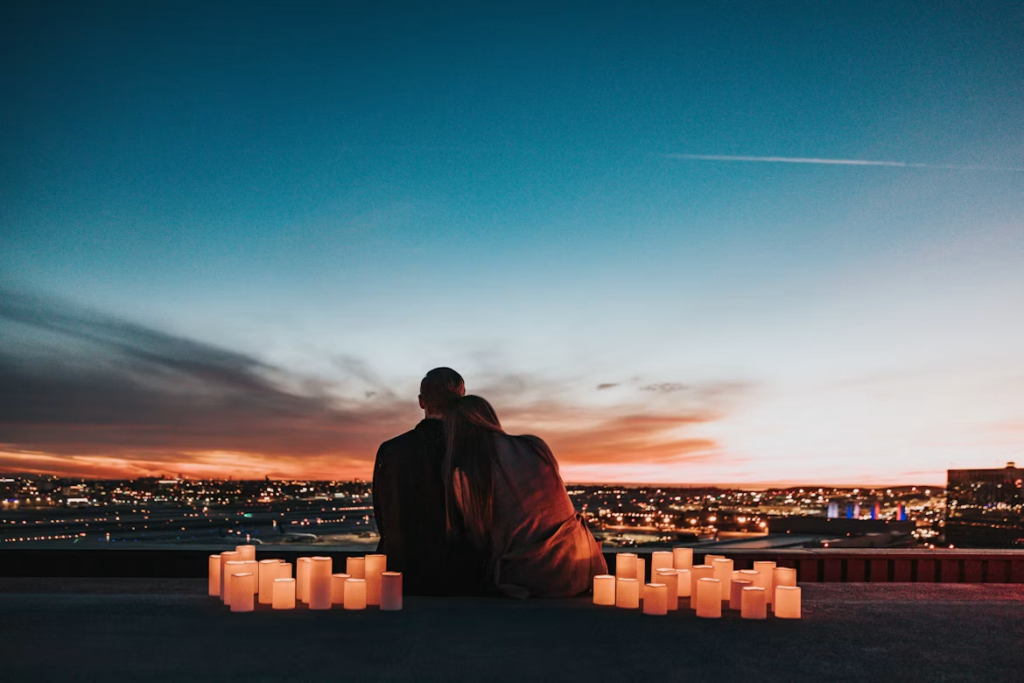
A vacation with your partner, away from the day-to-day life and stress. A vacation is something special and important. And every couple has the right to have a good one. But some things can get in the way and ruin it
Tourist Traps are one of, if not the biggest issues of travelling; you don’t know the place or the prices, and so you get tricked into buying expensive stuff or visiting popular places that are always crowded. Nobody wants to waste their time and money.
Here are way for you to plan a safe couple’s vacation.
Choose Experiences Over Famous Attractions
Before picking a destination or filling an itinerary, talk about what each of you wants from the vacation. You may like slow mornings, scenic walks, and local food, while your partner may be excited by museums, nightlife, hiking, or cultural activities. Seeing the overlap early helps you avoid planning a trip around things neither of you truly cares about.
A destination that caters to the expectations of both partners makes sense. A Napa Valley honeymoon, for example, is a great option for couples looking for a relaxed, unhurried escape. At the same time, if one of you likes adventure, you can try boating, kayaking, paddleboarding, or hot air balloon rides here.
Napa Valley Balloons shares a 3-5-day honeymoon itinerary that has the best of everything at the destination. You can enjoy wine tastings, golden-hour drives, local dining, mud baths, and balloon rides to make the trip memorable.
Rather than making your entire vacation around the city’s most photographed landmark, look for experiences that reflect your shared interests. If you both love food, consider a neighborhood market, a small-group cooking class, or an independent restaurant known for regional dishes. If you enjoy nature, seek out coastal trails, local parks, bike routes, or scenic day trips.
Research When and Where To Go
Timing determines whether a couple’s vacation feels relaxing or overwhelming. Peak travel season is not advised as it often brings higher housing prices, crowded streets, and long waits at attractions. Traveling during the shoulder season, only before or after peak periods, can offer favorable weather, lower prices, and fewer tourists.
NerdWallet offers some fun facts about travel timing. Skyscanner’s 2025 Smarter Summer Report highlights that one-third of Americans were preparing off-peak vacations, with Gen Z leading the way. This time may differ based on the destination. In beach towns, early June or September is the shoulder season, while ski resorts may hit it just after New Year’s.
Research the destination’s busiest periods before reserving. Some cities are most packed during school holidays, major festivals, cruise-ship arrivals, or public holidays. Looking at local calendars can help you avoid coming during an event that doubles hotel prices or makes transportation difficult. You may not get the privacy you want.
Where you stay matters just as much as when you travel. Hotels in the main tourist district may be convenient, but you may see souvenir shops, chain restaurants, and late-night crowds here. Consider staying in a nearby residential neighborhood with easy public transportation. You may get better value, quieter evenings, and more options to experience daily local life.
Spend Your Travel Budget More Intentionally
Tourist traps often cost more because they sell location accessibility, convenience, and visibility rather than quality. Restaurants near famous landmarks may have inflated prices, generic menus, and rushed service just because visitors are nearby. The same can be true of large group tours, souvenir shops, and attraction packages that have extras you may not actually use.
Investopedia recommends creating a travel budget early to avoid overspending. Try setting an amount to spend for the entire trip and dividing by the number of travel days. Another budgeting practice is to add up all expenses and calculate how much you need to set aside for the trip. Couples can divide the budget to make it easier for individual finances.
Besides setting a budget, find ways to save. Before booking, compare options beyond the most obvious results. Search for vacation rentals, neighborhood cafés, family-run restaurants, food markets, and independent tour operators. Recent reviews can reveal whether a place is really loved by visitors and locals or is just designed for tourists.
Review what is included before paying for tickets, tours, or packages. Some experiences include transportation, entry fees, meals, or equipment, while others add extra charges later. Setting a flexible daily spending amount can stop impulse purchases yet allow room for something spontaneous that actually enhances the trip.
Use Local Insight to Escape the Tourist Bubble
Some of the best travel recommendations come from people who live or work in the destination. In a Travel + Leisure article, Helen Hill, president and CEO of Explore Charleston, talked about exploring the hidden gems in Charleston. She suggested going beyond the obvious attractions and connecting with the local culture. Instead of popular tourist spots such as Rainbow Row, you can see lesser-known neighborhoods like Old Village, Isle of Palms, and North Charleston’s Park Circle.
Hotel staff, café owners, local guides, bookstore employees, and shopkeepers know which places are enjoyable without being packed. Local insight can help you find restaurants away from the main squares, beaches with fewer crowds, smaller museums, live music venues, and seasonal events that may not appear in major travel guides.
These experiences often feel more intimate because they reflect the rhythm of the place rather than the typical tourist route. Online research is good too, but you should be selective. Influencer content can make certain cafés, viewpoints, and attractions look important, even when they are expensive or always crowded. Local publications, neighborhood blogs, and city-based forums may have more practical suggestions.
Finally, be ready to change course. If a restaurant has an hour-long line, a beach is packed, or an attraction feels more like a shopping complex than a cultural experience, it is okay to leave. A successful couple’s vacation is not about proving that you visited every famous site. It is about enjoying the destination at a pace that feels right.
FAQs
How can tourist traps ruin a couple’s trip?
Tourist traps can drain a couple’s budget, waste valuable vacation time, and lead to crowded, overpriced, or disappointing experiences. Constant queues and commercialized attractions can also create stress and disagreements, leaving less time for relaxation, meaningful experiences, and enjoying each other’s company.
Is it better for couples to travel during the off-season?
Often, yes. Traveling during the shoulder or off-season can mean lower hotel prices, fewer crowds, and a more relaxed atmosphere. However, couples should still check weather conditions, seasonal closures, and transportation schedules before booking. The best option is usually a period that offers manageable crowds while keeping key attractions and experiences available.
How much should couples plan for a vacation?
Couples should plan the major details, including transportation, accommodation, important reservations, must-see attractions, and any time-sensitive activities. However, avoid scheduling every part of the day. Leave room for unplanned meals, neighborhood exploring, rest, and spontaneous experiences. A balanced itinerary provides direction while still allowing the vacation to feel relaxed and personal.
Key Takeaways
Check out the final considerations
| Travel Factor | Key Data / Insight |
| Romance on vacation | 65% of married Americans feel more romantic while on vacation |
| Rekindling the spark | 82% believe a romantic vacation can reignite their relationship |
| Post-vacation connection | 60% of couples feel more loved after returning from vacation |
| Off-peak travel | One-third of Americans planned off-peak vacations in 2025 |
| Shoulder season | Often offers fewer crowds, better availability, and potentially lower prices |
Avoiding tourist traps does not mean rejecting every popular attraction or trying to travel exactly like a local. It means making deliberate choices about where your time, money, and energy go. A thoughtful couple’s vacation includes a few highlights, but it also leaves space for neighborhood meals, quiet walks, unexpected discoveries, and moments with no agenda at all. When your itinerary reflects your shared interests, the trip becomes less about checking boxes and more about creating memories together.