When moving between countries and crossing borders, connections become truly important. Whether it is finding a hotel, booking a taxi to move, finding the right way to move across, messaging your team or checking a booking, a reliable connection is a must for all.
The core issue is that what works for a defined place might not be reliable for another. This makes it essential to compare TravelKon’s Southeast Asia eSIM options, check what it includes for Singapore and Malaysia and then rely on it.
Keep reading to learn how to plan mobile data for a Singapore and Malaysia trip.
Start With the Route and the Travel Dates
Note down each country you will drive through, including any return stop. Three nights in Singapore accompanied by a week in Malaysia is entirely distinct from a short visit to Johor Bahru before sailing back to Singapore. Your data needs to cover the final airport change as well as the first arrival.
Compare a plan that serves both countries with two distinct country plans and any roaming allowance already paid for by your home provider. Check the full cost, how long each option remains active and whether inactive data carries across the border. A regional plan may facilitate setup work, but it is only applicable if its coverage follows your itinerary.
Look closely at when the license period begins. Based on the product, installation, activity or connection to a supported network may start the clock. Review the instructions for the exact plan you buy rather than betting that every eSIM functions the same way.
Check the Handset Before Buying Data
The device must be eSIM-supportive and copyright-activated by the package provider to install a traveling eSIM made available by another provider. Most of the time, the basic paperwork of the device will contain the necessary limits. Two devices can have equivalent names, but their specs might differ.
Read the installation guide while being connected. If QR codes are provided, verify how the code will be purchased.
Give the travel line a readily identifiable label, such as “Singapore Malaysia”. Keep the purchase announcement and support contact somewhere easy to find. Avoid deleting the eSIM as a remedial step unless the provider tells you to; setting it up may require more time.
Make the First Hour After Landing Easier
Before flying, save your accommodation’s full address, booking number and check-in procedure. Add the verified property to your map, especially if its name is similar to the adjacent hotel. For a flight into Kuala Lumpur, keep your arrival terminal and onward transport plans together so you can inspect them without searching for many emails.
Start up any transport or messaging apps you were planning to use before departure. Sign in and carry out account verification while your normal phone service is available. Having data stored overseas will not instantly solve a login problem that demands a code sent to your home number.
After landing, follow the provider’s connection instructions and locate the intended line for mobile data. Some travel eSIMs ask for data roaming to be enabled on that line. Check the controls for your home SIM solely to avoid unwanted roaming charges. Turn off intelligent data switching if it could move loads onto that SIM.
Also, explore remote work security tips for digital nomads and travelers.
Prepare for the Border Crossing
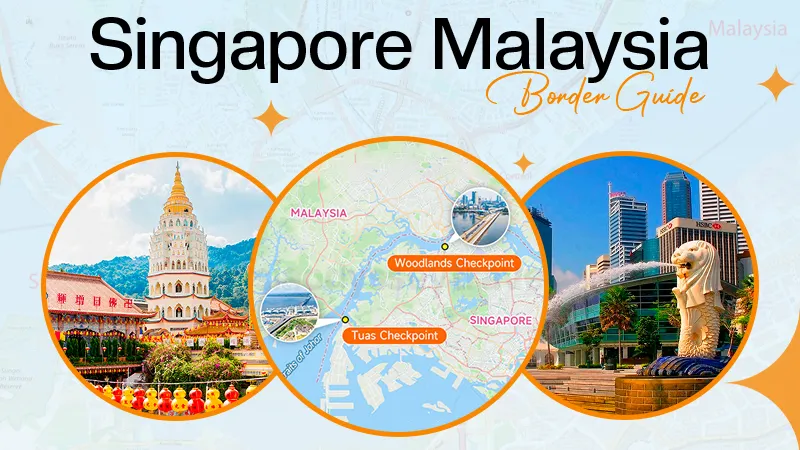
If you are hailing a coach from Singapore into Malaysia, save the operator’s instructions, departure point and booking confirmation before setting off. Keep essential details accessible on each traveller’s phone rather than discarding the only backup in one person’s inbox.
A plan that includes both countries still needs to connect to a trusted network after the crossing. Do not assume reliable service throughout the journey. If data does not return, check the provider’s maintenance steps and network settings before adding another plan.
Purchase the areas you need using Google Maps’ offline map instructions. Offline maps have restricted areas: public transport, walking and cycling directions are not offered offline, and driving routes lack live traffic status. Save the specific transport details you possess as well.
Choose Data Around Your Actual Habits
Look at your phone’s current usage to see which apps generate the most data. Maps, messages and booking checks complete a different pattern from video calls, streaming and uploading a day’s photographs. Bypass choosing an allowance exclusively because someone else found it enough for their holiday.
Download amusement before leaving and set enormous photo backups and app updates to use Wi-Fi. If you intend to work from a laptop, check whether tethering is allowed and whether any separate limit lays. A laptop can use factual data through background updates without a noticeable download on screen.
For shared trips, choose whether everyone needs separate access. One hotspot may help when you are together, but it puts others disconnected when the group separates and puts pressure on the host phone’s battery.
Keep a Workable Backup
Carry a portable power bank and keep key booking facts accessible offline. Check your balance during the trip, particularly before departing Singapore or starting a longer travel day in Malaysia. If you need more data, confirm whether your plan supports a top-up or needs a new purchase. A few inspections before departure leave fewer phone crises to solve beside an airport baggage carousel.
Other than this, a Southwest WiFi can also be a reliable option in emergency cases. Consider its cost and key points.
Conclusion
In the end, planning mobile data before a Singapore and Malaysia trip is more about avoiding the issues that might come across later. Ensure that your plan covers every country on the route, confirm that your plan supports eSIM and understand when your phone’s validity starts.
Consider a data allowance based on how you really use your phone and keep a power bank and offline data as a backup. A bit of early preparation can make it much easier to stay connected throughout the journey.
Can the same eSIM work in both Singapore and Malaysia?
Yes, some regional eSIMs cover both countries. It is best to check the individual plan’s country list.
When to install my travel eSIM?
Setting it up right before departure is the best time. Consider guidelines based on chosen plans.
Why download offline maps?
Very often, the connection drops. In these conditions, offline maps help you find your way without an internet connection.