- 1. Enjoy Sunrise and Sunset over the Himalayas
- 2. Explore Traditional Mountain Villages
- 3. Taste Traditional Nepali and Himalayan Food
- 4. Visit Buddhist Monasteries, Stupas, and Prayer Wheels
- 5. Watch Himalayan Wildlife and Birdlife
- 6. Explore Glacial Lakes, Rivers, and Waterfalls
- 7. Experience Local Festivals and Cultural Traditions
- 8. Photograph Rhododendron Forests and Himalayan Landscapes
- 9. Relax in Natural Hot Springs
- 10. Take Acclimatization Hikes and Explore Side Trails
- How to Make the Most of Your Trekking Experience in Nepal
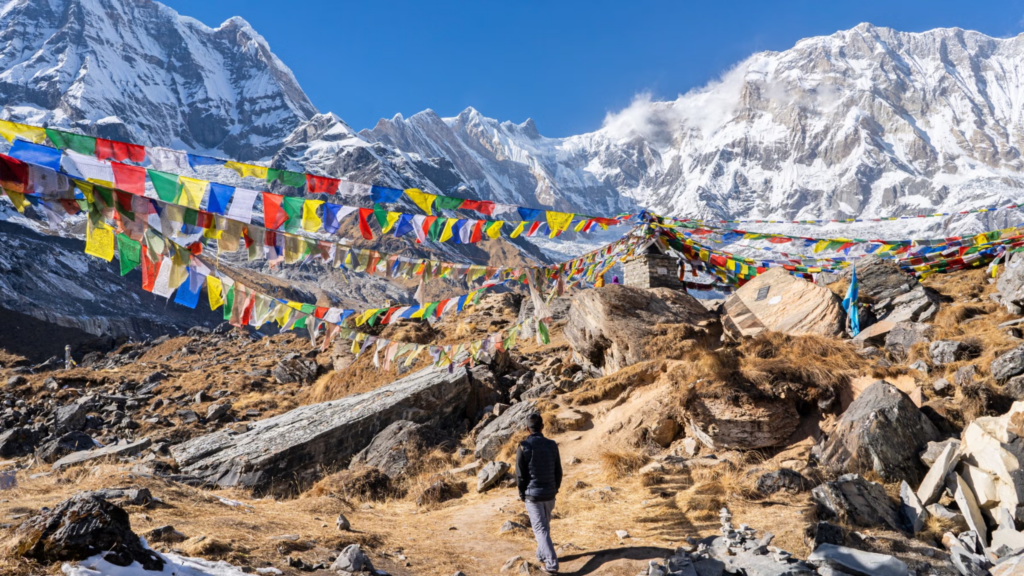
Trekking in Nepal is much more than just walking along the mountain trails. It offers an opportunity to explore Himalayan landscapes, explore traditional villages, taste local food, visit ancient monasteries, and learn about the cultures of mountain communities.
If you are trekking for a few days or many weeks, taking your sweet time to enjoy some fun activities like enjoying sunrise over the Himalayas, exploring local settlements, spotting wildlife, visiting religious sites, and discovering the natural beauty of the mountains makes the journey more enjoyable and also offers a better understanding of Nepal beyond its famous mountain views.
1. Enjoy Sunrise and Sunset over the Himalayas
Watching the sunrise and sunset over the Himalayas is one of the most beautiful things to do while trekking in Nepal.
As the first sunlight reaches the snow-covered peaks, mountains slowly turn golden, creating spectacular views across the surrounding valleys.
The Annapurna Circuit Trek and Annapurna Base Camp Trek offer excellent opportunities to enjoy Himalayan sunrises and sunsets.
Along the Annapurna Circuit, trekkers can admire the shifting mountain scenery around Manang and other high-altitude settlements.
On the Annapurna Base Camp Trek, the early morning light at the base camp shows the surrounding peaks, including Annapurna I and Machhapuchhre.
Other popular viewpoints include:
- Poon Hill (3,210m): Popular for panoramic sunrise views of the Annapurna and Dhaulagiri ranges.
- Kala Patthar (5,644m): Provides an impressive early-morning view of Mount Everest and the surrounding peaks.
- Gokyo Ri (5,357m): Offers panoramic views of Everest, Cho Oyu, Makalu, and the Gokyo Lakes.
- Mardi Himal Viewpoint: Provides close views of Machhapuchhre and the Annapurna range.
- Manaslu viewpoints: Offer beautiful views of Mount Manaslu and neighbouring Himalayan peaks.
Practical tip: Ask your trekking guide about the best nearby viewpoint and expected sunrise time. Carry a warm jacket, gloves, and a headlamp if you want to walk before daylight.
2. Explore Traditional Mountain Villages
Visiting traditional mountain villages gives trekkers a closer look at everyday life in the Nepalese Himalayas. These settlements are home to communities with different languages, customs, architecture, agricultural practices, and traditions.
Walking through villages lets you see stone-built houses, terraced fields, prayer flags, local schools, monasteries, and traditional kitchens. You can also note how mountain communities handle farming, livestock, trade, and daily activities.
Some villages worth exploring are:
- Ghandruk: A traditional Gurung settlement famous for its stone houses, cultural heritage, and Annapurna views.
- Namche Bazaar: A big Sherpa settlement and trading centre in the Everest region.
- Marpha: A beautiful Thakali village famous for traditional architecture, apple orchards, and local food.
- Samagaun: A traditional settlement in the Manaslu area with strong Tibetan cultural influences.
- Langtang Village: A mountain settlement surrounded by impressive Himalayan landscapes and Tamang cultural heritage.
Practical tip: Take time to walk through village lanes instead of visiting only the main teahouses. Ask residents before photographing their homes, families, or cultural activities.
3. Taste Traditional Nepali and Himalayan Food
Trying traditional Nepali and Himalayan food is an important part of the trekking experience. Mountain teahouses offer meals prepared with locally available ingredients, providing an opportunity to discover regional flavours and traditional cooking styles.
Dal bhat is a famous choice among trekkers. It generally includes steamed rice, lentil soup, seasonal vegetables, and pickles, offering a filling meal for long walking days.
Based on the region, you can also try:
| Food | What to Expect |
| Dal Bhat | Rice, lentil soup, vegetables, and pickles |
| Momo | Steamed or fried dumplings with vegetable or meat fillings |
| Thukpa | A warm noodle soup popular in Himalayan communities |
| Tibetan Bread | Traditional fried bread often served for breakfast |
| Tsampa | Roasted barley flour traditionally eaten in Tibetan communities |
| Thakali Khana | A traditional meal featuring rice, lentils, vegetables, and regional accompaniments |
| Yak Cheese | Locally produced cheese found in some high Himalayan settlements |
| Buckwheat Roti | A traditional flatbread made from buckwheat flour |
Practical tip: Try regional dishes instead of ordering the same international meals throughout your trek. Dal bhat is especially useful on long trekking days because it provides a substantial mix of carbohydrates and protein.
4. Visit Buddhist Monasteries, Stupas, and Prayer Wheels
Visiting Buddhist monasteries and religious sites offers insight into the spiritual traditions of Nepal’s Himalayan communities. Buddhism has a solid cultural presence in several mountain regions, especially among Sherpa, Tamang, and communities with Tibetan cultural connections.
Along trekking trails, you will face monasteries, chortens, mani walls, prayer wheels, and colourful prayer flags. These structures are essential parts of local religious life and usually occupy prominent positions near villages, mountain passes, and trail junctions.
Some notable places to visit are:
- Tengboche Monastery: An essential Buddhist monastery in the Everest region, surrounded by spectacular Himalayan scenery.
- Kyanjin Gompa: A spiritual and cultural spot in the Langtang Valley.
- Ribung Monastery: A Buddhist monastery in the Upper Mustang region.
- Mu Gompa: A remote monastery in the Tsum Valley.
- Monasteries around Samagaun: Reflect the Tibetan-influenced traditions of the Manaslu region.
Take time to see the religious artwork, prayer flags, murals, and traditional architecture. If entering a monastery, follow local instructions, dress respectfully, and ask permission before taking photographs.
Practical tip: When passing a mani wall or chorten, follow the regional custom of walking clockwise. Turn prayer wheels in the same direction.
5. Watch Himalayan Wildlife and Birdlife
Nepal’s trekking areas are home to diverse wildlife, including Himalayan mammals, rare birds, and colourful butterflies. Watching wildlife along the trail adds another dimension to trekking, especially when walking through forests, alpine meadows, and protected areas.
Depending on the trekking region and season, you may face:
- Himalayan Tahr: A mountain-dwelling animal usually seen on steep rocky slopes.
- Blue Sheep: Commonly associated with high-altitude Himalayan landscapes.
- Himalayan Monal (Danphe): Nepal’s national bird, recognised by its colourful plumage.
- Musk Deer: A shy forest-dwelling animal found in many Himalayan habitats.
- Red Panda: An elusive species linked with temperate Himalayan forests, including Langtang.
- Snow Leopard: A rare high-altitude predator that inhabits remote Himalayan terrain.
The protected areas also support excellent bird diversity. Langtang National Park, for example, is home to hundreds of bird species, making it an interesting location for birdwatchers.
Practical tip: Walk quietly through forest sections and carry binoculars if birdwatching interests you. Early mornings are especially rewarding for observing birds and other wildlife.
6. Explore Glacial Lakes, Rivers, and Waterfalls
Visiting Himalayan lakes and waterways is another rewarding activity while trekking in Nepal. The mountains include glacial lakes, fast-flowing rivers, natural waterfalls, and streams that create beautiful landscapes with trekking trails.
Some lakes are particularly notable because of their turquoise water, high-altitude surroundings, and religious significance.
Notable lakes to explore are:
- Gokyo Lakes: A series of beautiful glacial lakes in the Everest region, surrounded by towering Himalayan peaks.
- Tilicho Lake (4,919m): A spectacular high-altitude lake on the Annapurna Circuit Trek.
- Gosaikunda Lake (4,380m): A sacred alpine lake in Langtang National Park, associated with Hindu religious traditions.
- Shey Phoksundo Lake: A striking turquoise lake in Dolpo, known for its dramatic mountain surroundings.
- Birendra Lake: A glacial lake near Samagaun in the Manaslu area.
Beyond the lakes, trekkers can enjoy waterfalls, suspension bridges, and rivers flowing through deep Himalayan valleys. These natural features offer excellent places to pause, appreciate the surroundings, and take photographs.
Practical tip: Allow additional time for lake excursions when planning your daily walking schedule. Some lakes need a separate side hike from the main trekking trail.
7. Experience Local Festivals and Cultural Traditions
Experiencing local festivals and cultural traditions provides a deeper understanding of the communities living in Nepal’s mountain areas. Many villages celebrate religious festivals, seasonal events, and traditional ceremonies throughout the year.
Depending on your trekking dates and destination, you may have a chance to witness:
- Mani Rimdu: A famous Buddhist festival celebrated in the Everest region, particularly at Tengboche Monastery. It features masked dances, prayers, and religious ceremonies.
- Tiji Festival: A colourful three-day Buddhist festival celebrated in Upper Mustang, including traditional dances and religious performances.
- Losar: The Tibetan and Sherpa New Year, celebrated with family gatherings, traditional food, prayers, and cultural activities.
- Dumji Festival: A Sherpa cultural and religious celebration takes place in several villages in the Everest region.
- Lhosar celebrations: Different Himalayan communities celebrate their New Year according to their own cultural traditions and calendars.
Festival dates differ according to lunar calendars and local traditions. Planning a trek around a big celebration can provide an opportunity to experience mountain culture beyond everyday village life.
Practical tip: Ask your trekking guide or local accommodation about upcoming festivals before beginning your trek. When attending religious ceremonies, observe respectfully and follow the community’s photography guidelines.
8. Photograph Rhododendron Forests and Himalayan Landscapes
Photography is one of the most beautiful things to do while trekking in Nepal because the scenery changes particularly with altitude, geography, and season. A single trekking journey can cover green forests, terraced hillsides, traditional villages, glacial valleys, and snow-covered mountain peaks.
Spring, from March to May, is actually beautiful in Nepal’s lower and middle mountain regions. Rhododendrons bloom in multiple shades of red, pink, and white, adding colour to forest trails.
Autumn, from September to November, is another great period for landscape photography because many trekking regions provide clear mountain views and pleasant walking conditions.
Consider photographing:
- Rhododendron forests and seasonal wildflowers.
- Traditional houses and terraced agricultural fields.
- Prayer flags, chortens, and monastery architecture.
- Glacial lakes, mountain rivers, and waterfalls.
- Himalayan peaks during sunrise and sunset.
- Everyday activities in local mountain communities.
Practical tip: Carry spare batteries and a power bank. Cold temperatures at higher elevations can minimize battery performance, while charging opportunities may differ between mountain lodges.
9. Relax in Natural Hot Springs
Relaxing in natural hot springs is a memorable experience on certain trekking routes in Nepal. These geothermal pools provide an opportunity to enjoy warm water while surrounded by mountain landscapes.
Two popular places to experience natural hot springs are:
- Jhinu Danda: Located in the Annapurna region, Jhinu Danda is known for its natural hot spring pools near the Modi Khola. It is a famous stop for trekkers completing the Annapurna Base Camp Trek.
- Tatopani: Located in the Myagdi district along the Kali Gandaki corridor, Tatopani is known for its natural hot springs and traditional bathing facilities.
The experience is actually enjoyable after several days of walking. It also provides an opportunity to spend extra time in local settlements and appreciate the quieter side of mountain travel.
Practical tip: Check the accessibility of the pools with your guide and allow enough time for the visit. At higher elevations, pick comfortable bathing conditions and stay hydrated.
10. Take Acclimatization Hikes and Explore Side Trails
Acclimatization hikes and side excursions let trekkers explore more of the Himalayas without rushing through their itinerary. These walks are especially valuable on longer treks that reach high elevations, where the body requires time to adjust to reduced oxygen availability.
Instead of spending an acclimatization day completely inside a teahouse, trekkers can take a better hike to a nearby viewpoint or natural attraction, following their guide’s advice.
Popular side hikes include:
| Side Hike | Trekking Region | Highlight |
| Nangkartshang Peak | Everest | Panoramic views of Ama Dablam and surrounding peaks |
| Gokyo Ri | Everest | Views of the Gokyo Lakes and Himalayan mountains |
| Ice Lake | Annapurna | High-altitude lake and views of the Annapurna range |
| Kyanjin Ri | Langtang | Panoramic views of Langtang Lirung and surrounding mountains |
| Birendra Lake | Manaslu | Glacial lake scenery near Samagaun |
These excursions offer additional mountain experiences and make acclimatization days more engaging. The walking distance, elevation gain, and difficulty should suit your fitness and acclimatization progress.
Practical tip: Follow a gradual ascent and your guide’s recommendations. An acclimatization hike should be comfortable and controlled instead of a demanding attempt to reach the highest possible point.
How to Make the Most of Your Trekking Experience in Nepal
The best trekking experiences in Nepal come from enjoying the journey as much as reaching the destination. Mountain views are only just one part of the experience; local food, traditional villages, religious heritage, wildlife, and everyday life in the Himalayas make each trek different.
A few easy choices can make your journey more meaningful:
- Select locally owned teahouses and homestays to support mountain communities.
- Try regional food and learn about local cooking traditions.
- Take time to visit villages and interact with residents.
- Respect monasteries, religious sites, and local customs.
- Carry reusable water bottles and reduce single-use plastic.
- Follow designated trails and respect the natural environment.
Whether you are visiting the Everest region, walking through the Annapurna foothills, or discovering the quieter trails of Manaslu and Langtang, these experiences will help you appreciate the natural and cultural diversity of Nepal.
What are the best things to do while trekking in Nepal?
Some of the best things to do include watching Himalayan sunrises, exploring traditional villages, tasting local food, visiting Buddhist monasteries, spotting wildlife, photographing mountain landscapes, and exploring glacial lakes.
Can you experience local culture while trekking in Nepal?
Yes. Many trekking trails pass through traditional Sherpa, Gurung, Tamang, and Thakali settlements. Trekkers can experience local hospitality, traditional architecture, regional cuisine, religious customs, and cultural festivals.
What is the best time to enjoy trekking activities in Nepal?
Spring (March–May) and autumn (September–November) are generally the most popular trekking seasons. Spring offers blooming rhododendron forests and warmer days, while autumn provides excellent opportunities for mountain views and cultural experiences.
Can beginners enjoy these activities while trekking in Nepal?
Yes. Many activities, including village exploration, local food experiences, photography, and cultural visits, are suitable for beginners. The difficulty of additional hikes and high-altitude excursions should be selected according to individual fitness and trekking experience.
What should you carry to enjoy trekking activities in Nepal?
Consider carrying:
- A camera or smartphone.
- Binoculars for birdwatching.
- A reusable water bottle.
- Comfortable trekking shoes.
- Warm and waterproof clothing.
- Sunglasses and sunscreen.
- A power bank and spare batteries.
- A small notebook for recording your experiences.