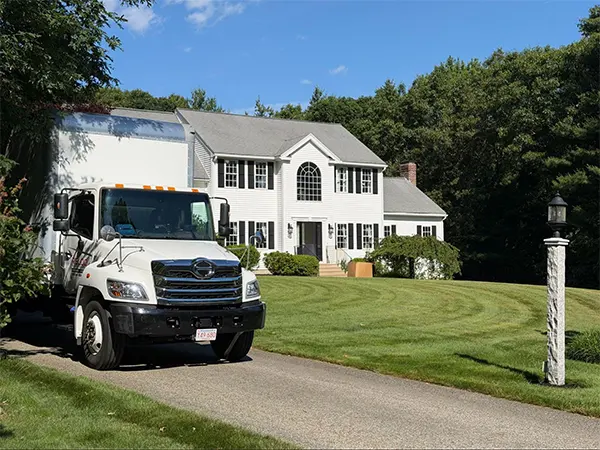
Moving from a multi-level home needs more preparation than simply counting bedrooms; it also involves estimating how many boxes you’ll need. You need to assess all the furniture, including furniture dimensions and stair configurations, walking distances, and truck access. A 4-bedroom house with wide hallways may be easier to move than a smaller townhouse with three flights of tight stairs. Experienced Belmont movers will tell you the layout matters more than the room count every time.
Here’s what deserves your attention before moving day rolls around.
Start With a Room-by-Room Inventory
Start upstairs and work your path down. Or downstairs and up. Whatever keeps you from roaming around the house counting the same dresser three times. Create an stock that includes furniture, appliances, packed boxes, and things requiring special handling. Pay particular attention to storage areas. Basements, attics, garages, and closets have an remarkable ability to gather things nobody remembers purchasing.
Your inventory should difference between:
- Large furniture and appliances.
- Standard moving boxes.
- brittle or unusually heavy belongings.
- Items requiring dismantle.
- Things you’re donating, selling, or discarding.
That last category matters. There’s little sense paying to carry a broken exercise bike that’s been performing as an expensive coat rack since 2019. More importantly, room count alone doesn’t precisely represent moving volume. One scattered furnished bedroom might contain six boxes and a mattress. Another could house two wardrobes, a considerable book collection, and enough assorted belongings to open a small department store.
Give your moving company the actual picture.
Measure Furniture, Doorways, and Staircases
Here’s where furniture dimensions become your best friend. Measure the height, width, and depth of heavy pieces. Then compare those dimensions with the available clearance along their planned exit routes. And don’t stop at the bedroom doorway. Check passage widths, staircase openings, ceiling heights, and turning space around landings. Especially those awkward ninety-degree corners that seem perfectly trustworthy until you’re carrying a seven-foot sofa.
Narrow staircases can confound furniture movement even when the item technically fits through every individual passage. Consider whether bed frames, dining tables, modular sofas, or large delaying units can be dismantled earlier. Some furniture comes apart beautifully. Other furniture appears to have been gathered by woodland creatures using an unfamiliar system of mathematics.
If you’re unsettled, photograph the item and discuss it with your movers before trying to deconstruct it yourself.
Prepare Each Floor for Moving Day
Organization becomes significantly more valuable when belongings are assigned across multiple levels. Label boxes with both their destination room and floor. Something like “SECOND FLOOR—MAIN BEDROOM” tells the crew substantially more than a mysterious cardboard rectangle marked “STUFF.” Pack completed boxes in designated areas without impeding access. Keep staircases, landings, and passage clear. Remove loose rugs, decorative objects, and anything else that might create a slipping hazard.
While preparing for moving day, create a separate location for essentials that shouldn’t dissolve into the truck. Think medications, important documents, chargers, keys, and anything your household will need instantly after arrival. Having a clearly marked required bag around is never a bad idea.
Also, resist the temptation to build immense box towers beside the stairs. They may look organized, but if the crew has to deconstruct your cardboard architecture just to reach the railing, you’ve accomplished accurately nothing.
Plan the Route From the House to the Moving Truck
The move doesn’t end at the front door. Walk the whole route between your home and the expected truck parking location. Check for exterior steps, uneven paving, gates, steep driveways, landscaping barriers, and narrow access points. A long transporting distance can influence loading time, particularly when every piece of furniture must travel from the upper floor, down the stairs, through the house, and across a considerable driveway. That’s a whole lot of footsteps.
Consider where the truck can legally park and whether your neighborhood, HOA, or property management needs advance arrangements. Clear the outdoor walkway before the crew arrives. Move bicycles, trash bins, garden equipment, and parked vehicles where necessary. If you’re moving house with stairs both inside and outside the property, mention that difference when requesting your access.
Not every staircase presents a major challenge, though exact access information helps your moving company understand the work enagaged.
Identify Items That Need Special Handling
Some possessions deserve their own conversation. Large mirrors, glass cabinets, artwork, antiques, oversized instruments, and particularly heavy furniture may require additional compound or protective materials. Don’t assume the moving crew will automatically know about the immense marble tabletop hiding in your upstairs dining room; mention it.
The same goes for unusual measurements, delicate finishes, and furniture that cannot be moved through its original passage without partial deconstruction. And remember, having multiple floors doesn’t automatically mean your move requires specialized items or additional charges. The actual conditions and agreed scope of work establish what preparation makes sense.
Confirm the Moving Plan in Advance
A few days before the move, analyze the important details with your moving company. Has your supply changed? Did you discover another storage room? Is the driveway suddenly unavailable because your neighbor decided Tuesday was an excellent day to renovate his entire property? Highlight those changes. Confirm your arrival window, pickup and delivery addresses, parking arrangements, and any furniture needs special attention.
Definite communication helps everyone work from the same plan. Leave yourself some flexibility, too. Surprising access complications happen, even in structured households.
Do movers charge extra for multi-level homes?
Yes, most professional movers charge a “stair fee” or “flight charge”. This is typically an extra flat rate per flight of stairs after the first floor, or it is factored into a higher hourly rate.
Should I disassemble furniture before moving day?
Yes, large items like bed frames, desks, and dining tables should be fully broken down. It makes navigating tight stairwells significantly safer.
How do I safely move heavy appliances down stairs?
Use an appliance dolly equipped with rubber stair-belts that glide over the steps. Always position the stronger person at the bottom of the dolly to control the weight, moving one single step at a time.