

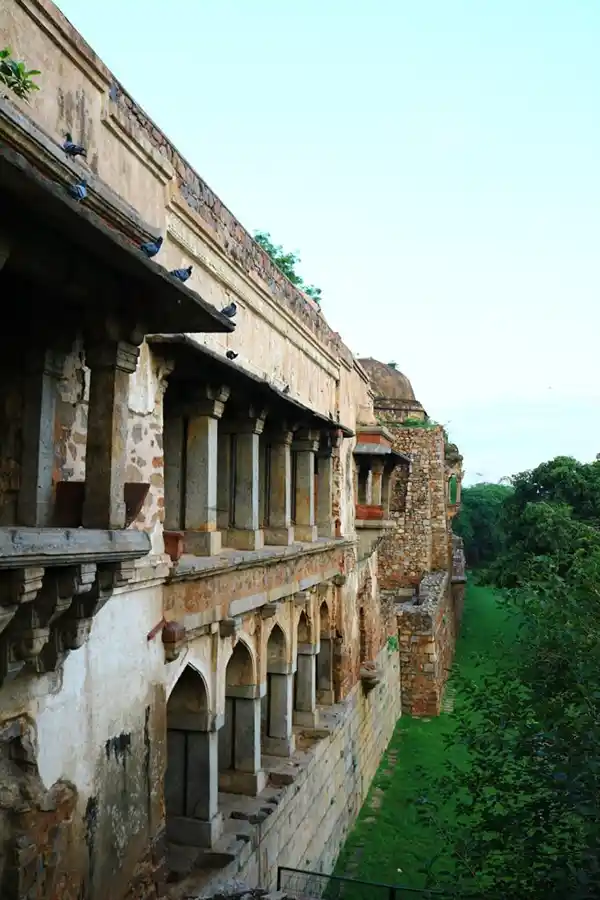
Anyone with a fancy for Delhi travel reels has stumbled upon it, this quiet stretch of water, surrounded by 700-year-old buildings in which the joggers go for their peaceful morning walks and the rooftop cafes shine like beacon fires. It’s the Hauz Khas Lake, and it’s one of the few places in the city where history and culture co-exist without any compulsion.
For history lovers, couples planning a picturesque evening, photographers, families who want the green appeal in the metropolis, or anyone else who is undertaking a trip to South Delhi.
And this unique attraction is not just the monument fence, but it is a living neighbourhood constructed around a medieval water tank, meaning that you can have ruins, deer, cafes, and sunset views all within a 5-minute walk.
About Hauz Khas Lake
It is one of the most alluring neighbourhoods,s and this spot also has another character to it. Hauz Khas Village is a hub of cafes, art galleries, and exciting nightlife.
Where is Hauz Khas located?
The lake is located in the area of South Delhi between Hauz Khas Village and Deer Park, with the remains of the old fort and madrasa on its eastern side.
Googling Hauz Khas Fort and Hauz Khas Lake on Google Maps will take you to the same complex.
If you want the monument side of the complex in more detail, our guide to the Hauz Khas Fort walks through the ruins, the madrasa and the tomb.
Hauz Khas Metro Station is approximately 1–1.5 km away. Visitors can walk or take a short auto ride to reach the complex.
The neighbourhood combines an ASI-protected monument, a deer park, a rose garden, and one of the most popular ASI sites, all of which are all within walking distance from each other.
Why is Hauz Khas Lake Famous?
This place is the hot spot, as it’s three places in one – heritage, nature escape, and social hangout. In the morning, you need to look at the architecture, and in the evening, you look at the same water with your beer from a rooftop cafe. It is just the blend of old and new that makes period enthusiasts and Instagram followers return.
The history of Hauz Khas Lake is the best place to get more information about it.
Hauz Khas was established during the reign of Alauddin Khalji (late 13th century), during the construction of his fortified city, Siri, and was called Hauz-i-Alai, the reservoir of Alai.
It was silted up over time and abandoned, but was revived in the 14th century by Firoz Shah Tughlaq, who dug it out and named it Hauz Khas, a royal tank. He also constructed along the banks a madrasa, a mosque, and his own tomb.
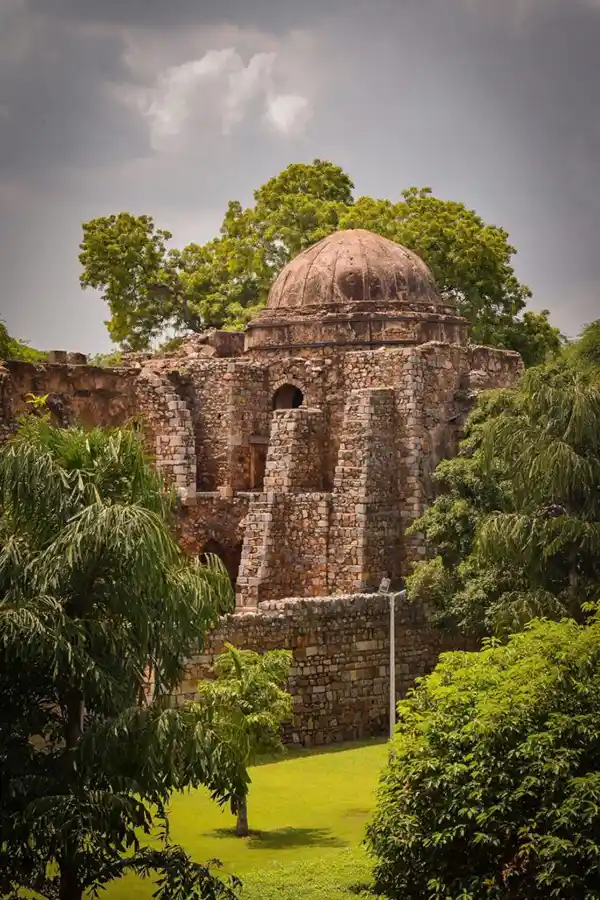
With his patronage, the Madrasa truly came into being, and people from all over the region started studying here. Picture it – right on the edge of the water, one of the significant centres of Islamic learning during the Delhi Sultanate period.
Today, you’re walking through the ruins of that academic complex – until it’s re-clustered around the same water body, in a form where it’s even a little of a timeless reminder of the intellectual history of medieval Delhi, if you take a moment and look closely at the carved arches and ruined chambers.
Hauz Khas Lake Timings
After all, nobody wants to organize an entire trip to a monument and then turn up empty-handed, so here’s the how-to.
Opening times – The complex is open every day, although typically from about 10.30 am to around 7 pm.
The best time to visit is in the evenings and late afternoon when it’s cooler and the evening lights and sunsets are gorgeous. Then the heat is generally reduced, the lights go to a more subdued and golden hue, and you behold the change of daily routines from day to evening, right in front of you.
Weekdays and weekends– Weekday mornings are almost meditative; you might have entire corners of the ruins to yourself. Weekends, especially Saturday evening, are a completely different animal; crowded, energetic, and great if you like people watching, less great if you are hoping for a peaceful time.
A small example to make this concrete: If you visit on a Tuesday at 11 am, you will likely hear birds more than people. Show up on Saturday at 6 pm, and you will be sharing every good photo spot with at least three other groups also waiting for their turn.
Hauz Khas Lake Entry Fee
This is the section where things have actually changed recently, so check before visiting.
For a long time, entry to the fort and reservoir complex was completely free. That’s no longer the case. Entry policies and ticket prices can change. Visitors should check the latest ASI guidelines or the ticket counter information before visiting. Tickets are booked online through the QR code at the entrance, and cash is not accepted.
- Indian visitors– roughly Rs 20 – 25 per person.
- Foreign visitors – around 200 to 300rs per person.
- Children – free entry is typically given to younger children, though the exact age cutoff can vary, so it’s important to double-check at the gate while travelling with kids.
- Camera charges – no extra fee for personal phone or camera photography.
- Parking fee- paid parking is available close to the village, but on weekends, it fills up fast – arriving early genuinely helps here.
Because ASI fee structures do get revised now and then, it’s a good step to visit the official ASI ticketing portal a day or two before you go.
Best Time to Visit Hauz Khas Lake
Delhi’s weather swings hard between seasons, and this spot feels completely different depending on when you catch it.

Summer (April to June)
Delhi summers can be extremely hot, making midday visits uncomfortable. And this is not the season to plan a leisurely midday stroll around the ruins. Afternoon temperatures regularly cross 40 degrees, and the stone pathways can feel like they are radiating heat back at you. If summer is your only window, go either early in the morning or after 5.30 pm once the sunset begins.
Winter (October to February)
This is genuinely the best time, and most seasoned Delhi travellers will tell you the same thing. Mornings arrive with a light mist rolling off the water, afternoons are pleasant enough for a long walk, and the golden winter light in the late afternoon guides; aim for somewhere in this window.
Monsoon (July to September)
Not many tourists think to visit during the monsoon, which is honestly a bit of a missed opportunity. The greenery around the lake becomes more vibrant during the monsoon, making the surroundings more scenic, and the crowds thin out considerably since a lot of casual visitors stay home. The catch, obviously, is the unpredictability – a clear sky can turn into a sudden downpour within 20 minutes, so keep an umbrella handy and an eye on the clouds.
Things to Do at Hauz Khas Lake
There’s genuinely more to do here than most people expect on their first visit, so here’s a rundown to help you plan your hours.
Enjoy the lake view
Sometimes the simplest option is the best one. Find a quiet spot on the steps or under one of the old pavilions, and just sit with the view for a while. Watch how the water reflects the domes, how the light shifts as the sun moves. It sounds almost too basic to list as an activity, but most visitors end up doing it the longest.
Explore the fort ruins.
Walk through what remains og the medieval halls and cells, the domed chambers, and the Firoz Shah Tughlaq tomb. Each section tells a slightly different part of the story- the classrooms where the scholars once studied, the mosque where they prayed, the tomb where the man who built all of it now rests. Take your time reading the small information panels scattered around; they add real context you would otherwise miss.
Visit Deer Park
A beautiful green area with permanent spotted deer lies just across the street. Many people enjoy walking, jogging, and picnics in the park, but not at the site they are so familiar with.

Bird watching
This lake supports a good diversity of non-breeding migratory and resident waterfowl, particularly during the winter seasons. Binoculars are a must-have, even if you’re a casual birder. You may see sights you’d never guess you’d see in the middle of town!
Photography
One of the best guaranteed photo spots in Delhi is this corner, which features the arched doorways, water, deer, and golden hour light reflecting on centuries-old stone. If you’re not a photo-taker type, you’re likely to end up playing with the photos here.
Sunset walk
Plan your visit to coincide with the sunset so you can be close to the pavilions facing sunset to catch the stunning light at the end of the day. A bit of planning around the corner is worthy of the lights, the water, and the old stone.
Heritage walk
For more of a treasure hunt than can be achieved along the rambles of a walk, explore one of the various walks offered by local heritage walk groups,s which offer a guided tour of the fort and its surrounding village. A good guide can transform a nice old fort into a colourful account of the politics, architecture, re and way of life of the sultanate era – something you would never get without his help.
Rest in “green areas”.
There are plenty of inviting secluded spots with some shade just to sit and read, soak up sunshine, observe the world around, or do nothing at all from within the limits of the fort’s own lawn, the deer park, or the nearby rose garden.
Hauz Khas Village
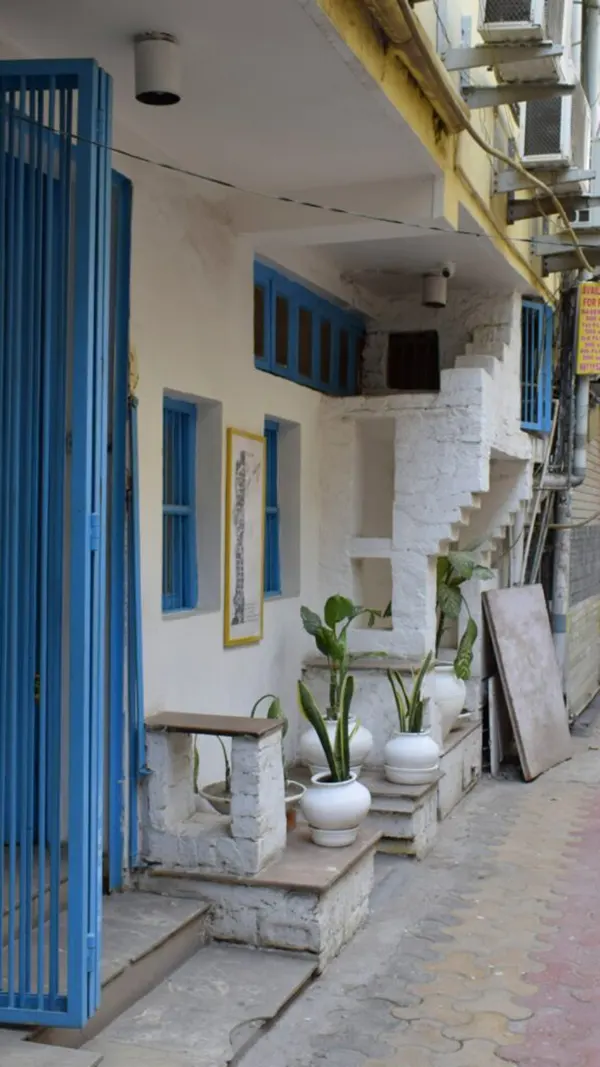
This is the maze of lanes surrounding the fort, full of boutiques, art studios, and individual designers. It’s the kind of place around which you turn a corner, visit a shop, and end up in a tiny gallery or vice versa.
Cafes
One of the best rooftop café scenes here is – you’ve got to try that. There are a few locations with a line of sight above water, which help you appreciate the gorgeous sunset dinners as well as unwinding evening cups of coffee after a lengthy day of strolling.
Art galleries
A few small, standalone galleries filled with modern Indian art can be found throughout the village; this is a pleasant counterpoint to the medieval buildings just a short step away.
Rose garden
A smaller area with fewer boxes located near the main fort, suitable for a more relaxed stroll when the fort may be a bit crowded.
SDA market
Again, a short dive away, this is a more down-to-earth local marketplace, which should thrill the practical sort.
How to Reach Hauz Khas Lake
Accessible from the metro, car, bus, or cab. Take the auto-rickshaw to the Hauz Khas metro station on the yellow/ magenta line, and then take a stroll. Planning the rest of the day on the train? The Delhi Metro route map makes the interchanges easier to work out before you set off.
By car or two-wheeler – The area is well connected to South Delhi’s main roads, a parked bicycle is available near the village entrance, but there can be a traffic jam on weekend evenings, so an early arrival will help to end the traffic chaos.
By bus – A few DTC bus routes stop near Hauz Khas and IIT Delhi, both of which are near the complex.
With a cab (very convenient to request/call through ride apps), and conveniently located drop-off and pick-up points near the main village entrance.
Travel Tips
A few minor but important things when you are on site:
- Best time of the day – Late afternoon until sunset, time of good lighting when things are a little cooler, and there is a changeover from quiet to very busy as evening comes in.
- Safety– During the day and early evening, it is quite safe, as there are a large number of people around. At night, you should stay within well-lit and bustling lanes or corridors or avoid any quiet corners.
- Clothing – comfortable: Must have closed shoes. Pathways in ruins are not smooth stone; flip-flops make exploring an afternoon of careful steps.
- Crowd level – These are times when you might be able to hear the audience and see a much larger and louder crowd. If it’s quieter, that suits you better; try a weekday morning.
Should Hauz Khas Lake be visited?
Yes, it’s the best option for you that you take a trip to this place.
Nearby Places to Visit
For an itinerary around this stop in South Delhi, here are some random suggestions for you.
- Qutub Minar sit closest to the lake, and either one pairs comfortably with a half day here.
- Lodhi Garden
- Safdarjung Tomb
- Dilli Haat
- Garden of Five Senses
- Mehrauli Archaeological Park
There are 2-3 possible combinations of these locations, whereby each combination can help you complete your entire day’s South Delhi heritage tour.
Can you visit Hauz Khas Lake?
Ans: Certainly, there is an entrance fee to enter Hauz Khas Fort.
When is the perfect time to visit Hauz Khas Lake?
Ans: From late afternoon through early evening, and preferably between October and March for good overall weather.
Are there any couples who can visit the Hauz Khas Lake?
Ans: Yes, this is certainly one of those popular couples’ spots.
Going for a walk at Hauz Khas Lake at Night?
Ans: Since the official complex closes around 7 pm. The village that surrounds it is still alive at night, but the ruins themselves will do well for daytime and early evening visitations.
What is the amount of time needed?
Ans: Taking between 2 and 4 hours free from any urgency.
Is photography allowed?
Ans: Yes, personal photography with your phone or camera is allowed with no extra charge.
Which metro station is nearest?
Ans: Hauz Khas Metro Station, where the yellow and magenta lines interchange.
Is parking available?
Ans: Yes, though it’s a paid facility and can fill up quickly on weekends and holidays.
Are pets allowed?
Ans: Yes, but it’s best to check directly at the gate before bringing a pet along.
Can children visit?
Ans: Yes, children can visit, but under the supervision of a guardian.
Final Verdict
Its one of the few places in the city that is suitable for any kind of visitors. History readers get Well-preserved sultanate-era architecture, nature attractions get a lake, deer park, and rose garden all within a short walk. Foodies and cafe hoppers get rooftop scenes, and all seem to find their own version of a good time here without getting each other’s way.
Give yourself 2 to 4 hours at least to stand between the centuries-old stone, the quiet water, and the buzz of the village just beyond the gate; it’s easy to understand why this particular corner of South Delhi has earned such a permanent place on visitors’ lists.