- Char Dham Yatra is one of those journeys.
- It Usually Begins Before Sunrise
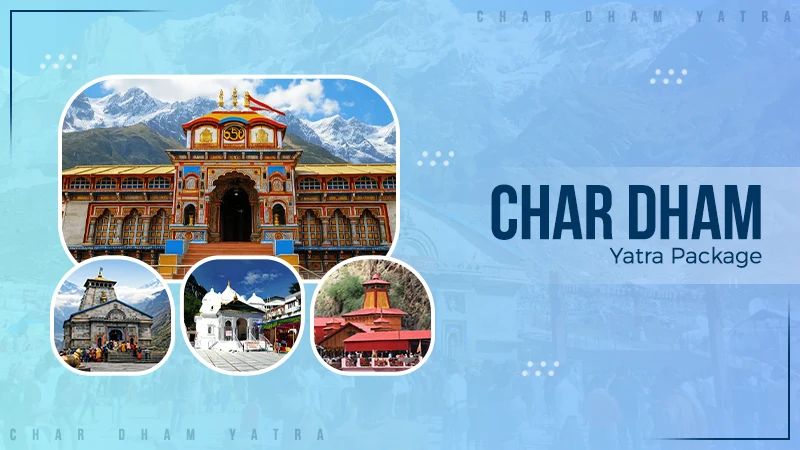
- The Four Dhams of Uttarakhand
- Why the Road Journey Is So Important
- A Typical Char Dham Road Journey
- Final Days: Return Journey
- What Makes a Good Chardham Yatra Package?
- Private Vehicle or Group Tour?
- What Should You Pack for Char Dham Yatra?
- Char Dham Yatra Is Not Only About Temples
- For Travellers Who Want a Shorter Pilgrimage
- When Is the Best Time for Char Dham Yatra?
- Why Starting Early Makes Sense
- A Journey for Families
- A Journey That People Remember
- Planning Your Char Dham Yatra
- Final Thoughts: Four Dhams, One Long Journey
- Planning Your Char Dham Yatra?
There are some travel journeys where people don’t care about the destination much, as it is considered a part of the experience. For them, the road matters, the people, the place matters. The sunrise, the early morning, the warm cup of tea at a small mountain after a long journey matter.
Basically, a journey is not just a travel journey; it is more about the experience, the feelings, and the things that make you more spiritual.
Char Dham Yatra is one of those journeys.
For many travellers, visiting Yamunotri, Gangotri, Kedarnath and Badrinath is not just a simple holiday. It is a long-awaited pilgrimage, a family journey, or a personal wish that has been carried for years.
The journey takes you deep into the Himalayas, through river valleys, mountain roads, small villages, and some of the most sacred landscapes of Uttarakhand.
If you are planning this journey, choosing the right Chardham Yatra Package can make a big difference because the pilgrimage involves long road journeys, changing weather, high-altitude locations, and carefully planned overnight stays.
But before talking about packages, let’s take a step back and look at what the journey actually feels like.
It Usually Begins Before Sunrise
A Char Dham journey often begins early.
The alarm rings while most of the town is still asleep.
You have your bags ready, a jacket nearby, water bottles packed, and family members slowly getting into the vehicle.
There is something special about leaving early for the mountains.
The roads are quieter.
The city lights gradually disappear behind you.
As the journey continues, the landscape begins to change.
The plains give way to hills.
The air becomes cooler.
Rivers start appearing beside the road.
And eventually, the Himalayas begin to feel less like a view in the distance and more like the world around you.
For most families, these first few hours become part of the memory of their Char Dham Yatra.
The Four Dhams of Uttarakhand
The traditional Char Dham Yatra in Uttarakhand takes pilgrims to four important pilgrimage destinations:
Yamunotri
The journey to Yamunotri takes you into the Garhwal Himalayas and towards the source of the Yamuna River. The final approach involves a trek through the mountains, making Yamunotri one of the more physically demanding stops of the pilgrimage.
Gangotri
Gangotri is associated with the River Ganga and is surrounded by dramatic Himalayan scenery. The temple town sits beside the Bhagirathi River and is a very important spiritual stop for pilgrims.
Kedarnath
For many travellers, Kedarnath is the emotional centre of the entire journey.
The temple is situated at a high altitude amid the mountains, and reaching it requires careful planning. Depending on the route and package, travellers can choose trekking, helicopter services, or other locally available arrangements.
The experience of finally seeing Kedarnath Temple after the journey is difficult to describe in words.
Badrinath
The final major place is Badrinath, one of the most revered pilgrimage destinations in Uttarakhand.
The temple stands in the Alaknanda River valley, surrounded by high Himalayan peaks.
After several days on the road, reaching Badrinath can feel like the closing chapter of a long spiritual journey.
Why the Road Journey Is So Important
One thing first-time travellers underestimate is the amount of time spent travelling between different destinations.
Char Dham is not a short sightseeing tour.
Mountain roads take time.
A distance that looks small on a map can be considerably longer because of winding roads, traffic, weather, and road conditions.
This is why a properly planned itinerary matters.
You need enough time for:
- Mountain travel
- Temple visits
- Rest
- Meals
- Weather changes
- Local traffic
- Trekking where required
- Unexpected delays
Trying to rush everything can take away from the experience.
A good pilgrimage itinerary gives you enough breathing space.
A Typical Char Dham Road Journey
Every travel company can structure the route differently depending on the starting point, number of days, vehicle, and accommodation.
A common journey may look something like this:
Day 1: Haridwar / Rishikesh → Barkot
The journey begins from the plains and moves towards the Himalayan foothills.
The landscape gradually changes its position as you travel towards Barkot.
After checking in, the evening is generally kept relaxed because the next day begins early.
Day 2: Barkot → Yamunotri → Barkot
This is the first major pilgrimage day.
After an early breakfast, travellers move towards the Yamunotri route.
The final stretch requires a trek or locally available transport options, depending on the current arrangements.
After darshan, return towards Barkot for the night.
It is a long day, but reaching the first Dham gives the journey a special beginning.
Day 3: Barkot → Uttarkashi
After breakfast, continue your journey towards Uttarkashi.
The road follows the mountain valleys and gives you opportunities to see the changing Himalayan landscape.
Depending on the itinerary, Gangotri may be covered from Uttarkashi according to the planned schedule.
Day 4: Uttarkashi → Gangotri → Uttarkashi
Start early for Gangotri.
The road follows the Bhagirathi River through beautiful mountain scenery.
After darshan and some time around Gangotri, return to Uttarkashi.
Day 5: Uttarkashi → Guptkashi / Sitapur
This is another long mountain-drive day.
The route moves towards the Kedarnath region.
The scenery changes again as you travel deeper into the Himalayas.
A good night’s rest is important because Kedarnath is next.
Day 6: Kedarnath Yatra
The Kedarnath journey requires advance planning.
Depending on the chosen option and current arrangements, travellers may reach Kedarnath by trekking or by using available helicopter services.
After darshan and an overnight stay or return according to the itinerary, the journey continues towards the next destination.
Day 7: Kedarnath Region → Badrinath Region
The road journey continues towards Badrinath.
By this stage, travellers have already crossed several Himalayan valleys and experienced the changing character of Uttarakhand.
Day 8: Badrinath Darshan
Spend time at Badrinath Temple and explore the surrounding pilgrimage area.
The evening can be kept relaxed.
After several days of travel, this is a good time to slow down and enjoy the surroundings.
Final Days: Return Journey
The return journey takes you back through the mountains towards Rishikesh, Haridwar, or your selected drop point.
And slowly, the Himalayas begin to disappear behind you.
But the journey stays with you.
What Makes a Good Chardham Yatra Package?
A Char Dham package should not be judged only by its price.
Look at what is actually included.
A well-planned package may include:
- Private or shared transportation
- Experienced mountain driver
- Hotel or homestay accommodation
- Breakfast and dinner
- Temple-route planning
- Driver allowance
- Toll and parking
- Pickup and drop
- Travel assistance
- Flexible options for different group sizes
The right choice depends on whether you are travelling as a couple, family, group of friends, or a larger pilgrimage group.
A family with elderly members may need a different plan from a group of young travellers.
Private Vehicle or Group Tour?
This is one of the most common questions travellers ask.
Private Vehicle
A private vehicle gives you more flexibility.
You can generally control the pace of the journey better and make stops when needed.
It can be particularly useful for families and groups travelling together.
Group Tour
Group tours can be more economical and allow travellers to share transportation and other costs.
They can work well for people who prefer travelling as part of an organized group.
Neither option is automatically better.
The right choice depends on your budget, group size, and travel style.
What Should You Pack for Char Dham Yatra?
The weather can change quickly in the mountains, so packing carefully is important.
Keep:
- Warm clothes
- Comfortable walking shoes
- Rain jacket or poncho
- Small backpack
- Personal medicines
- Sunglasses
- Sunscreen
- Water bottle
- Basic toiletries
- Identity documents
- Power bank
- Light snacks
Avoid carrying unnecessarily heavy luggage.
You will be moving between different hotels and destinations throughout the journey.
Char Dham Yatra Is Not Only About Temples
This is something you will understand only after travelling through Uttarakhand.
The temples are the heart of the pilgrimage.
But the journey between them is also unforgettable.
You see rivers flowing through deep valleys.
You pass through small mountain villages.
You stop for tea beside the road.
You will meet local people.
You hear temple bells in places where the surrounding mountains seem completely silent.
You watch clouds move across the peaks.
And sometimes, you simply sit inside the vehicle and look outside the window.
That is the beauty of a Himalayan pilgrimage.
The road itself becomes part of the experience.
For Travellers Who Want a Shorter Pilgrimage
Not everyone has enough time for the complete Char Dham Yatra.
Some travellers have only a few days.
Others want to focus on the two most important destinations for their personal journey.
In that case, a Do Dham Yatra can be considered.
A Do Dham itinerary commonly focuses on Kedarnath and Badrinath, allowing travellers to experience two major Himalayan pilgrimage destinations within a shorter travel plan.
You can explore Travelophila’s dedicated Do Dham Yatra Package if a shorter pilgrimage suits your schedule.
When Is the Best Time for Char Dham Yatra?
The Char Dham temples operate seasonally because of the Himalayan weather.
The main pilgrimage season generally falls during the warmer months, but exact opening and closing dates can change each year.
Spring and summer are popular because roads and weather are generally more suitable for pilgrimage travel.
The monsoon season needs extra consideration because heavy rainfall can affect mountain roads and travel plans.
September and October are also popular with travellers looking for cooler weather and clearer Himalayan views, although conditions can change quickly.
Before travelling, always check the current temple opening dates, road conditions and local travel advisories.
Why Starting Early Makes Sense
During a Char Dham Yatra, early mornings become a normal part of life.
There are several practical reasons.
Starting early can help you:
Avoid some traffic: Mountain routes can become busier later in the day.
Reach destinations with more daylight: This is especially useful on long mountain drives.
Keep some flexibility: If a journey takes longer than expected, an early start gives you more time.
Enjoy the morning atmosphere: Mountain mornings have a completely different feeling from the cities.
Of course, the exact departure time should always depend on the day’s route and local conditions.
A Journey for Families
Char Dham Yatra is often a family journey.
Parents travel with their children.
Adult children bring their parents.
Brothers and sisters plan the trip together.
Sometimes an entire extended family travels together.
This makes vehicle choice, hotel location, meal arrangements, and daily travel time particularly important.
For elderly travellers, it is worth discussing mobility requirements before booking.
A little planning beforehand can make the entire pilgrimage more comfortable.
A Journey That People Remember
Ask someone who has completed the Char Dham Yatra about their experience, and they may not immediately talk about the hotel.
They may remember the first sight of the mountains.
The long road beside the river.
The cold morning.
The first darshan.
The walk towards Kedarnath.
The sound of temple bells.
The family dinner after a tiring day.
The driver who helped when the road became difficult.
The small tea shop where everyone stopped for ten minutes.
These are the details that turn a pilgrimage into a story.
And perhaps that is why people return to Uttarakhand again and again.
Planning Your Char Dham Yatra
If you are planning your first Char Dham Yatra, don’t choose a package only because it is the cheapest option.
Compare:
- Number of days
- Starting point
- Vehicle type
- Hotel category
- Meal plan
- Kedarnath arrangements
- Number of travellers
- Route
- Inclusions and exclusions
- Driver experience
- Cancellation terms
- Support during the journey
A little research before departure can save a lot of trouble once you are on the mountain roads.
For travellers who want to compare itineraries and travel arrangements, you can explore Travelophila’s Chardham Yatra Package.
Final Thoughts: Four Dhams, One Long Journey
Char Dham Yatra is not the kind of trip where you simply arrive at a destination, take some photos, and leave.
It takes time and patience.
It involves long roads, early mornings, mountain weather, and physical effort.
But that is also what makes it special.
You begin somewhere in the plains.
Then slowly, kilometre by kilometre, you move deeper into the Himalayas.
You visit Yamunotri.
You stand beside the Bhagirathi at Gangotri.
You make your way towards Kedarnath.
And finally, you reach Badrinath.
Four sacred destinations.
One incredible Himalayan journey.
And somewhere between the first morning departure and the final drive home, the trip becomes more than a pilgrimage.
It becomes a memory that stays with you.
Planning Your Char Dham Yatra?
Take your time, choose the right itinerary, and travel with people who understand the mountain routes.
Whether you are planning the complete Char Dham circuit or a shorter Do Dham pilgrimage, a well-organized journey can help you focus on what matters most — the experience, the faith and the people travelling with you.
Har Har Mahadev.
Jai Badri Vishal.
What things should I compare?
The following are the things you should compare:
- Number of days
- Starting point
- Vehicle type
- Hotel category
- Meal plan
What are the benefits of starting early?
It helps you avoid traffic, reach destinations with more daylight, Keep some flexibility, and enjoy the morning atmosphere.
Why are spring and summer popular?
Spring and summer are popular because roads and weather are generally more suitable for pilgrimage travel.