- Ranthambore National Park: At a Glance
- About Ranthambore National Park
- History Of the Park
- Geography
- Ranthambore Safari: Where Every Turn Keeps You Thrilled
- Popular Flora Found at Ranthambhore
- Popular Flora Found at Ranthambhore
- Banyan Tree
- Neem Tree
- Nearby Attractions to Visit
- How to Get to Ranthambore National Park
- Best Time to Go
- Final Verdict
Imagine waking up and witnessing the first rays of sunshine illuminating the hills, the forests coming to life along with the singing of birds and a tiger prowling through the golden fields.
Welcome to the Ranthambore National Park, one of India’s most amazing wildlife destinations where an exciting jungle safari meets the regal history of Rajasthan.
Nestled amidst the steep hills, with marvelous cliffs surrounding big patches of open grassland, Ranthambhore National Park in the most enchanting places in Rajasthan. The daunting structure towers above trees, making it look like some surrealistic picture where wild animals coexist with iconic monuments.
In the heart of this magnificent wilderness, another legend, Ranthambore Fort, rises majestically, and the lakes sparkle in the sunshine as a roar from a tiger is heard more than any decree from a king ever was.
Let’s embark on a thrilling journey to uncover the hidden treasures of the Ranthambhore National Park.
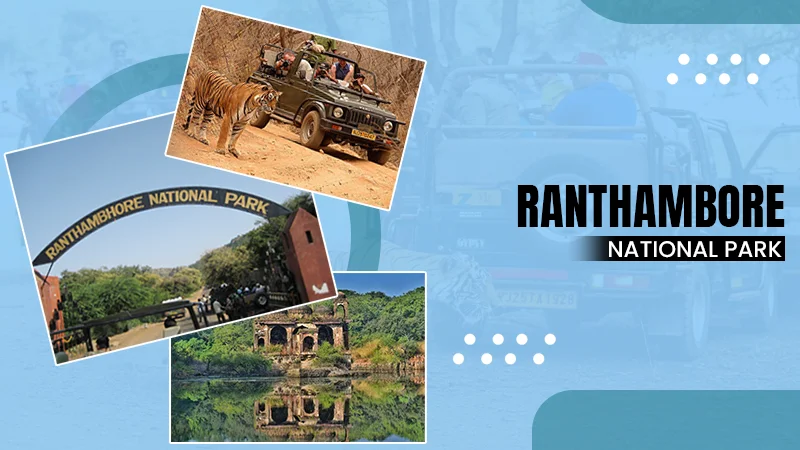
Ranthambore National Park: At a Glance
Have a quick overview of the Ranthambhore National Park before rushing here
| Specifications | Information |
| Location | Sawai Madhopur, Rajasthan, India |
| Best Known For | Bengal tigers and wildlife safaris |
| Terrain | Grassland, lakes & dry deciduous forest |
| Sightseeings | Magnificent Ranthambore Fort |
| Fauna Found | Royal Bengal Tigers, leopards, sloth bears, sambar, chital, nilgai, crocodiles and more |
| Birds Found | Many resident birds along with some migratory bird species |
| Best Time to Visit | October to June |
| Perfect for Wildlife Safaris | From April to June, offering greater Opportunities to explore |
| Activities To do | Jeep and canter wildlife safaris |
| Best Experience | Wildlife photography, including tiger spotting and exploring the fort |
| Amazing Features | Perfect blend of wildlife, lakes and a historic hill fort |
About Ranthambore National Park

Ranthambore National Park, located near Sawai Madhopur in Rajasthan, India, is well known for its Bengal tigers. However, there is so much more to learn and experience here, including ancient ruins, lakes, beautiful landscapes, crocodiles lying on the beaches, deer, leopards, and hundreds of bird species. The park is located at the intersection point of the Aravalli and Vindhya chains of mountains, creating a rocky hill area, which is surrounded by meadows, lakes, and dry deciduous forests.
Ranthambore is home to a very distinctive geographical feature, which is obviously different from the common perception of traditional majestic jungles of India.
Here, steep hills with marvelous cliffs surround big patches of open grassland. Old banyan trees are encountered near water bodies, while crooked trees grow along lake shores and in forest paths. Stony ridges provide a way of seeing nature via unimaginable views, while the dry deciduous forests differ considerably from season to season.
History Of the Park
Ranthambore is not just a forest; it’s a story. Once it was the exclusive hunting grounds of the Maharajas of Jaipur; this area is full of ruins dating back to the 10th century and ancient banyan trees, as well as the grand Ranthambore Fort. The Ranthambore Fort is a UNESCO World Heritage Site that can be seen overlooking the whole park.
Built by Raja Chauhan, this fort is a 10th-century citadel and is included by UNESCO in the list of the Hill Forts of Rajasthan as a World Heritage Site.
Geography
Ranthambore National Park is located in the southwestern part of Rajasthan, in the Sawai Madhopur district of India. This area is known for the unique geographical combination of the two hill ranges, the Aravallis and Vindhyas.
The landscape in this national park is composed of high valley lands, rocky terrain and forest areas. The vegetation in this park differs from that in tropical rainforests; Ranthambore offers visitors enough chances to watch the wildlife and enjoy flora and fauna found here seamlessly.
One of the key features of this park lies in the presence of numerous lakes and waterholes. During the dry season, these water bodies attract plenty of animals that come to drink.
Ranthambore Safari: Where Every Turn Keeps You Thrilled

A Ranthambore jungle safari comprises so much more than just animal watching; it’s an exploration of the unknown realm of the jungle.
As the open safari vehicle makes its way through the forest, every sound becomes important. The chital may make a sudden call, telling you that some predator is nearby, or fresh pugmarks may indicate that a tiger has just crossed the track. If you are lucky, you may even see the well-known stripes of a Bengal tiger.
However, even when there are no tigers to be found in any one trip, Ranthambore offers enough opportunities to come across sloth bears, leopards, hyenas, jackals, nilgai, sambar deer, langurs, crocodiles and plenty of birds without question.
A safari ride remains unforgettable since jeep safaris start from dawn when the fog still hovers around the forest, the engine is humming gently, and at the same time the guide raises a hand signaling pugmarks ahead. The silence suddenly reigns among people when they all lean closer.
Ranthambore consists of several safari zones of its own nature: some containing lakes and ruins, others being full of forests and excitement. Whatever you pick relies on your preference: a jeep safari (Gypsies) if you want more freedom in your journey or a canter safari to travel in a group; every moment will provide you with different impressions.
Jeep Safari
An undertaking of an exhilarating Jeep Safari in Ranthambore National Park can add a real twist to your visit to the park. Jeep safaris, usually conducted in open and exposed 6-seater vehicles called gypsies, allow for greater manoeuvrability and give visitors a chance to enjoy unimpeded views of the surrounding landscape. Smaller-sized vehicles provide better access to narrow forest paths and trails, creating a more intense wildlife experience. Safaris will allow you to see Bengal tigers, leopards, sloth bears, sambars, chitals, nilgais, crocodiles and a large number of birds. A Jeep Safari is more appealing to most wildlife photographers and eager tourists desires to explore more. However, there is no guarantee that you will succeed in viewing tigers in their natural habitat.
Canter Safari
A Canter Safari is a convenient way to visit Ranthambore, especially if you are travelling in a larger group. The safari is done in an open-air canter that can accommodate around 20 passengers. The safari follows specified tracks in the national park. While the canter is bigger than a jeep, it has ample space for everybody and allows for excellent views of the forests, grasslands and lakes. Canter safaris are very popular among travelers, groups and families looking for an economical safari. The experience is similar to a jeep safari with the possibility to see animals like tigers, deer, crocodiles, birds, etc while the changing landscapes of Ranthambore add thrill to it all.
Popular Flora Found at Ranthambhore
Ranthambore National Park is a magnificent wildlife reserve and one of the most qualified places to see animals in their natural environment in Rajasthan. Dry deciduous jungle, grassland, rocky hills and water bodies create an impressive presence of mammals, reptiles and birds in Ranthambore. You can watch various species of animals creating an important ecosystem that makes every safari an adventurous experience of wildlife encounters.
Royal Bengal Tiger
One of the greatest attractions of Ranthambore National Park is Bengal Tiger, which is the main reason why tourists choose to visit the park. Tigers in this park can be found in open forests, near lakes, and in grassland areas.
Leopard
The Indian leopard ranks amongst the most significant predators inhabiting the region of Ranthambore. They are more difficult to observe compared to tigers. Unlike tigers, leopards often prefer rocky places and hilly forest areas. They usually stay solitary and are masters of camouflage.
Sloth Bear
The sloth bear is one of the most interesting animals of the dry deciduous forests of this region. With its thick black coat, the sloth bear has long claws and a white face. Normally, these animals are active at night, although visitors might spot them during the day while exploring the national park.
Sambar Deer
Among the biggest deer in India, Sambar is an important prey for tigers. Sambar can be seen near the lakes, grasslands, and forests in Ranthambore. They warn people when predators are near.
Mugger Crocodile
People can often see Mugger on the banks of Ranthambore’s lakes and water bodies. These reptiles spend their time lying in the sun and resting at the water’s edge.
Hanuman Langur
The Hanuman langur is a common animal in Ranthambore forests. The long-tailed monkeys can often be seen perched on a tree or a rock or along a safari path. Their sound signals and sudden movement alert others to the presence of predators.
Popular Flora Found at Ranthambhore
The flora of Ranthambore is adapted to the conditions of heat, dryness, and seasonal rainfall of the area. Consisting of dry deciduous forests, open grasslands, bush and thorny vegetation, it creates a diversity of habitats for animals. Some specific trees found here are Dhok, banyan, babul, neem, ber and khaer. These trees and grasses give the animals, birds and insects food, shelter and nesting sites.
Dhok Tree
The Dhok tree is the leading tree species in Ranthambore National Park. It can be seen making a sizable contribution to the dry deciduous forest of Ranthambore. It is adapted to the hot and dry weather of the combination making it possible for animal and plant species to survive in the area.
Banyan Tree
The Banyan tree makes an essential part of the landscape of Ranthambore due to its extensive canopy and hanging roots. It offers shade and protection against predators to birds, monkeys, and other creatures. Besides, fruits produced by the tree are an important source of food for wildlife.
Neem Tree
The Neem tree is found in many parts of Ranthambore and can survive well in dry land. The leaves of the tree and its flowers play a great role in the ecosystem by providing survival chances to insects and many other species.
Nearby Attractions to Visit
You can combine your Ranthambhore National Park trip with other nearby attractions, which are given below
Ranthambore Fort
One of the major historical sites close to the national park is Ranthambore Fort. The fort, located on a hill in the picturesque Ranthambore setting, is known for its huge stone walls, ancient gates, temples, and magnificent views, and is surrounded by forest, making it more satisfying to visit.
Trinetra Ganesh Temple
Trinetra Ganesh Temple is within the premises of Ranthambore Fort, dedicated to lord Ganesha. It is one of the oldest temples in the area and has many worshippers visiting here throughout the year. The temple is also famous for the custom of giving wedding invitations or any ceremonious letter to Ganesh.
Padam Talao
Padam Talao is the biggest lake in Ranthambore National Park, surrounded by lovely forest scenery. It is a significant water resource for the wildlife and is famous for the beautiful Jogi Mahal situated at the bank of the lake, where you can also see crocodiles, deer, and several birds.
Malik Talao
Another lake that is not too big but crucial in the park is Malik Talao, known for the variety and quantity of birds. A crocodile, kingfishers, storks, herons, and other aquatic birds can be spotted around the lake. Its calm and comfortable environment is a good reason to pay this place a visit during a wildlife safari.
Surwal Lake
Located near Sawai Madhopur, Surwal Lake is a seasonal wetland with lots of birds residing here. During the rainy season, the beauty of the lake reaches its peak, and a lot of bird lovers and photographers come here to capture beautiful shots.
Rajiv Gandhi Regional Museum of Natural History
Rajiv Gandhi Regional Museum of Natural History is found in Sawai Madhopur. The museum has been set up for educational purposes to make visitors aware of the peculiarities of biodiversity, wildlife, and natural ecosystems. This museum can be a good addition to your visit to Ranthambore, especially for families with children.
How to Get to Ranthambore National Park
Ranthambore National Park is situated in the region of Sawai Madhopur in Rajasthan and is quite accessible from the main cities in Rajasthan
By Air
The closest airport to Sawai Madhopur is Jaipur International Airport, located around 180 km away. Visitors can hire a taxi or take a railway journey after reaching Jaipur to arrive at Sawai Madhopur. Depending on the itinerary, the visitors may also explore other local airports, but Jaipur usually gives them the best connectivity in air travel.
By Train
Sawai Madhopur Railway Station is the nearest and easiest railway station to reach Ranthambore. It connects destinations like Delhi, Jaipur, Mumbai, Kota, etc., with regular train services. The visitors need to hire a taxi or use community transportation services from the railway station to the accommodation, safari booking places, and entry points in Ranthambore.
By Road
Ranthambore is connected by road to Jaipur, Delhi, Kota and more cities in the area. Tourists can drive to Sawai Madhopur by private vehicles, taxis or buses and reach the accommodation in the vicinity of the national park.
Best Time to Go
According to tourism authorities in Rajasthan, Ranthambore’s tourist season typically runs from October to June.
The period between October and March suits visitors best if they prefer cooler weather and good safari conditions. It is also a great season to enjoy the landscape without suffering from intense heat.
- October to June: Best time to visit when the park runs safaris
- November to February: Experience the cool, nice weather, which is the best time for a safari
- April to June — It is very hot, and tiger sightings thrive as animals gather around water sources
- July to September — The park is not open due to the monsoon period
Final Verdict
If palaces in Rajasthan narrate tales of royalty, Ranthambore tells another tale: the tale of wild India. Ranthambore is not just a national park; it is an excellent example of the evolution of nature. It is a thrilling experience of being silenced by an announcement, of a tiger glowing in a ray of sun, and a crumbling fort that loses its majesty. You visit some places. In Ranthambore, however, you live through quite an experience. So do not forget your binoculars and camera to capture unforgettable memories.
So, grab your camera and keep some patience to explore the jungle.