- Chhatarpur Mandir: At a Glance
- About Chhatarpur Mandir
- History of Chhatarpur Mandir
- Architecture of Chhatarpur Mandir
- Chhatarpur Mandir Timings
- Chhatarpur Mandir Entry Fee
- Best Time to Visit Chhatarpur Mandir
- Things to See Inside Chhatarpur Mandir
- Festivals Celebrated at Chhatarpur Mandir
- How to Reach Chhatarpur Mandir
- Nearest Metro Station to Chhatarpur Mandir
- Travel Tips for Visitors
- Nearby Places to Visit
- Why You Should Visit Chhatarpur Mandir
- Wrap Up
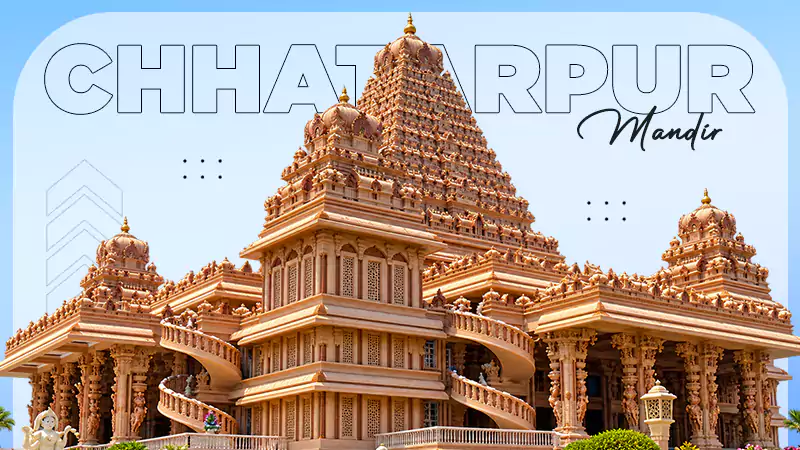
Situated amidst the greenery and peace of South Delhi, Chhatarpur Mandir lies. It is a huge enough temple considered a small city on its own. The white marble dome that seems to reach up into the sky, elaborate jaali screens that let the golden rays of the afternoon sun stream in, and the beautiful smell of incense being carried indoors by the flowing wind in the courtyards.
It is the most famous and largest shrine of Shri Adhya Katyayani Shakti Peeth, and is located in the Chhatarpur locality of South Delhi. Millions of devotees visit here every year to worship Goddess Katyayani, who is the sixth form of Goddess Durga.
Chhatarpur Mandir: At a Glance
Let’s have a look at the basic information about Chhatarpur Mandir
| Facts | Spesification |
| Formal Name | Shri Adhya Katyayani Shakti Peeth Mandir |
| Famous Name | Chhatarpur Mandir |
| Location | Chhatarpur, South Delhi, India |
| Dedicated To | Goddess Katyayani (the sixth form of Goddess Durga) |
| Built By | Baba Sant Nagpal Ji |
| Entry Charge | Free |
| Mandir Darshan Timings | 4:00 AM – 11:00 PM |
| Best Time to Visit | October to March |
| Nearest Metro Station | Chhatarpur Metro Station (Yellow Line) |
| Best Known For | Navratri celebrations, marble architecture, spiritual significance |
| Parking Availability | Yes, with nominal charge and free parking also available in nearby areas |
About Chhatarpur Mandir
Chhatarpur Temple Delhi is one of the most important places for religious purposes and also one of the largest complexes in the entire country. Moreover, it is dedicated to Goddess Katyayani, who is considered the sixth version of Goddess Durga.
Why is Chhatarpur Mandir Famous?
Chhatarpur Mandir has been a well-known religious site for many decades. It is particularly famous for celebrating the Navratris, where thousands of devotees assemble for prayers and other devotional activities, preserving Hindu traditions and providing a good platform for meditation and social work.
Chhatarpur Temple is widely recognized for its splendid white marble architecture, opulent carvings, and exquisite prayer halls. For its spiritual allure and magnificent architecture, the temple is a must-visit. It becomes quite lively during the Navratri festival, marked with many religious ceremonies. Devotees flock throughout the year to the temple to seek blessings regarding health, wealth, and family.
History of Chhatarpur Mandir
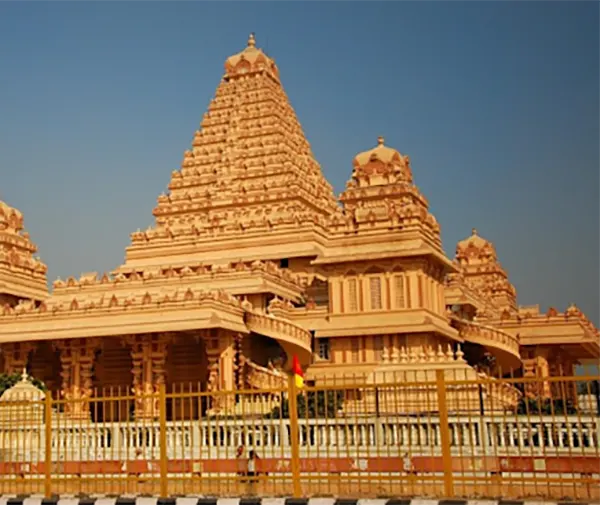
Chhatarpur Mandir history starts with Baba Sant Nagpal Ji, the seer who envisioned this temple complex in the 1970s. It is a beautiful mixture of ancient North Indian temple architecture with contemporary construction, making it both architecturally stunning and spiritually enriching.
Who Built Chhatarpur Mandir?
Built in the year 1974 by the famous saint Baba Sant Nagpal Ji, the temple is dedicated to Goddess Durga and occupies a total of 70 acres of land. Over the years, the temple developed from a small shrine into a large campus consisting of many temples dedicated to different deities, including Rama, Ganesha, Hanuman, and Shiva, surrounding the main sanctum of Maa Katyayani.
The premise is known to provide a soothing spiritual ambience in spite of being in the highly active capital city. During the period of Navratri, Chhatarpur Mandir becomes a major pilgrimage site of Delhi.
Interestingly enough, the temple is located near the Northern Aravalli leopard wildlife corridor, which is a biodiversity region joining the Sariska Tiger Reserve, thereby giving evidence of the fact that this spiritual place is also a part of the natural ecosystem of Delhi.
Architecture of Chhatarpur Mandir
Chhatarpur Mandir architecture is well-known for its unique features that merge the two temple types: North Indian and South Indian temples. The main building of the temple is built of white marble, which grabs attention and makes it one of the most impressive temples in Delhi.
South Indian and North Indian Architectural Styles
The temple is the perfect blend of various construction styles, traced from the carvings on its pillars, walls, and ceilings. It is a well-planned temple consisting of many small temples, yards, and various paths for comfortable walking around the facility.
One of the highlights of Chhatarpur Mandir is the magnificent prayer halls that can accommodate several thousand devotees during festivals and religious congregations. The large halls are supported by intricately carved pillars and embellished with symbols of devotion.
The surroundings of Chhatarpur Mandir are lush, filled with beautiful flower gardens and open areas that contribute to the meditational ambiance. The entry is through the grand gate with traditional ornamentation influenced by classical temple architecture, adorned with decorative motifs that impart a religious vibe for the visitors. The combination of the beauty of the marble, the precision of the decoration, and peaceful landscaping makes Chhatarpur Mandir a wonderful pilgrimage site.
Chhatarpur Mandir Timings
Usually, Chhatarpur Mandir is open to devotees all day from 4 AM to 11 PM. Knowing the temple darshan timings will be very helpful for visitors to plan their trip.
- Morning darshan timings: from 4 AM to 11 PM
- Evening darshan timings: from 4 PM TO 11 PM
- During Navratri: It opens earlier as 4 AM and closes late by 11.30 PM.
- Best hours to visit to avoid crowds: between 6 AM and 8 AM and 1 PM to 4 PM.
Chhatarpur Mandir Entry Fee
Chhatarpur Mandir entry fee, is nothing, as it doesn’t charge anything from devotees or visitors. Visiting the temple and witnessing the rituals is entirely free. Parking facilities are offered at the temple premises and may involve charges based on the kind of vehicle and parking area. Devotees may also make optional donations towards the upkeep of the temple, religious activities, and charity carried on by the temple trust.
Best Time to Visit Chhatarpur Mandir
One of the best times to go to Chhatarpur Mandir is between the months of October and March, when the weather in Delhi is such that sightseeing becomes enjoyable and comfortable.
During Navratri
Navratri is the most auspicious time in Chhatarpur Mandir, when the entire temple is decorated with decorative lights and flowers. Various types of puja are organized during this time to create devotion in the minds of the people. Thus, a huge number of devotees visit Chhatarpur Mandir during this time.
Winter Season
The winter months (from November to February) are the ideal time to contemplate the vast temple complex, the gardens, and the surrounding shrines without suffering the sweltering heat of Delhi’s summers.
Weekdays or Weekends
If one wants to experience peaceful darshan, weekdays are advisable, especially mornings from Monday to Thursday. The weekends, Tuesdays, Fridays, and the days of festivals are usually crowded, which can cause longer waiting times for darshan and parking.
Things to See Inside Chhatarpur Mandir
Chhatarpur Mandir is not a single shrine, but a huge complex that consists of many temples, open spaces, and quiet meditation areas. Therefore, a visitor can easily spend quite some time exploring this temple’s religious importance and architectural interest.
Temple of Goddess Katyayani
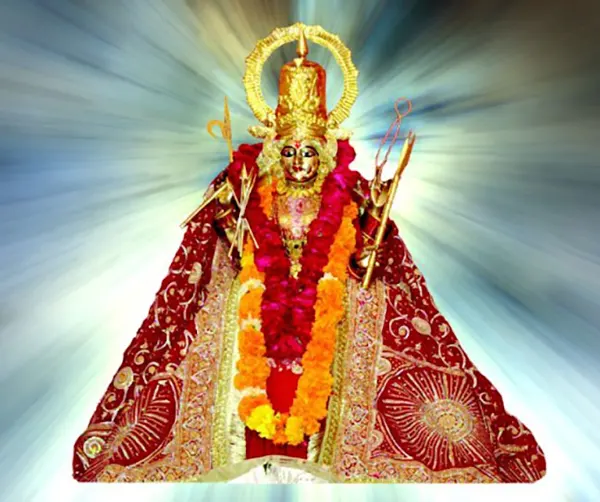
The temple of Goddess Katyayani is the most important shrine in the complex, where devotees come to offer flowers or coconuts and pray to receive strength, protection, and prosperity. The sanctum of the temple is richly decorated and colored during Navratri.
Temple of Shiva
The temple of Shiva consists of a holy Shivling and attracts numerous devotees who practice traditional abhishek rites and bring milk, water, and bel
Shrine of Lord Hanuman
All followers visit the shrine of Lord Hanuman to seek courage and get rid of troubles. The chanting of Hanuman Chalisa is popular here, especially on Tuesdays and Saturdays.
Temple of Lord Ganesha
Before visiting the other temples, the Temple of Lord Ganesha is visited since he removes obstacles and blesses devotees with wisdom and success.
Holy Peepal Tree
Another notable feature of the temple is the Holy Peepal Tree. Devotees tie threads to the tree and pray for good health and happiness, and the well-being of their families.
Marble Courtyards
The temple has Marble Courtyards, sprawling, well-maintained, and decorated with carvings, which are ideal for peace and photography.
Meditation Areas
There are Meditation areas that provide a quiet environment to the visitors for worshipping and meditate in peace away from the bustling surroundings of the city.
Festivals Celebrated at Chhatarpur Mandir
Chhatarpur Mandir is known for its exuberant celebrations of major Hindu festivals, attracting thousands of worshippers from Delhi and neighbouring states.
Navratri
The temple is decorated with flowers and lights, hosting specific aarti, bhajan, and kirtan programs, all of which bring in very big crowds during the festival
Durga Puja
The shrine is adorned with flowers and intensely lit, hosting Durga aarti and performances that draw hundreds of visitors in the evening hours.
Maha Shivratri
In Shiva temples, bel leaves and lamps are laid, which contribute to the attractiveness of Rudrabhishek conducted together with all-night-long bhajan singing.
Janmashtami
Colorful decorations, midnight aarti ceremony, and various songs create a great festive atmosphere when the number of visitors reaches its maximum.
Diwali
Temple lighting consists of diyas, lamps, and decorative lighting. Lakshmi-Ganesh puja and evening prayers bring large crowds.
Ram Navami
Marigold garlands and saffron decorations are used at the ceremony along with Ramayana recitation, bhajan singing, and performing specific aarti, attracting moderate to large crowds.
How to Reach Chhatarpur Mandir
Chhatarpur Temple Delhi can be reached from any part of Delhi easily due to the connection through metro, road, and public transport.
By Metro
The best way to reach is to use Delhi Metro Yellow Line. The station at Chhatarpur is just a km away from the temple complex, which can be reached by walking down the distance of 10-15 minutes. Auto-rickshaws and e-rickshaws are available outside the station from where people can get a taxi till the temple gate.
By Car
People using their own vehicle to the temple can take the way through MG Road (Mehrauli–Gurgaon Road). Parking is available near the temple but may get congested on weekends and festivals.
By Bus
Several DTC buses run on the Mehrauli–Chhatarpur route that stop nearby the temple. Local buses from Connaught Place/AIIMS/Saket/Gurgaon are also connected.
By Cab
Ola and Uber cab services operate throughout the city and take people directly to the temple entrance.
From Indira Gandhi International Airport
Chhatarpur Mandir is around 12-14 km away from the Indira Gandhi International Airport. In this case, it takes about 25-40 minutes in a taxi or cab depending on traffic. Alternatively, it is also possible to take the metro using the Airport Express and Yellow Line
Nearest Metro Station to Chhatarpur Mandir
Let’s have a look at Chhatarpur Mandir nearest metro station
- Chhatarpur Metro Station: (Yellow Line) – This is the closest metro station to the temple and is about 1 km from it. It is highly recommended for all travellers visiting the temple, you can check on the Delhi Metro map
- Sultanpur Metro Station (Yellow Line) – Located at 2 km; it is ideal to choose this station when coming from the Gurgaon side.
- Qutub Minar Metro Station (Yellow Line) – Situated at around 3 km, making it accessible from Central and Northern parts of Delhi.
- Saket Metro Station (Yellow Line) – Located at about 5 km and is ideal for people living in Saket, Malviya Nagar, or other parts of South Delhi.
Travel Tips for Visitors
- Dress appropriately and wear comfortable clothing suitable for a place of worship.
- When entering the main temple and shrine areas, be sure to remove all footwear.
- The best time to visit is at dawn if you want to enjoy the temple experience in peace.
- Be polite while at the temple, maintain silence, follow sanitary practices, and behave respectfully around the place.
- Take some cash with you to make donations or buy small items around the temple.
- Turn off your mobile phone so as not to disturb those who are praying.
- For relaxation, avoid visiting the temple during busy times, especially during Navratri and Diwali and on Tuesdays and Fridays.
- Drink plenty of water in summer as the complex is huge and involves a lot of walking.
Nearby Places to Visit
Whenever you visit Chhatarpur Temple Delhi, keep in mind that you can combine your trip with visiting other places of interest located in South Delhi.
Qutub Minar
Qutub Minar is a UNESCO-recognized heritage site located around 5 kilometers away from the temple, owing to its 73-meter-tall minaret as well as other ancient ruins of architectural interest.
Mehrauli Archaeological Park
Mehrauli Archaeological Park is located close to Qutub Minar and boasts of historic ‘tombs’, wells, mosques and monuments in a huge green area, suitable for history lovers.
Garden of Five Senses
Garden of five Senses is located near the temple and about 4 kilometers away, this park has scenic walking trails, fountains and sculptures.
Ahinsa Sthal
Ahinsa Sthal is a famous Jain place known for its large statue of Mahavir and quiet natural beauty.
Hauz Khas Village
Located around 8 kilometers away, Hauz Khas Village is a lively mix of medieval ruins, the scenic Hauz Khas Lake, and the historic Hauz Khas Fort, along with charming cafes and shops. The area remains busy throughout the day and into the night, making it a popular destination for visitors.
DLF Promenade Mall
The DLF Promenade Mall is situated in Vasant Kunj and is a popular shopping and entertainment destination for tourists.
Why You Should Visit Chhatarpur Mandir
- Searching for spirituality: Find tranquility in a holy and spiritual setting created for Goddess Katyayani.
- Families: Take advantage of a large, clean, and orderly temple complex appropriate for tourists of all ages.
- Architecture enthusiasts: Marvel at the remarkable white marble structure, intricate carvings, and majestic doors.
- Photographers: Take beautiful photographs of marble courtyards, gardens, temple spires, and festive decorations.
- Devotees: Make a pilgrimage to an important location in Shakti worship that is traditionally significant during the Navratri holiday.
- Cultural tourists: Discover the unique mix of Delhi’s religious traditions, devotional music, rites, and festivities.
- Festival lovers: Observe aarti ceremonies, bhajan events, floral arrangements, and cultural celebrations throughout the year.
Is Chhatarpur Mandir accessible daily?
Yes, Chhatarpur Mandir is open every day.
What are the visiting hours for Chhatarpur Mandir?
Typically, visitors can visit the temple from 4:00 AM in the morning till 11:00 PM in the night.
Do I need to pay a fee to visit Chhatarpur Mandir?
There is no charge for entry or visiting the temple.
Which is the nearest metro station to Chhatarpur Mandir?
Chhatarpur Metro Station, which is on Yellow Line, is the closest to the temple just around 1 km away.
What is the average duration of the visit?
Visitors typically take around 1–2 hours to visit the temple.
Is photography permitted inside the temple?
Visitors are generally allowed to take pictures of the outer areas of the temple.
When is the best time to visit Chhatarpur Mandir?
October to March is the best season for visiting the temple upon planning a visit early morning on weekdays for a peaceful visit.
Is it crowded during Navratri?
Yes, there is a lot of rush during Navratri so, one should not expect a calm visit and must deal with a lot of rush and lines.
Wrap Up
Chhatarpur Mandir is among Delhi’s most notable religious places that combines devotion, architecture, and serenity beautifully. The grand goddess Katyayani temple, white colored marble structures, peaceful gardens, and colorful celebrations make a great tourist attraction for all types of visitors. Free entry, good metro connectivity, and a calm environment make the temple very appealing to families, people seeking spirituality, photographers, and cultural tourists. Be it a visit during Navratri celebrations or on a peaceful weekday morning, Chhatarpur Mandir pays a significant visit and experience to spiritual enthusiasts visiting Delhi.