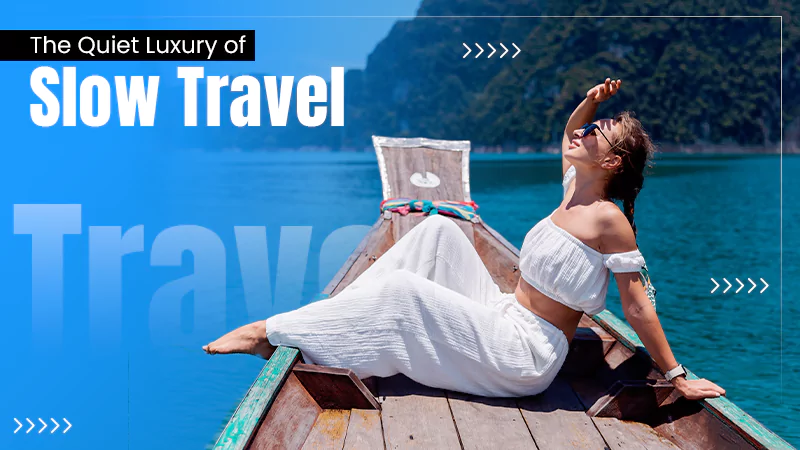
Today, luxury travel might be one that asks you to do absolutely nothing. That sounds counterintuitive in an age of bucket lists, viral itineraries, and “10 cities in 10 days” European tours. But travelers are increasingly showing a preference for something slower: more time in one place, fewer transfers, and experiences that feel less like sightseeing and more like actually living somewhere.
In fact, 91% of travelers are seeking getaways centered around reading, relaxation, and quality time with loved ones in 2026.
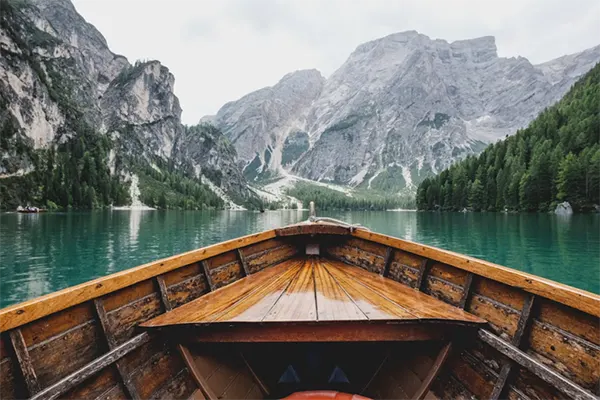
Slow travel isn’t simply taking a longer vacation. It’s changing the way you measure a good trip. Instead of asking, “How many places can I see?”, slow travelers ask, “How deeply can I experience this one?”
That’s spending a week on one island instead of hopping between five, returning to the same neighborhood café every morning, taking a cooking class with a local, or leaving an entire afternoon with no plans at all. In other words, unhurried journeys turn time itself into a luxury.
Here’s why fewer stops can lead to better trips, and how to plan a slow vacation without feeling like you’re missing out.
Why Slow Travel Is Suddenly Everywhere
Slow travel isn’t a niche fad anymore. It’s mainstream.
New studies reveal that 91% of travellers want slow travel in 2026. That is insane… and it’s not even a forecast. Actual booking data supports this trend.
Visa tracked card spending in 203 nations. They found that globetrotters from 70% of countries spent more time on average per trip in 2023 than in 2019. It’s not just lip service; people are demanding slower journeys and actually traveling slower.
Why the change?
- Burnout exists. The world is hectic. Vacations should be the remedy to that problem, not contribute to it.
- Remote jobs created opportunity. Allowed individuals to stay somewhere for 3 weeks vs 3 days.
- Experiences beat sightseeing. 73% prioritise authentic cultural experiences over hurried tourist stops.
Slow travel lends itself especially well to private island tours. After all, they’re one of the most exclusive vacations you can book. Tahiti Island Tours creates private island outings that focus on giving travellers the space to experience an island intimately. Tour operators like this are ensuring their guests can actually experience a destination rather than simply checking it off their travel bucket list.
The Real Cost Of Fast Travel
Ever come back from a vacation more exhausted than when you left?
That’s rapid transit for you. If you pack 5 cities, 12 landmarks, and 3 flights into one week, you spend most of your “vacation” traveling. Nothing is experienced fully. Sleep is minimal. You end up back home drained, needing a vacation to recover from your vacation.
Fast travel has some real costs:
- Mental fatigue — constant transitions drain your energy fast
- Superficial experiences — no time to actually connect with a place
- Higher stress — packed itineraries create pressure, not relaxation
- More expensive — transport, transfers, and short stays add up quickly
Travellers who stay longer in destinations and spend less time moving around feel greater psychological wellbeing and lower stress levels.
Turns out, doing less genuinely feels better.
PRO TIP
Monthly accommodation rates run 30 to 50% below the same property booked night by night.
Why Private Island Tours Fit Slow Travel Perfectly
Secluded sanctuary excursions are unhurried journeys at their deepest.
Think about it…
On a private island, you don’t have to rush to catch the next train. You won’t wait in line for a museum. Cutting airport security lines is a given. The idea is to take things slow.
Private island tours tick every slow travel box:
- Fewer stops (usually just one or two islands)
- Longer stays (multi-day or multi-week itineraries)
- Deep bond to local culture and nature
- No crowds. No noise. No rushing.
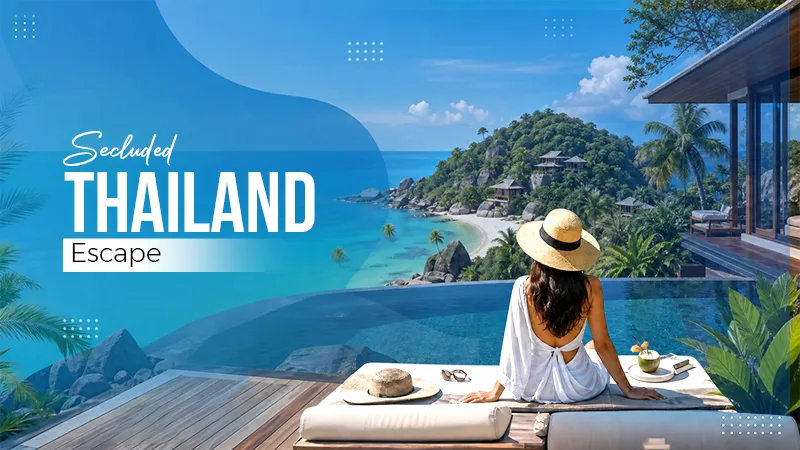
Which is why destinations like French Polynesia have become such a destination darling for slow tourists. Everything about the islands caters to it — overwater bungalows, private guides, and a pace that suits your whim rather than that of a tour bus.
A single week spent on a private island will tell you more about a place than a month of sightseeing.
How To Build A Slow Trip That Works
Keen to plan a proper slow trip? Here’s the framework…
Pick One Region — Not Ten
Most people’s first mistake is trying to see too much. Don’t. Choose one area and dive deep. Switch “Europe in 14 days” for “Southern Italy in 14 days.” See more, spend less, and have more fun.
Stay At Least 4 Nights Per Location
Less than 4 nights is merely sort of “thereing.” Stay at least 4 nights, so you have time to unwind and explore.
Leave Space In The Itinerary
The finest slow trips have free days penciled in. Days without plans. Without reservations. Blank canvases to wander, lounge, or pursue whatever inspires you that day.
Choose Accommodation That Encourages Staying
Poor hotels want you to check out and get back on the street. Villas, guesthouses, private island resorts encourage you to stay awhile. Choose accommodations where kicking back all afternoon on the balcony is the plan.
Tips For Getting The Most Out Of Fewer Stops
Region selected. Longer stays booked. What now?
Here’s how to really milk a slow trip for everything it’s worth:
- Dine where the locals dine. Avoid tourist traps. Question your host or cab driver about where they go on their day off.
- Learn some basic phrases in the local language. Nothing opens doors like being able to greet, even if your main language is assisted by a translation app.
- Sign up for a class or workshop. Cooking, scuba diving, weaving, whatever. Experiences that teach you a skill will create memories you’ll remember.
- Take morning strolls. Be agenda-less. Wander. That’s how you discover great bakeries and secret hideaways.
- Put the phone down. Documenting everything makes slowing down impossible. Simply…exist.
One more thing most people forget…
Slow travel is addictive. After experiencing slow travel, hurried trips seem absurd. Most tourists who experience unhurried journeys just once won’t travel any other way.
Bringing It All Together
Slow travel is more than a trend. It’s a smarter way to travel.
Fewer stops. Longer stays. Better travels. That’s the whole formula.
When travel stops being a checklist and starts being a proper experience, everything shifts:
- You come home relaxed instead of wrecked
- You remember more of the trip
- You spend less on transfers and short stays
- You truly connect with the places you visit
Whether it’s the secluded island in the Pacific, the Tuscan village, or a farmhouse in Provence… it doesn’t matter:
Choose a place. Stay a while. Let it get under your skin.
That’s where the real luxury lives.
What is slow travel?
It’s an approach to exploring that prioritizes fewer destinations, longer stays, and deeper experiences over visiting as many places as possible.
How long should you stay in one place for slow travel?
There is no fixed rule, but staying at least four nights gives you considerably more time to settle in and explore without constantly packing and unpacking.
Is slow travel more expensive than traditional travel?
No. Longer stays can reduce spending on flights, transfers, and repeated check-ins, although premium accommodation and experiences can increase the overall cost.